

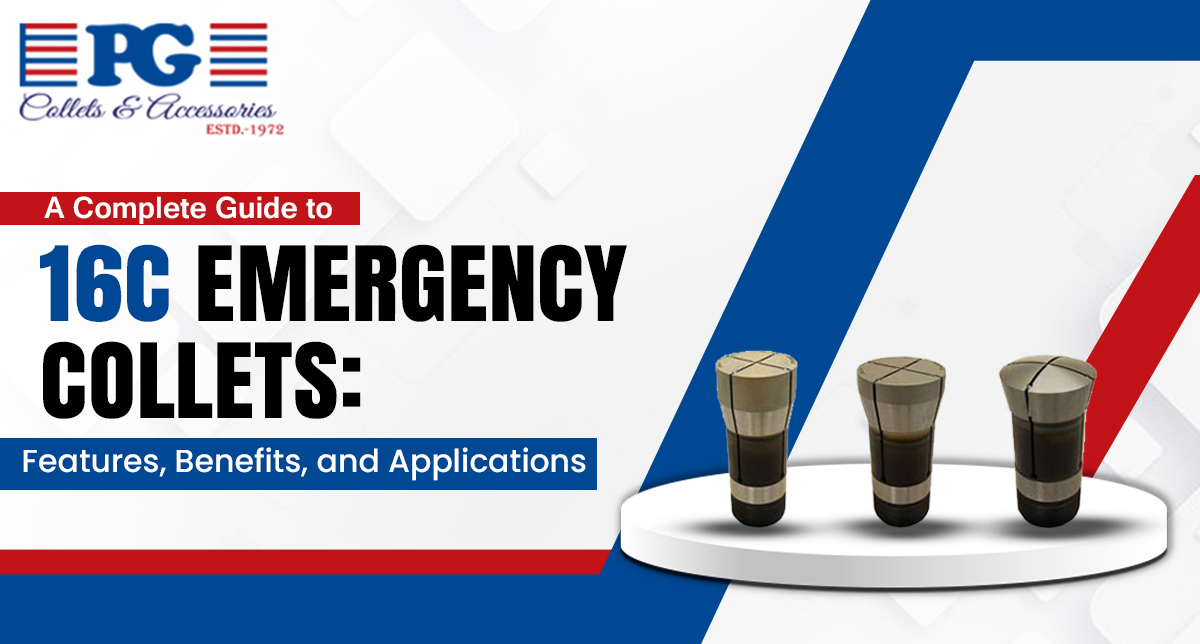
A Complete Guide to 16C Emergency Collets: Features, Benefits, and Applications

Precision machining relies heavily on the right tooling, and among the most essential components in this process are collets. They ensure secure workpiece holding, consistent accuracy, and smooth machining operations. While standard collets work for fixed parameters, many industries face situations where they need custom gripping capabilities. This is where the 16C Emergency Collets proves its value. Designed for flexibility and rapid customization, it has become a preferred choice for machinists who handle diverse or irregular workpieces.

This guide explores the features, benefits, and applications of the 16C Emergency Collet, helping you understand why it is such a valuable tool in modern machine shops. Manufacturers like PG Collets continue to enhance the usability and precision of these collets, making them reliable for demanding environments.

Understanding the 16C Emergency Collets

Collets are workholding devices used in lathes, CNC turning centers, and grinders. The 16C Emergency Collets belongs to the widely used 16C series, known for its large gripping range, rigidity, and compatibility with industrial machines. However, what sets the emergency version apart is its machinability. Unlike standard 16C collets—which come pre-sized—the emergency version has a machinable face, allowing operators to bore or shape the inside to match specific workpiece requirements.

This flexibility reduces downtime and eliminates the need to buy multiple custom collets. When workpieces vary frequently in size or profile, an emergency collet becomes an economical and practical solution.

Key Features of the 16C Emergency Collets

1. Machinable Front for Customization

The most important feature is the soft machinable face. Machinists can bore the collet to exact dimensions, ensuring a perfect fit for any custom diameter. This capability is especially valuable when working with short production runs or irregular shapes.

2. Compatibility With Standard 16C Systems

A 16C collet system is commonly found in turning centers due to its strength and reliability. The emergency version fits perfectly into these systems without requiring modifications, making it easy to integrate into existing setups.

3. High Rigidity and Clamping Power

Despite having a machinable face, the collet maintains excellent rigidity. It delivers consistent clamping pressure, ensuring the workpiece stays firmly in place even during heavy cuts or high-speed machining.

4. Availability in Different Materials

Emergency collets are usually offered in:

  • Steel
  • Brass
  • Aluminum

Steel versions provide durability, while brass and aluminum options allow faster machining of the bore. This versatility helps operators choose the right collet based on job requirements.

5. Front and Back Pin Holes

These pin holes help in easy machining alignment. They allow the collet to be centered correctly in a fixture before boring, reducing errors and improving accuracy.

Benefits of Using a 16C Emergency Collets

1. Cost-Effective for Custom Jobs

Purchasing custom-made collets for every unique diameter can be expensive. The emergency version is much more economical since it can be machined repeatedly to suit different needs (within its usable limits).

2. Reduces Lead Time

Instead of waiting for a custom collet to be manufactured and shipped, machinists can bore the emergency collet in-house—saving days or even weeks of downtime.

3. Ideal for Low-Volume or Prototype Work

When machining a part that won’t be repeated often, using a standard collet is impractical. A 16C Emergency Collets is a fast and efficient option for prototypes, specialty components, and one-off jobs.

4. Improved Accuracy

Because the collet is machined to exact dimensions of the specific workpiece, it ensures near-perfect concentricity. This is critical for precision turning applications.

5. Multipurpose Applications

Emergency collets can hold round, square, hex, or irregular shapes, depending on how they are machined. This adaptability makes them valuable in workshops that handle diverse components.

Common Applications of 16C Emergency Collets

1. Custom and Small-Batch Manufacturing

Shops that frequently machine custom parts rely on emergency collets due to their versatility. They allow seamless transitions from one size or shape to another.

2. CNC Lathes and Turning Centers

Most modern CNC turning systems compatible with 16C collets can use the emergency version for complex setups.

3. Tool and Die Manufacturing

Precision is crucial in this industry. The collet’s ability to be machined to exact tolerances makes it ideal for tight-fitting components.

4. Repair and Maintenance Jobs

When a replacement part is needed urgently, having an emergency collet allows quick adaptation to nonstandard dimensions.

5. Machining of Irregular or Soft Materials

The ability to customize the bore helps in handling delicate materials such as plastics, copper, and soft alloys without damaging the surface.

How to Machine a 16C Emergency Collet Properly

To maximize performance and ensure accuracy, machinists typically follow these steps:

1. Mount the Collet Securely

Install the collet in the spindle or fixture and ensure it is seated properly.

2. Use Alignment Pins

Insert alignment pins into the pre-drilled holes to prevent rotation while machining.

3. Bore to the Required Diameter

Carefully machine the collet opening to the exact size needed. Use slow feeds and sharp tools to ensure a clean cut.

4. Deburr and Clean

Remove all burrs or chips from the machined surface. Any imperfections may affect grip quality.

5. Test Fit the Workpiece

Insert the workpiece and test for concentricity before starting the actual machining operation.

Following these steps helps maintain precision and extends the collet’s lifespan.

Conclusion

The 16C Emergency Collets is a versatile and indispensable tool for shops that require precision, flexibility, and fast turnaround. Whether used for prototypes, small batch work, or irregular shapes, it provides efficient workholding without the cost and delays of custom collets. With reliable performance, customizable features, and compatibility with standard 16C systems, it plays a crucial role in modern machining environments.

Manufacturers like PG Collets continue to support industries with high-quality collet solutions designed for durability and precision. For machinists seeking adaptability without compromising accuracy, the 16C Emergency Collet remains one of the smartest choices.

How to Select the Right R8 Collet Set for Your Milling Machine

Choosing the right tooling is essential for achieving accuracy, productivity, and reliability in any machine shop. When it comes to milling machines—especially Bridgeport-style mills—the R8 collet remains one of the most widely used and dependable workholding options. Its simplicity, rigidity, and ease of use have made it a preferred choice for machinists across industries. However, selecting the right R8 collet set involves more than just picking a size. Factors like material quality, accuracy grade, gripping strength, and compatibility play an important role in overall machining performance.

This guide walks you through everything you need to know to choose the right R8 collet set, helping you make an informed decision that enhances productivity and extends your tooling life. With decades of expertise, manufacturers like PG Collets and top collet manufacturers in India provide high-precision solutions suitable for both professional workshops and industrial applications.

Understanding the R8 Collet System

Before selecting the right collet set, it’s essential to understand what makes the R8 collet unique. Originally developed for Bridgeport milling machines, the R8 collets system uses a tapered shank with a drawbar to secure tooling in place. The design provides excellent alignment, making it ideal for tasks such as drilling, milling, reaming, and light cutting.

Key Advantages of the R8 Collet System

  • Simple installation using a drawbar
  • Strong gripping power for small to medium-size tools
  • Excellent concentricity, leading to smoother cuts
  • Wide availability of sizes and accessories
  • Cost-effective and reliable for general milling

Its versatility is one reason why so many machine shops continue to rely on R8 systems for daily operations.

Factors to Consider When Choosing the Right R8 Collet Set

Selecting an R8 collet involves more than selecting sizes. The following factors will help you determine the right set for your milling machine.

1. Accuracy and Runout Tolerance

One of the most important characteristics of an R8 collet is its runout accuracy. Lower runout means the tool remains more stable, resulting in:

  • Better surface finish
  • Reduced tool wear
  • Longer spindle life
  • Higher precision during fine milling

Professional-grade collets typically offer tighter runout tolerances. High-quality collets from manufacturers like PG Collets are designed to maintain accuracy even during continuous operation.

2. Material Quality

The material used in a collet determines its durability, gripping capability, and resistance to wear.

Common materials include:

  • High-carbon steel: Ideal for general purpose milling
  • Alloy steel: Provides greater strength and endurance
  • Hardened steel: Best for heavy or frequent machining

Premium collets undergo heat treatment to improve hardness and elasticity, ensuring they maintain their gripping power under load.

3. Size Range and Compatibility

R8 collets come in a range of sizes typically from 1/8″ to 3/4″. Before selecting a set, consider the type of tooling you frequently use:

  • End mills
  • Drill bits
  • Reamers
  • Boring bars

A complete set ensures you are ready for multiple operations. The collets must also be compatible with the spindle taper and drawbar threads of your milling machine. Most modern machines adhere to standard R8 specifications, but it’s always wise to verify before buying.

4. Gripping Strength and Stability

The performance of an R8 collet depends heavily on its gripping strength. Weak grip can lead to:

  • Tool slippage
  • Vibration
  • Poor finish
  • Potential tool breakage

Look for collets with precise slotting and uniform compression, ensuring the tool is held firmly and consistently.

5. Ease of Use and Maintenance

A good R8 collet set should be easy to install, remove, and maintain. Consider features like:

  • Smooth internal surface finish
  • Clean slot edges
  • Good spring tension
  • Rust-resistant coatings

Proper maintenance also extends the life of your collets. Regular cleaning, lubrication of the drawbar, and inspection for wear are essential parts of a well-run workshop.

6. Brand Reliability and Manufacturing Standards

When choosing collets, it’s important to trust reputable manufacturers. Companies like PG Collets and top collet manufacturers in India are known for producing precision-engineered collets that follow strict quality control processes.

Look for:

  • ISO-certified manufacturing
  • CNC-machined accuracy
  • Consistent quality across sizes
  • Good customer support and technical guidance

Investing in a quality brand ensures better long-term performance and reduced downtime.

Types of R8 Collet Sets Available

Depending on your workflow, you may need different types of collet sets:

Standard R8 Collet Sets

These include commonly used sizes and are ideal for general milling tasks.

Metric R8 Collet Sets

Useful if your tooling includes metric end mills or drills.

Precision R8 Collet Sets

Designed for tight tolerances and smooth finishing applications.

Specialty R8 Collet Sets

Include custom or less common sizes needed for specific tasks.

Each set caters to different machining needs, making it important to choose one based on the operations you frequently perform.

Common Mistakes to Avoid When Choosing R8 Collets

Even experienced machinists sometimes overlook critical factors. Avoid the following mistakes:

  • Choosing collets based on price alone
  • Using damaged or worn-out collets
  • Ignoring runout tolerance
  • Purchasing incompatible sizes
  • Not considering future tooling requirements

Avoiding these errors improves accuracy and extends tooling life.

Best Practices for Using Your R8 Collet Set

To get maximum performance from your collet set:

  • Always clean the collet and spindle bore before installation
  • Avoid overtightening the drawbar
  • Replace worn collets immediately
  • Use appropriate cutting speeds and feed rates
  • Store collets in a protective case to prevent rust or damage

Consistent care ensures better results and safer machining.

Conclusion

Selecting the right R8 collet set is essential for achieving precision, efficiency, and reliability in milling operations. By considering factors such as accuracy, material quality, gripping strength, and compatibility, machinists can ensure optimal performance from their milling machines. Investing in high-quality collets from trusted manufacturers like PG Collets helps maintain consistency and reduces the chances of machining errors.

Whether you’re handling routine milling tasks or high-precision jobs, the right R8 collet set can significantly improve results and enhance productivity in your workshop.

How Collets Improve Tool Performance and Accuracy in CNC Machines

Precision is the foundation of modern machining. Whether manufacturing automotive components, aerospace parts, or high-accuracy metal pieces, CNC machines must deliver consistent results with minimal deviation. One of the most crucial elements behind this precision is the collets —a small yet powerful tool-holding device that often goes unnoticed but plays a major role in performance and accuracy.

Collets are designed to securely hold cutting tools or workpieces during machining operations. Their ability to deliver outstanding grip, repeatability, and alignment makes them essential in CNC machining setups. From the widely used R8 collet to the versatile 5C collet, and heavy-duty models like 16C collet and 3J collet, each type serves a unique purpose depending on the tool or operation.

Understanding the Role of Collets in CNC Machines

Before exploring the benefits, it’s important to understand what a collet does. A collet is a cylindrical sleeve that forms a collar around a tool or workpiece. When tightened, it clamps evenly around the object, providing a secure and precise hold.

Why Collets Are Used in CNC Machining

  • To grip tools with high concentricity
  • To reduce tool runout
  • To improve machining stability
  • To enhance cutting accuracy
  • To minimize tool vibration

Unlike standard tool holders, collets offer uniform clamping pressure, which directly enhances machining quality.

1. Improved Tool Accuracy and Reduced Runout

One of the biggest factors affecting machining precision is tool runout, which refers to the tool’s deviation from its true rotational axis. Even slight runout can cause:

  • Poor surface finish
  • Uneven cutting
  • Excess tool wear
  • Dimensional inaccuracies

Collets, particularly precision-engineered models like R8 collets and 5C collets, drastically reduce runout by centering the tool with exceptional accuracy. This results in tighter tolerances and more consistent machining.

Why This Matters in CNC Work

When machining high-precision components, even a few microns of error can compromise quality. A reliable collet ensures the tool stays perfectly aligned, allowing CNC machines to achieve the desired accuracy throughout the operation.

2. Enhanced Grip Strength and Stability

Cutting tools face enormous forces during machining. Without a strong grip, tools can slip, vibrate, or shift during cutting—all of which can damage the machine, the tool, and the workpiece.

Collets apply 360-degree clamping pressure, creating a secure and uniform hold. Heavy-duty options such as 16C collets and 3J collets are specifically designed to handle larger tools and more demanding applications.

Benefits of a Strong Tool Hold

  • Better cutting efficiency
  • Reduced vibration
  • Longer tool life
  • Fewer chances of tool pull-out
  • Improved machining safety

A stable tool equals stable cutting, and that directly improves product quality.

3. Better Surface Finish

The smoother the machining process, the better the surface finish of the final part. Collets play an important role here—by minimizing vibration and maintaining firm tool alignment, they ensure the cutting edges engage smoothly.

How Collets Help Improve Surface Quality

  • Reduced chatter
  • Enhanced cutting smoothness
  • More consistent tool paths
  • Clean, polished surface output

Whether using a 5C collet for turning operations or an R8 collet for milling applications, the result is superior finishing with fewer secondary processes required.

4. Increased Tool Life and Reduced Costs

Tools wear out faster when there’s vibration, misalignment, or inconsistent cutting pressure. Since collets provide uniform clamping and minimize runout, they protect tools from uneven cutting loads.

Longer Tool Life Means:

  • Lower replacement costs
  • More reliable machining cycles
  • Better performance over time
  • Reduced downtime

High-quality collets ensure cutting tools operate under optimal conditions, improving durability and consistency.

5. Greater Versatility Across Machining Operations

Different CNC operations—milling, turning, drilling, grinding—require different levels of grip, reach, and tool compatibility. This is why various collet systems exist:

Common Collet Types Used in CNC Machines

  • R8 Collet: Popular in milling machines, offering excellent precision for lighter machining jobs.
  • 5C Collet: Widely used for workholding and tool holding in lathes and grinders.
  • 16C Collet: Designed for heavy-duty applications, offering superior grip for larger diameters.
  • 3J Collet: Ideal for high-strength gripping in industrial turning and chucking operations.

Each type provides unique advantages, making collets essential across multiple machining industries.

6. Fast Tool Changes and Higher Productivity

Time is a crucial factor in machining environments. Collets are known for their quick tool-change capabilities, which helps streamline workflow and reduce downtime.

Productivity Benefits of Using Collets

  • Fast clamping and unclamping
  • Easy tool replacement
  • Minimized machine idle time
  • Improved workflow efficiency

Operators can switch between tools quickly without compromising precision.

7. Consistent Repeatability

In manufacturing, repeatability is as important as accuracy. Whether producing one piece or thousands, results must remain consistent. Collets provide outstanding repeatability due to their self-centering design and tight grip.

Why Repeatability Matters

  • Maintains uniformity in mass production
  • Reduces waste
  • Ensures consistent part quality
  • Supports automated CNC applications

A well-engineered collet setup ensures every machining cycle mirrors the last.

How to Choose the Right Collet for Your CNC Machine

The ideal collet depends on the application, tool size, and machine type. Key factors to consider:

  • Collet material and hardness
  • Clamping range
  • Tool shank diameter
  • Required accuracy
  • Type of machining (light, medium, or heavy)
  • Machine compatibility

Choosing the right collet system directly impacts machining efficiency and long-term performance.

Conclusion

Collets may seem small, but their impact on CNC machining is enormous. From improving accuracy and stability to enhancing tool life and surface finish, they ensure machines operate at peak performance. Whether you’re using an R8 collet for milling, a 5C collet for precision turning, or larger options like 16C collet or 3J collet, the right collet significantly elevates machining quality.

For manufacturers seeking reliable and precision-engineered solutions, PG Collets offers high-quality collet systems designed to meet modern CNC demands with accuracy, durability, and superior performance.