
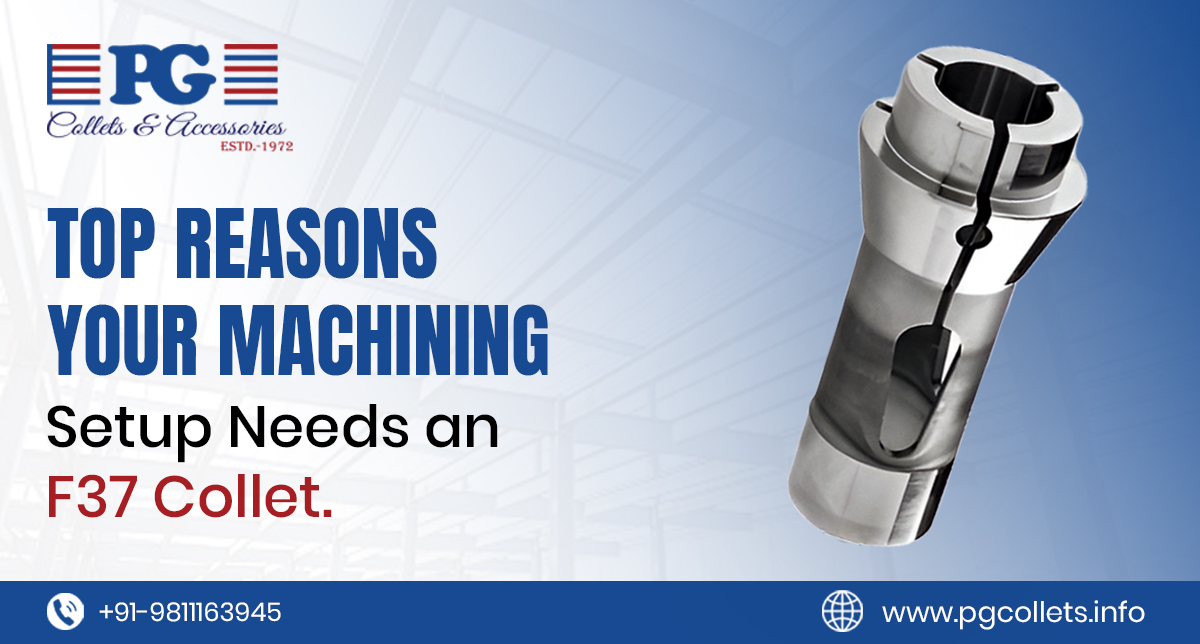
Top Reasons Your Machining Setup Needs an F37 Collet

Introduction: Ek Chhota Upgrade, Bada Impact

Agar aap machining industry mein kaam karte ho, toh aapko pata hoga — precision hi sab kuch hota hai. Ek chhoti si mistake bhi poora batch reject karwa sakti hai. Aur honestly, kaafi baar problem machine mein nahi hoti… setup mein hoti hai.

Yahin par f37 collet game change karta hai.

Socho, aapka setup ek cricket team jaisa hai — machine bat hai, operator player hai, aur collet grip hai. Agar grip hi weak ho, toh shot kaise perfect lagega?

Is blog mein hum simple aur practical tareeke se samjhenge ki kyun f37 collet aapke machining setup ke liye must-have hai — especially agar aap consistency, speed aur cost-saving chahte ho.


1. Superior Grip = Better Precision

Machining ka golden rule:
Jitni strong holding, utni accurate machining.

F37 collet ka biggest advantage hai iska uniform clamping force. Yeh workpiece ko evenly hold karta hai, jisse vibration aur slippage almost eliminate ho jata hai.

Real-life example:
Ek auto parts manufacturer ne apne old collets replace karke f37 collet use kiya. Result:
Rejection rate 18% se girke 5% ho gaya
Finishing quality noticeable improve hui

“Precision doesn’t start at the cutting tool — it starts at the workholding.”
– Industry machining consultant

Aur sach bhi hai — agar base hi stable nahi hai, toh output perfect kaise hoga?


2. Consistency That Builds Trust (Aur Client Retention)

Business mein sabse bada asset kya hota hai?
Repeat customers

Aur repeat tabhi aate hain jab aapka output consistent ho.

F37 collet ensure karta hai:
Same clamping force every time
Minimal runout
Repeatable accuracy

Iska matlab — har piece ek jaisa banega.

Ek baar client ka trust toot gaya, toh dobara banana mushkil hota hai.

Toh agar aap long-term growth dekh rahe ho, toh consistency pe invest karna padega — aur f37 collet uska ek solid step hai.


3. Faster Setup, Higher Productivity

Time = Money. Yeh line cliché lagti hai, but machining mein 100% true hai.

F37 collet ka design quick changeover allow karta hai. Matlab:
Kam setup time
Faster job switching
More production in same hours

Ek workshop owner ne bola:
“Pehle hum 1 shift mein 120 pieces bana rahe the. Ab 150+ easily ho jaate hain — sirf collet change ki wajah se.”

Chhoti improvement, bada impact.

Aur honestly, agar aap har din 20–30 extra pieces bana rahe ho, toh monthly revenue pe direct effect padega.


4. Longer Tool & Machine Life

Aksar log yeh ignore karte hain…

Poor clamping ka effect sirf product pe nahi hota — machine aur tools bhi suffer karte hain.

F37 collet help karta hai:
Vibration reduce karne mein
Tool wear kam karne mein
Spindle load balance rakhne mein

Result:
Tools zyada time chalte hain
Machine maintenance cost kam hoti hai

Sasta solution aksar mehenga padta hai long-term mein.

Agar aap cheap collet use kar rahe ho, toh short-term saving ke chakkar mein long-term loss ho raha hai.


5. Versatility Across Applications

Har job same nahi hoti. Kabhi small components, kabhi complex shapes.

F37 collet ka advantage hai uski adaptability:
Different sizes ke workpieces handle kar sakta hai
Various machining operations mein use hota hai
Flexible for multiple industries

Automotive, aerospace, general engineering — sab jagah kaam aata hai.

Yeh ek “one-size-fits-many” type solution hai — jo workshops ke liye ideal hai.


6. Better ROI (Return on Investment)

Chaliye straight baat karte hain — paisa.

F37 collet ka initial cost thoda high lag sakta hai, but:
Rejection kam
Productivity zyada
Maintenance cost kam
Tool life longer

Net result = Better ROI

Investment woh hota hai jo aapko wapas zyada de.

Aur yeh exactly wahi karta hai.


Myth vs Reality: F37 Collet Edition

Myth:
F37 collet sirf large-scale industries ke liye hota hai.

Reality:
Bilkul galat. Small aur medium workshops ko sabse zyada benefit milta hai — kyunki unke liye har piece ka profit matter karta hai.


Quick Tips: Mistakes Avoid Karna Zaroori Hai

Agar aap f37 collet use karne ka plan kar rahe ho, toh yeh galtiyan avoid karo:

Wrong size selection
Poor maintenance (cleaning ignore karna)
Over-tightening (damage ho sakta hai)
Low-quality supplier choose karna

Tip:
Always go for a trusted manufacturer — quality compromise mat karo.


FAQ Section

1. F37 collet kya hota hai?

F37 collet ek precision workholding tool hai jo machining operations mein workpiece ko tightly aur accurately hold karta hai.

2. F37 collet kis industry mein use hota hai?

Automotive, aerospace, CNC machining, aur general engineering industries mein widely use hota hai.

3. Kya f37 collet small workshops ke liye useful hai?

Haan, especially small workshops ke liye — kyunki yeh rejection kam karta hai aur productivity badhata hai.

4. F37 collet ka maintenance kaise karein?

Regular cleaning, proper storage, aur over-tightening avoid karna — yeh basic steps follow karein.

5. Kya yeh expensive hai?

Initial cost thodi high ho sakti hai, but long-term mein yeh cost-saving solution hai.


Conclusion: Smart Machinists Upgrade, Smart Businesses Grow

End mein baat simple hai…

Agar aap:
Better precision chahte ho
Client trust build karna chahte ho
Production increase karna chahte ho
Aur long-term cost save karna chahte ho

Toh f37 collet ek smart investment hai.

Chhoti chhoti improvements hi bade business banati hain.

Aaj ek decision le lo — apne machining setup ko upgrade karo.

Ready to improve your machining performance?
Abhi expert se consult karein aur apne setup ke liye perfect f37 collet choose karein.
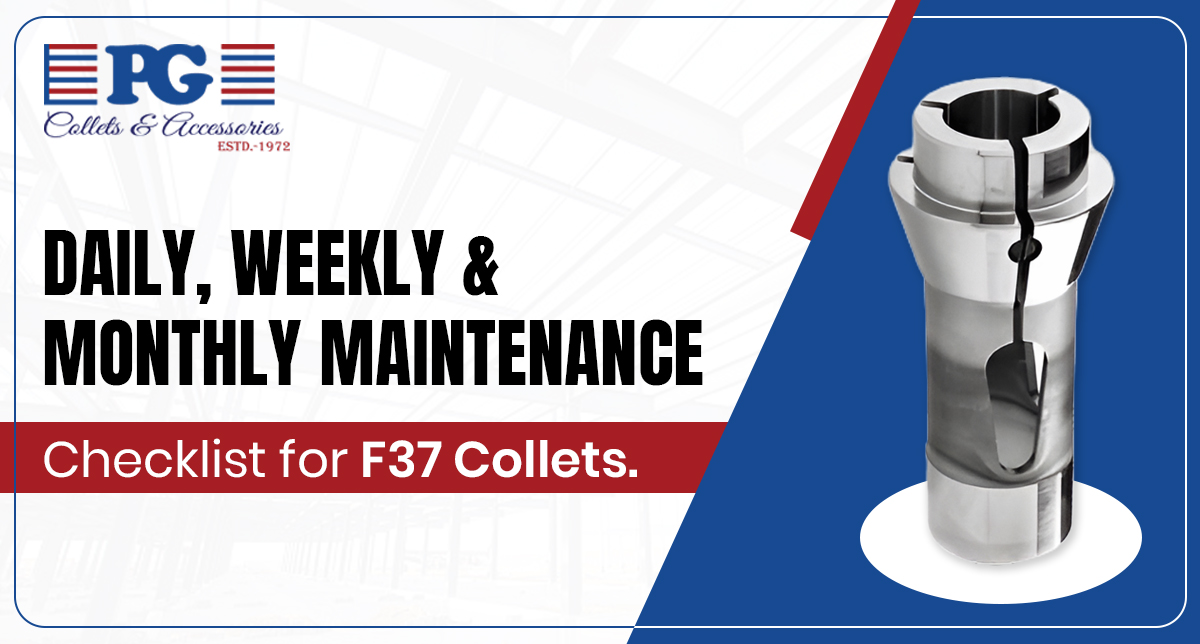
Daily, Weekly & Monthly Maintenance Checklist for F37 Collets

In precision machining, even the smallest component can impact overall performance. Among these components, F37 Collets play a critical role in ensuring concentricity, grip strength, and machining accuracy. When maintained properly, they enhance tool life, reduce runout, and prevent costly downtime.

At PG Collets, we often emphasize that performance doesn’t depend only on manufacturing quality — it also relies heavily on consistent maintenance. A structured maintenance checklist helps machinists and workshop supervisors extend the service life of their collets while maintaining optimal machining precision.

This guide outlines a practical daily, weekly, and monthly maintenance routine designed to keep your F37 Collet in peak condition.

Why Maintenance of F37 Collets Matters

Collets are designed to hold tools or workpieces securely within a spindle. Over time, exposure to dust, chips, coolant residue, and repeated clamping pressure can affect performance. Poor maintenance can lead to:

  • Increased runout
  • Reduced gripping force
  • Tool slippage
  • Surface finish defects
  • Premature wear

Routine care ensures that F37 Collets maintain dimensional accuracy and reliable clamping force throughout their working life.

Daily Maintenance Checklist

Daily inspection and cleaning prevent minor issues from turning into major problems. Since F37 Collets are used repeatedly during machining operations, they should be cleaned at the end of every shift.

1. Clean After Every Use

Remove chips, dust, and coolant residue using compressed air. Make sure the slots are clear and free from debris.

Avoid using excessive air pressure, as it can push debris deeper into the spindle.

2. Wipe with Lint-Free Cloth

Use a clean, dry cloth to wipe the outer and inner surfaces. For stubborn residue, use a mild solvent recommended for precision tooling.

Clean surfaces help maintain proper seating and reduce unnecessary wear on both the collet and spindle.

3. Visual Inspection

Check for:

  • Cracks near the slots
  • Surface dents
  • Uneven wear marks
  • Rust or corrosion

Any visible damage can compromise clamping accuracy. Damaged Collets should be removed from service immediately.

4. Light Lubrication

Apply a thin coat of rust-preventive oil if the collet will not be used immediately. This prevents oxidation and corrosion.

Daily care ensures that F37 Collets perform consistently from one shift to the next.

Weekly Maintenance Checklist

While daily cleaning focuses on surface-level care, weekly maintenance involves deeper inspection and functional checks.

1. Check Clamping Force

Over time, repeated tightening can reduce clamping strength. Test gripping performance using standard test tools to ensure consistent holding pressure.

Reduced grip may indicate wear in the collet slots or taper surface.

2. Inspect Taper Contact Surface

Examine the taper carefully for scoring, scratches, or uneven wear. Even slight imperfections can increase runout.

Precision-machined F37 Collets depend on clean, smooth taper contact to function correctly.

3. Measure Runout

Use a dial indicator to check runout accuracy. Excessive runout can lead to vibration and tool damage.

If runout exceeds acceptable tolerance, inspect both the spindle and collet before continuing operations.

4. Check Storage Conditions

Ensure unused Collet are stored in clean, dry containers. Avoid stacking them loosely, as this can cause surface damage.

Weekly checks help identify wear before it affects machining quality.

Monthly Maintenance Checklist

Monthly inspections focus on long-term durability and overall performance evaluation.

1. Detailed Wear Analysis

Examine each unit for:

  • Slot widening
  • Loss of elasticity
  • Taper deformation
  • Surface fatigue

Repeated stress cycles may weaken F37 Collets over time. Identifying fatigue early prevents unexpected failures.

2. Deep Cleaning Procedure

Soak the collets in a recommended cleaning solution to remove built-up coolant deposits. Use a soft brush to clean internal surfaces.

Never use abrasive tools, as they may damage precision surfaces.

3. Calibration and Accuracy Testing

Test dimensional accuracy using certified measuring tools. This ensures that the collet continues to meet required machining tolerances.

Precision workshops relying on high-speed machining should not overlook monthly calibration checks.

4. Replacement Planning

Even high-quality Collets have a defined service life. If repeated inspections reveal performance decline, schedule replacement proactively rather than waiting for failure.

Routine monthly evaluations significantly extend the life of F37 Collets while maintaining machining reliability.

Best Practices for Extending Collet Life

To maximize the lifespan of your tooling system, follow these additional guidelines:

  • Avoid over-tightening beyond recommended torque
  • Use compatible spindle systems
  • Do not mix worn and new collets in critical operations
  • Keep spindle tapers clean
  • Replace collets showing consistent runout issues

Workshops that follow structured care procedures often report longer service life and improved machining accuracy.

Common Signs Your Collets Need Replacement

Even with regular maintenance, certain warning signs indicate it’s time for replacement:

  • Persistent tool slippage
  • Increased vibration during cutting
  • Inconsistent concentricity
  • Visible cracks or deformation

Ignoring these signs can damage tools and workpieces, leading to higher operational costs.

Why Quality Matters in Collet Selection

While maintenance is critical, starting with high-quality tooling makes a significant difference. Precision-engineered F37 Collet manufactured with tight tolerances and superior materials offer better durability and consistent performance.

At PG Collets, emphasis is placed on manufacturing standards that ensure reliable clamping force, accurate concentricity, and long operational life. When combined with a disciplined maintenance routine, premium-quality collets deliver maximum efficiency in machining applications.

Conclusion

Precision machining demands attention to detail, and tooling components deserve the same level of care as major equipment. Implementing a structured daily, weekly, and monthly checklist ensures that F37 Collets remain reliable, accurate, and durable.

By maintaining clean surfaces, monitoring wear patterns, and testing performance regularly, workshops can reduce downtime and maintain high machining standards. Preventive maintenance is not just a routine — it is an investment in productivity and long-term cost savings.

FAQs

1. How often should F37 Collets be cleaned?

They should be cleaned daily after use to remove chips, coolant residue, and dust buildup.

2. What causes excessive runout in collets?

Common causes include taper damage, debris buildup, uneven wear, or loss of elasticity.

3. Can damaged collets be repaired?

Minor surface issues may be addressed, but cracked or deformed collets should always be replaced.

4. How long do collets typically last?

Service life depends on usage frequency, machining load, and maintenance practices.

5. Why is regular inspection important?

Routine inspection prevents tool slippage, vibration, and costly machining errors while extending overall tooling life.

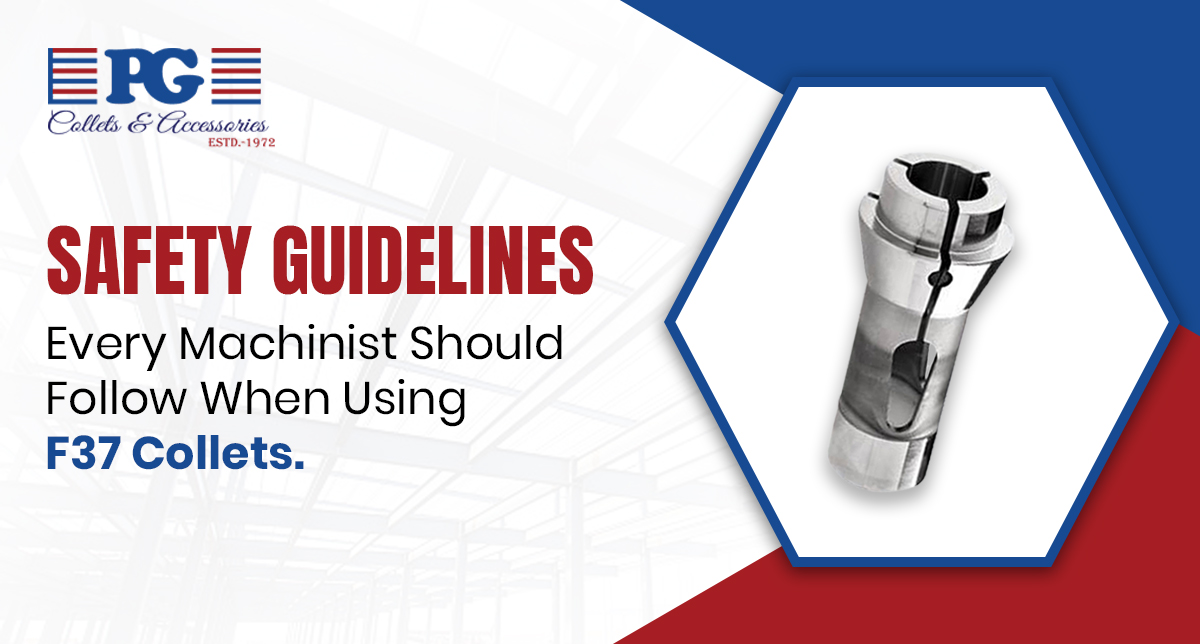
Safety Guidelines Every Machinist Should Follow When Using F37 Collets

Precision machining depends not only on skill and machine capability but also on the correct and safe use of tooling components. Among these, F37 Collets play a critical role in holding cutting tools securely and ensuring accurate machining results. While collets are designed for strength, precision, and reliability, improper handling or usage can lead to tool failure, machine damage, or even serious injury.

This article outlines essential safety guidelines every machinist should follow when working with F37 collet, helping ensure safe operations, consistent performance, and longer tool life. Drawing on best practices and industry experience, these guidelines are especially relevant for workshops aiming to maintain high safety and quality standards.

Understanding the Role of F37 Collets in Machining

F37 collets are widely used in precision machining applications where accurate tool clamping and minimal runout are essential. Like other high-quality collets, they are designed to grip tools firmly while maintaining concentricity at high speeds.

Because collets directly influence cutting stability, any error in their use can compromise machining accuracy and safety. Understanding how F37 collets function—and respecting their design limits—is the first step toward safe and efficient operations.

Inspect Collets Before Every Use

One of the most overlooked safety steps is routine inspection. Before installing F37 collets, machinists should always check for visible signs of wear, cracks, deformation, or corrosion.

Even minor damage can affect clamping force and lead to tool slippage during operation. Dirt, metal chips, or oil residue inside the collet slots can also prevent proper seating. Cleaning the collet thoroughly before use ensures consistent grip and reduces the risk of unexpected tool movement.

Use the Correct Collet Size for the Tool

Using the correct collet size is essential for both safety and performance. F37 collets are manufactured to precise tolerances, and attempting to clamp tools outside the recommended diameter range can cause uneven pressure distribution.

Oversized or undersized tools may appear to fit initially, but they can loosen under rotational force. This not only affects machining accuracy but also creates a serious safety hazard. Machinists should always verify tool shank dimensions and match them precisely with the appropriate collet.

Ensure Proper Installation and Seating

Improper installation is a common cause of collet-related accidents. When mounting F37 collets, it is important to ensure they are fully seated in the collet nut or holder before inserting the cutting tool.

The collet should snap into position smoothly without force. Forcing a collet into place can deform its structure, reducing clamping efficiency. Once installed, the tool should be inserted to the recommended depth to maintain balance and stability during operation.

Follow Recommended Torque Specifications

Over-tightening or under-tightening collets is a frequent mistake in machining environments. Excessive torque can damage F37 collets, collet nuts, and tool holders, while insufficient tightening may result in tool slippage.

Using a calibrated torque wrench helps apply consistent and manufacturer-recommended torque levels. This not only improves safety but also extends the service life of collets and associated tooling components.

Maintain Clean Tooling and Work Environment

Cleanliness directly impacts the performance of collets. Dust, chips, coolant residue, or oil buildup can interfere with proper clamping. Machinists should regularly clean F37 collets, tool holders, and mating surfaces using appropriate cleaning solutions.

A clean work environment also reduces the risk of contaminants entering the collet system. Simple practices such as wiping tools before insertion and storing collets in protective cases can significantly improve safety and reliability.

Avoid Exceeding Speed and Load Limits

Every collet is designed to operate within specific speed and load parameters. Running tools beyond recommended RPM limits can cause excessive centrifugal force, reducing clamping pressure and increasing the risk of tool ejection.

Similarly, aggressive cutting parameters that exceed the holding capacity of collets can lead to vibration, chatter, and premature failure. Machinists should always consider the application requirements and select cutting conditions that align with the capabilities of F37 collets.

Replace Worn or Damaged Collets Promptly

Collets are precision components that wear gradually over time. Continuous use, frequent tool changes, and exposure to harsh conditions can reduce their effectiveness.

Ignoring early signs of wear can compromise safety and machining accuracy. Establishing a routine replacement schedule for collets helps prevent unexpected failures and maintains consistent performance across operations.

Store Collets Properly When Not in Use

Proper storage is often underestimated but plays a key role in collet longevity. F37 collets should be stored in clean, dry environments away from moisture and contaminants.

Using dedicated racks or cases prevents accidental damage and makes it easier to identify the correct collet when needed. Organized storage also reduces handling time and minimizes the risk of using damaged or incorrect collets.

Invest in Quality Collets from Trusted Manufacturers

Safety in machining starts with the quality of tooling. High-quality collets are manufactured using superior materials and precise engineering, ensuring consistent grip and durability.

PG Collets focuses on delivering reliable collets designed for demanding industrial applications. By choosing well-engineered solutions, machinists can reduce operational risks and improve overall workshop efficiency.

Conclusion

Safe machining practices depend on attention to detail, proper handling, and the use of reliable tooling components. Following these safety guidelines when working with F37 Collets helps machinists achieve stable clamping, accurate results, and a safer working environment. From routine inspection and correct installation to proper maintenance and storage, every step plays a role in minimizing risk and maximizing performance.

For workshops and manufacturers seeking dependable solutions from a trusted collet manufacturer in india, PG Collets continues to deliver precision-engineered collets that support safety, consistency, and long-term machining success.

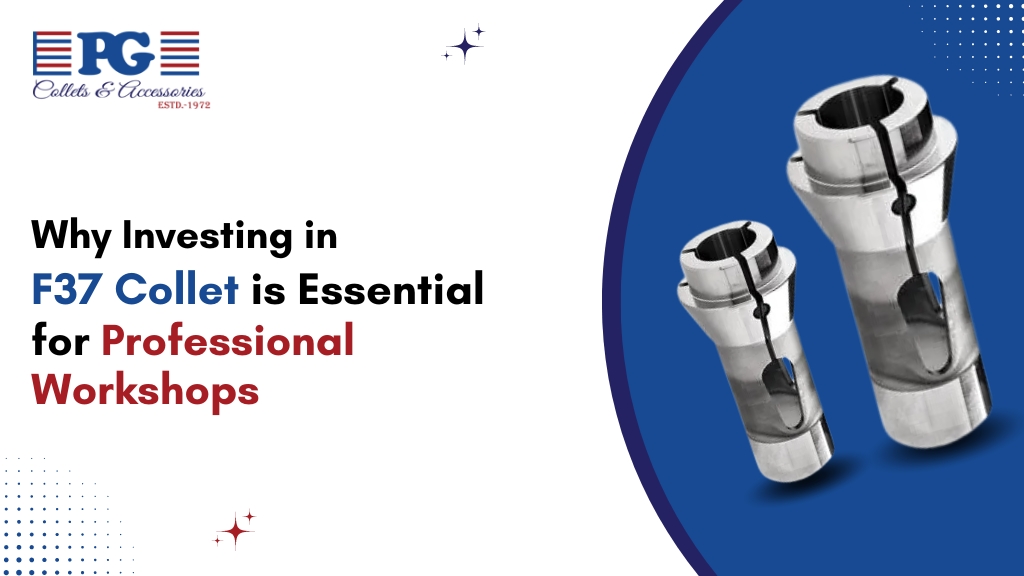
Why Investing in F37 Collet is Essential for Professional Workshops

In precision machining, the quality of tools and components directly impacts the efficiency and accuracy of operations. Among these critical components, F37 collet stand out as essential for holding and securing tools and workpieces. This article explores why investing in F37 collets is crucial for professional workshops, emphasizing their role in improving performance, reliability, and overall operational success.

The Importance of F37 Collet in Precision Machining

F37 collets are designed to provide a secure and precise grip on tools and workpieces, which is fundamental for achieving high-quality results in various machining processes. These collets are widely used in milling, turning, and drilling applications due to their ability to maintain alignment and stability. Understanding the importance of F37 collet helps workshops ensure that they are equipped with the right tools for achieving the highest standards of precision and performance.


Enhancing Precision and Accuracy


  • Achieving Accurate Results


Precision is a critical factor in machining, and F37 collets are instrumental in achieving it. The design of F37 Tool Holders ensures a tight and accurate fit for tools and workpieces, which is essential for making precise cuts and maintaining tight tolerances. Investing in F37 collets allows workshops to consistently produce high-quality components and products with exact measurements and finishes, meeting the demanding requirements of professional machining tasks.


  • Consistent Tool Clamping


F37 collets provide consistent clamping force, which is crucial for maintaining tool stability during machining. This consistency reduces the likelihood of tool slippage or misalignment, which can lead to defects or inaccuracies in the finished product. By using F37 collets, workshops ensure that their tools remain securely in place, resulting in more reliable and accurate machining operations.


Improving Operational Efficiency


  • Streamlining Setup Processes


Efficiency is a key factor in the success of any workshop. F37 Spindle Collets contribute to operational efficiency by reducing the time needed for setup and adjustments. Reliable collets offer a secure grip, minimizing the need for frequent recalibrations and adjustments. This efficiency allows machinists to quickly and confidently set up their equipment, leading to faster turnaround times and increased productivity.


  • Reducing Maintenance and Downtime


Inferior collets can lead to frequent maintenance issues, including tool movement, wear, and alignment problems. F37 collets, known for their durability and reliability, help reduce the frequency of maintenance and repairs. This results in fewer disruptions and a more consistent workflow, allowing workshops to maintain a steady pace of operations without the constant need for equipment adjustments.


Ensuring Quality Control


  • Maintaining High Standards


Quality control is essential for professional workshops to ensure that products and components meet high standards. F37 collets play a crucial role in this process by providing precise and stable holding of tools and workpieces. This precision contributes to uniform machining results, reducing the risk of defects and ensuring that each component adheres to the required specifications. Investing in F37 collets supports workshops in achieving and maintaining superior quality control.


  • Supporting Complex Machining Tasks


Complex machining tasks require reliable tooling solutions. F37 collets offer the stability and precision necessary for handling intricate and detailed operations. Their ability to securely hold tools and workpieces ensures that advanced machining techniques, such as multi-axis operations and high-speed cutting, are executed with accuracy. This reliability is essential for achieving complex designs and maintaining high craftsmanship in finished products.


Long-Term Cost Benefits


  • Cost-Effective Investment


While the initial investment in F37 collets may be higher, the long-term benefits make them a cost-effective choice. The durability and reliability of these collets lead to lower maintenance expenses and fewer replacements over time. Workshops can save on costs associated with frequent repairs and downtime, ultimately achieving a better return on investment. The enhanced performance and efficiency provided by F37 collets also contribute to better resource utilization and overall cost-effectiveness.


  • Extending Equipment Longevity


The longevity of workshop equipment is closely linked to the quality of the components used. F37 collets are designed to last, even under demanding conditions. Their robust construction and resistance to wear ensure that they maintain their performance over an extended period. By investing in durable F37 collets, workshops can extend the lifespan of their equipment and reduce the frequency of equipment upgrades.


Supporting Technological Advancements


  • Compatibility with Modern Techniques


As machining technology evolves, workshops are adopting advanced techniques and equipment. F37 Grippers support these advancements by providing the precision and stability required for modern machining processes. Whether it’s high-speed cutting, automated systems, or advanced tooling techniques, F37 collets ensure that workshops can effectively implement and benefit from the latest technological innovations.


  • Expanding Workshop Capabilities


Investing in F37 collets enhances the overall capabilities of a workshop. With reliable and precise collets, workshops can handle a wider range of machining tasks and achieve more complex designs. This versatility allows workshops to expand their service offerings and stay competitive in a rapidly changing industry. F37 collets provide the foundation for workshops to explore new opportunities and take on more challenging projects.


Ensuring Safety and Reliability


  • Minimizing Risk of Tool Failures


Safety is a critical concern in any machining environment. F37 collets contribute to a safer workplace by providing a F37 Grippers on tools and workpieces. This stability reduces the risk of tool failures and unexpected movements, which can pose hazards to operators. By investing in reliable F37 collets, workshops can create a safer working environment and protect their personnel from potential injuries.


  • Promoting Consistent Performance


Consistent performance is essential for meeting client expectations and maintaining operational excellence. F37 Workpiece Holders are held securely, reducing the likelihood of disruptions and inconsistencies. This reliability promotes a smoother workflow and helps workshops meet deadlines and deliver high-quality results consistently. For workshops that prioritize operational excellence, F37 collets are a crucial element for achieving reliable performance.


Conclusion

Investing in F37 collet is a strategic decision that offers numerous benefits for professional workshops. From enhancing precision and accuracy to improving operational efficiency and reducing maintenance, the advantages of F37 Tool Holders are significant. By choosing F37 Workpiece Holders can achieve superior machining results, increase productivity, and ensure long-term cost savings. For any professional workshop committed to excellence and success, investing in F37 Precision Collets is an essential step toward driving performance and maintaining a competitive edge in the industry.