

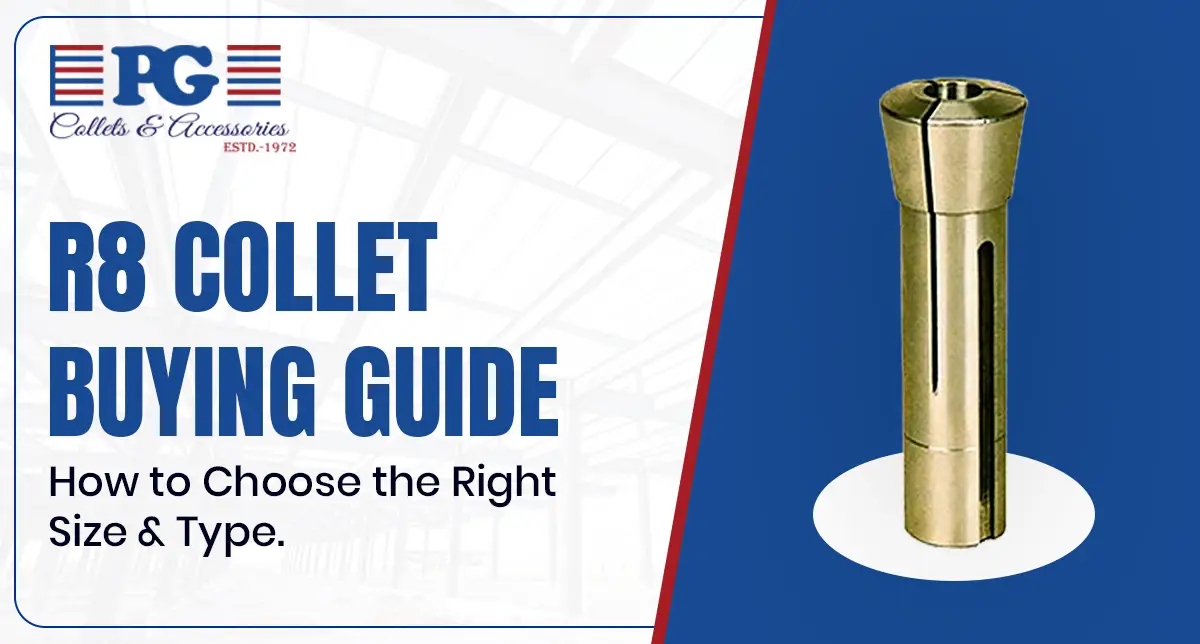
R8 Collet Buying Guide: How to Choose the Right Size & Type

When it comes to precision machining, choosing the right tooling can make a significant difference in performance and accuracy. One such essential component is the r8 collet, widely used in milling machines for holding cutting tools securely. Whether you’re a beginner or a professional machinist, understanding how to choose the right size and type is crucial.

In this guide by PG Collets, we’ll break down everything you need to know—from basics to advanced considerations—so you can make an informed decision.

What is an R8 Collet?

Before diving into selection criteria, it’s important to understand what is an r8 collet.

An r8 collet is a precision tool holder designed for milling machines, especially manual mills like Bridgeport. It fits directly into the spindle and holds cutting tools such as end mills and drills with high accuracy.

Unlike other collet systems, R8 collets are simple, cost-effective, and widely used in workshops due to their reliability.

What is a Collet Chuck?

Many users often ask what is a collet chuck and how it relates to collets.

A collet chuck is the holder that houses the collet and clamps it around the tool. In the case of R8, the collet itself fits into the spindle, so a separate chuck is not always required. However, in other systems like ER collets, a chuck plays a crucial role.

Understanding this difference helps you choose between different collet systems depending on your machine setup.

Types of Collets Used in Machining

There are various collet types with pictures available in the market, each designed for specific applications:

1. R8 Collet

  • Designed for milling machines
  • Direct spindle fitting
  • Ideal for precision cutting tools

2. 5C Collet

  • Commonly used in lathes
  • Suitable for round, hex, and square stock
  • Highly versatile

3. 16C Collets

  • Larger capacity compared to 5C
  • Used for heavy-duty operations

4. Lathe Collet

  • Designed specifically for lathe machines
  • Ensures better grip than standard chucks

5. 3J Collet

  • Often referred to in specialized setups like 3j collet Michigan
  • Used for niche industrial applications

6. F37 Collet

  • Used in specific industrial machines
  • Known for high clamping precision

Each collet type serves a unique purpose, so selecting the right one depends on your machine and application.

Key Factors to Consider When Choosing an R8 Collet

Selecting the right r8 collet is not just about size—it involves several critical factors:

1. Size Accuracy

The most important factor is matching the collet size to your tool shank. R8 collets are not as flexible as ER collets, so you need an exact size match.

Tip: Always choose a collet that exactly matches your tool diameter for maximum precision.

2. Material Quality

High-quality collets are made from hardened alloy steel. Premium brands like PG Collets ensure durability and consistent performance.

Low-quality materials can lead to:

  • Poor grip
  • Increased runout
  • Reduced tool life

3. Runout Precision

Runout refers to how much the tool deviates from its axis while rotating. A good r8 collet should have minimal runout to ensure accurate machining.

4. Application Type

Consider what you’re using the collet for:

  • Milling → R8 collet
  • Turning → lathe collet or lathe collets
  • Heavy-duty → 16c collets

5. Compatibility with Machine

Ensure your milling machine supports R8 taper. Not all machines are designed for it.

R8 Collet vs Other Collet Systems

Understanding how an r8 collet compares with other collet systems helps you make better decisions.

FeatureR8 Collet5C ColletER Collet
Machine TypeMillingLatheUniversal
FlexibilityLowMediumHigh
AccuracyHighHighVery High
Tool ChangeModerateEasyEasy

If you’re working specifically with milling machines, the r8 collet remains one of the best choices.

Common Mistakes to Avoid

Even experienced machinists make mistakes when selecting collets. Here are some you should avoid:

  • Choosing the wrong size (very common)
  • Ignoring runout specifications
  • Using worn-out collets
  • Mixing incompatible collet chuck systems
  • Buying low-quality products

Why Choose PG Collets?

When investing in precision tooling, quality matters. PG Collets offers:

  • High-grade hardened steel
  • Tight tolerance and low runout
  • Long-lasting durability
  • Wide range including 5c collet, 16c collets, and more

This ensures that your machining operations remain smooth, accurate, and efficient.

Maintenance Tips for R8 Collets

To extend the life of your r8 collet, follow these simple practices:

  • Clean regularly to remove debris
  • Avoid overtightening
  • Store in a dry environment
  • Inspect for wear and tear

Proper maintenance not only improves performance but also saves long-term costs.

FAQs

1. What is an R8 collet used for?

An r8 collet is primarily used in milling machines to hold cutting tools like end mills and drills securely.

2. What is a collet chuck?

A collet chuck is a device that holds a collet and tightens it around a tool or workpiece for precision machining.

3. Can R8 collets hold different sizes?

No, an r8 collet is designed for a specific size. Unlike ER collets, it does not have a wide clamping range.

4. What is the difference between 5C and R8 collets?

A 5c collet is mainly used in lathes, while an r8 collet is used in milling machines.

5. How do I choose the right collet size?

Always match the collet size exactly with the tool shank diameter for best results.

6. What are lathe collets used for?

Lathe collets are used to hold workpieces in a lathe with high precision and minimal vibration.

Final Thoughts

Choosing the right r8 collet is essential for achieving precision, efficiency, and durability in machining operations. By understanding different collet types, evaluating your requirements, and investing in quality products like those from PG Collets, you can significantly improve your machining results.

Instead of treating collets as a small accessory, consider them a critical component of your tooling system—because even the smallest detail can impact the final output.
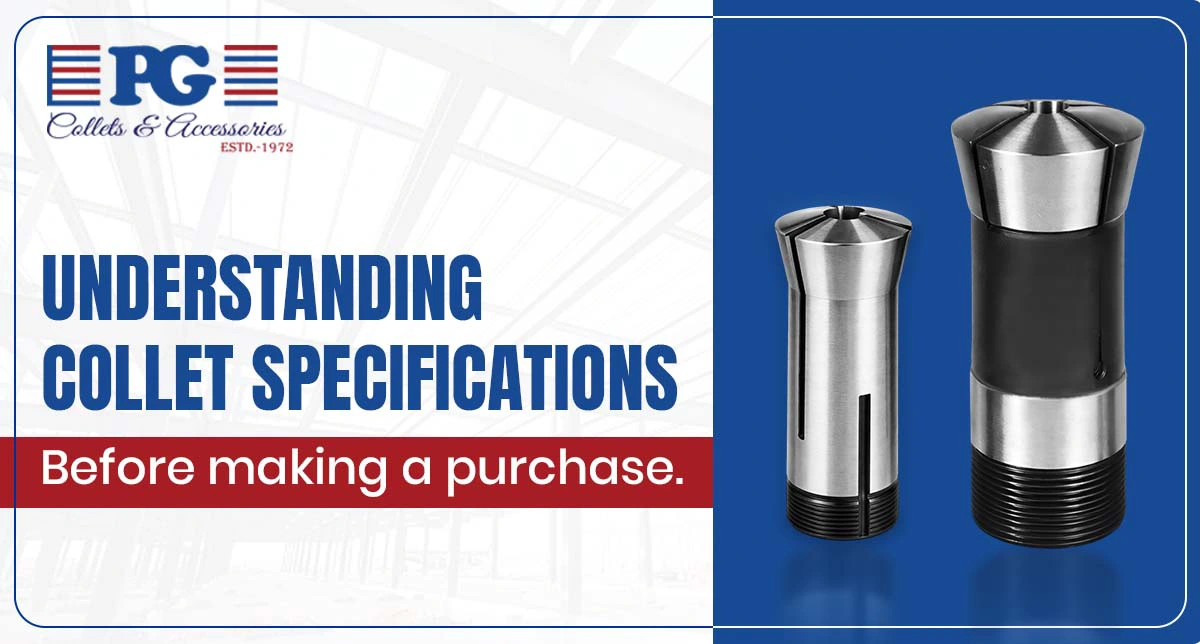
Understanding Collet Specifications Before Making a Purchase

When it comes to precision machining, selecting the right collets is one of the most important decisions for ensuring accuracy, stability, and efficiency. Collets are widely used in machining applications to hold cutting tools or workpieces firmly in place while maintaining high precision. However, before making a purchase, it is important to understand the various specifications, sizes, and types available in the market.

For manufacturers, machinists, and workshop owners, choosing the correct collet can significantly impact machining performance. Reliable brands such as PG Collets provide a wide range of high-quality solutions designed to meet different machining needs. In this blog, we will explore the essential specifications you should understand before buying collets and how to select the right one for your application.


What Are Collets?

Collets are specialized clamping devices used in machining tools to securely hold cutting tools or workpieces. They are typically used in milling machines, lathes, grinders, and CNC machines. Unlike standard chucks, collets provide uniform clamping pressure around the tool, ensuring better precision and reduced runout.

High-quality collets play a critical role in improving machining accuracy and maintaining tool stability during high-speed operations. Because of this, machinists always pay close attention to specifications such as size, taper, clamping range, and compatibility with the machine spindle.


Why Collet Specifications Matter

Before purchasing a collet, understanding its specifications helps avoid compatibility issues and ensures optimal machining results. Different machines require different types of collets, and using the wrong one can lead to tool slippage, vibration, or poor surface finish.

Manufacturers like PG Collets design their products to meet industry standards, allowing machinists to achieve precise tool holding and consistent performance. When selecting collets, considering the correct specification ensures longer tool life and improved machining productivity.


Common Collet Types Used in Machining

There are several collet types available in the market, each designed for specific machining operations. Understanding these options will help you choose the right one for your workshop.


1. R8 Collets

R8 collets are commonly used in milling machines, particularly those with R8 spindles. They are popular because of their simplicity and strong gripping ability.

Many machinists prefer using an R8 collet set since it provides multiple sizes for holding different cutting tools. These collets are ideal for milling applications where accurate tool positioning is required.


2. 5C Collets

Another widely used option is 5C collets, which are commonly found in lathes, grinders, and indexing fixtures. They provide excellent concentricity and quick tool changes, making them highly suitable for precision machining.

To maximize efficiency, machinists often pair them with a 5C collet chuck, which allows for easy installation and removal of workpieces. This setup improves productivity and ensures reliable clamping during machining processes.


3. 16C Collets

For heavier machining operations, 16C collets are often used. These collets are larger and designed to handle bigger workpieces while maintaining strong gripping force.

They are frequently used in industrial manufacturing environments where larger components need to be machined with high precision.


4. 3J Collets

3J collets are commonly used in automatic lathes and production machining. They are designed for fast and efficient workpiece holding, especially in high-volume manufacturing setups.

These collets offer consistent gripping pressure and are suitable for repetitive machining tasks where speed and accuracy are essential.


Understanding Milling Collet Types

Different milling collet types are available depending on the machine spindle and the tooling requirements. Milling collets are mainly used to hold end mills, drills, and other cutting tools during milling operations.

The correct milling collet ensures that the tool remains perfectly aligned with the spindle axis. This reduces vibration and improves machining accuracy. Reputable manufacturers such as PG Collets provide precision-engineered collets that meet strict manufacturing standards.


Importance of Using the Right Collet Chuck

A collet chuck is the component that holds the collet inside the machine spindle. It plays a crucial role in the clamping mechanism and overall machining stability.

For example, a 5C collet chuck allows machinists to quickly change workpieces while maintaining strong holding force. Choosing the right chuck ensures that the collet performs efficiently without causing runout or vibration during machining.


Key Factors to Consider Before Buying Collets

Understanding the following factors can help you select the right collets for your machining requirements.


1. Machine Compatibility

Always ensure that the collet you choose is compatible with your machine spindle. Different machines require specific collet standards such as R8, 5C, or 16C.


2. Clamping Range

Each collet has a specific clamping range. Choosing the correct range ensures that the tool or workpiece is held securely without slipping.


3. Material and Durability

High-quality collets are usually made from hardened alloy steel. Durable materials improve tool life and maintain clamping accuracy over time.


4. Precision and Runout

Precision is critical in machining. Premium collets are manufactured with tight tolerances to minimize runout and ensure consistent results.


5. Brand Reliability

Purchasing from trusted manufacturers such as PG Collets ensures you receive products that meet industrial quality standards.


Why Choose PG Collets for Your Machining Needs

When purchasing collets, quality and precision should never be compromised. PG Collets is known for manufacturing high-performance collets designed for various machining applications.

Their product range includes multiple collet types that are engineered to deliver consistent clamping force, durability, and high accuracy. By choosing reliable products from PG Collets, machinists can improve productivity while maintaining precision in every operation.


Key Takeaways Before Buying Collets

Selecting the right collets is essential for achieving precision and efficiency in machining operations. From understanding different collet types to choosing the correct size and compatibility, every specification plays an important role in tool performance.

Options such as R8 collets, 5C collets, 16C collets, and 3J collets are widely used across various machining applications. Additionally, using the right collet chuck or 5C collet chuck further enhances stability and productivity.

By carefully evaluating these specifications and choosing trusted manufacturers like PG Collets, machinists can ensure reliable performance, improved accuracy, and long-term efficiency in their machining processes.


FAQs


1. What are collets used for in machining?

Collets are used to hold cutting tools or workpieces securely in machines such as lathes, milling machines, and CNC machines. They provide precise clamping and help maintain machining accuracy.


2. What are the different collet types available?

There are several collet types including R8 collets, 5C collets, 16C collets, and 3J collets. Each type is designed for specific machines and machining applications.


3. What is the difference between a collet and a collet chuck?

A collet is the clamping device that holds the tool or workpiece, while a collet chuck is the holder that secures the collet inside the machine spindle.


4. Why are R8 collets commonly used in milling machines?

R8 collets are popular because they provide strong clamping force and accurate tool holding, making them ideal for milling applications.


5. What is a 5C collet chuck used for?

A 5C collet chuck is used to hold 5C collets in lathes and other machines, allowing for quick workpiece changes and precise clamping.


6. How do I choose the right collet for my machine?

To choose the right collet, consider machine compatibility, clamping range, precision requirements, and the type of machining operation you perform.