

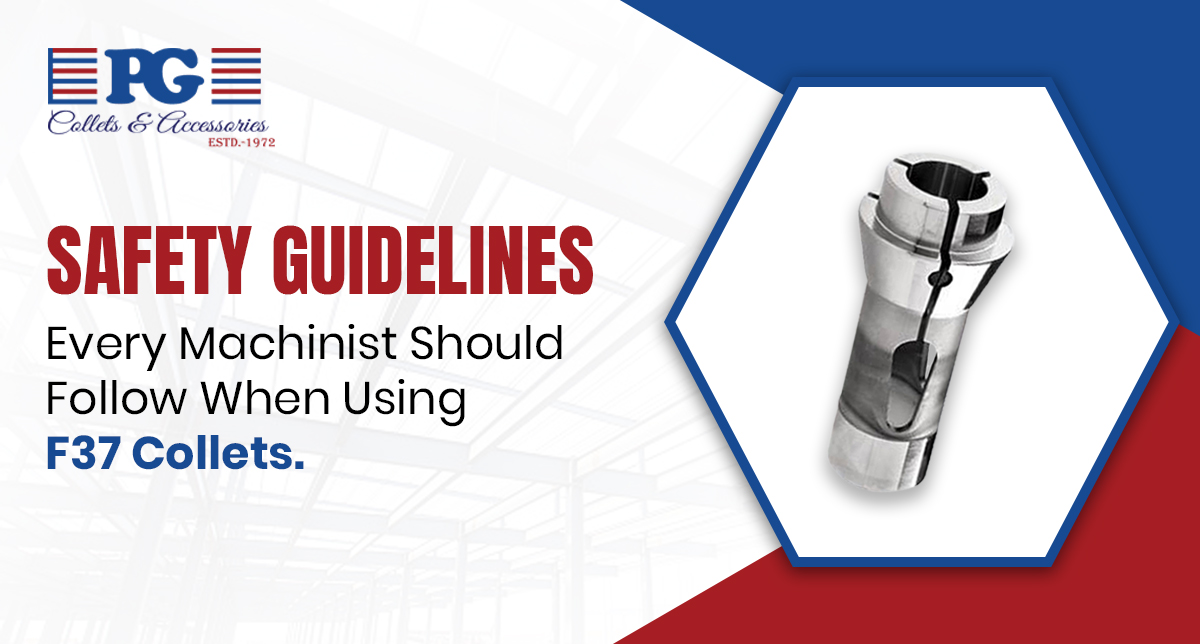
Safety Guidelines Every Machinist Should Follow When Using F37 Collets

Precision machining depends not only on skill and machine capability but also on the correct and safe use of tooling components. Among these, F37 Collets play a critical role in holding cutting tools securely and ensuring accurate machining results. While collets are designed for strength, precision, and reliability, improper handling or usage can lead to tool failure, machine damage, or even serious injury.

This article outlines essential safety guidelines every machinist should follow when working with F37 collet, helping ensure safe operations, consistent performance, and longer tool life. Drawing on best practices and industry experience, these guidelines are especially relevant for workshops aiming to maintain high safety and quality standards.

Understanding the Role of F37 Collets in Machining

F37 collets are widely used in precision machining applications where accurate tool clamping and minimal runout are essential. Like other high-quality collets, they are designed to grip tools firmly while maintaining concentricity at high speeds.

Because collets directly influence cutting stability, any error in their use can compromise machining accuracy and safety. Understanding how F37 collets function—and respecting their design limits—is the first step toward safe and efficient operations.

Inspect Collets Before Every Use

One of the most overlooked safety steps is routine inspection. Before installing F37 collets, machinists should always check for visible signs of wear, cracks, deformation, or corrosion.

Even minor damage can affect clamping force and lead to tool slippage during operation. Dirt, metal chips, or oil residue inside the collet slots can also prevent proper seating. Cleaning the collet thoroughly before use ensures consistent grip and reduces the risk of unexpected tool movement.

Use the Correct Collet Size for the Tool

Using the correct collet size is essential for both safety and performance. F37 collets are manufactured to precise tolerances, and attempting to clamp tools outside the recommended diameter range can cause uneven pressure distribution.

Oversized or undersized tools may appear to fit initially, but they can loosen under rotational force. This not only affects machining accuracy but also creates a serious safety hazard. Machinists should always verify tool shank dimensions and match them precisely with the appropriate collet.

Ensure Proper Installation and Seating

Improper installation is a common cause of collet-related accidents. When mounting F37 collets, it is important to ensure they are fully seated in the collet nut or holder before inserting the cutting tool.

The collet should snap into position smoothly without force. Forcing a collet into place can deform its structure, reducing clamping efficiency. Once installed, the tool should be inserted to the recommended depth to maintain balance and stability during operation.

Follow Recommended Torque Specifications

Over-tightening or under-tightening collets is a frequent mistake in machining environments. Excessive torque can damage F37 collets, collet nuts, and tool holders, while insufficient tightening may result in tool slippage.

Using a calibrated torque wrench helps apply consistent and manufacturer-recommended torque levels. This not only improves safety but also extends the service life of collets and associated tooling components.

Maintain Clean Tooling and Work Environment

Cleanliness directly impacts the performance of collets. Dust, chips, coolant residue, or oil buildup can interfere with proper clamping. Machinists should regularly clean F37 collets, tool holders, and mating surfaces using appropriate cleaning solutions.

A clean work environment also reduces the risk of contaminants entering the collet system. Simple practices such as wiping tools before insertion and storing collets in protective cases can significantly improve safety and reliability.

Avoid Exceeding Speed and Load Limits

Every collet is designed to operate within specific speed and load parameters. Running tools beyond recommended RPM limits can cause excessive centrifugal force, reducing clamping pressure and increasing the risk of tool ejection.

Similarly, aggressive cutting parameters that exceed the holding capacity of collets can lead to vibration, chatter, and premature failure. Machinists should always consider the application requirements and select cutting conditions that align with the capabilities of F37 collets.

Replace Worn or Damaged Collets Promptly

Collets are precision components that wear gradually over time. Continuous use, frequent tool changes, and exposure to harsh conditions can reduce their effectiveness.

Ignoring early signs of wear can compromise safety and machining accuracy. Establishing a routine replacement schedule for collets helps prevent unexpected failures and maintains consistent performance across operations.

Store Collets Properly When Not in Use

Proper storage is often underestimated but plays a key role in collet longevity. F37 collets should be stored in clean, dry environments away from moisture and contaminants.

Using dedicated racks or cases prevents accidental damage and makes it easier to identify the correct collet when needed. Organized storage also reduces handling time and minimizes the risk of using damaged or incorrect collets.

Invest in Quality Collets from Trusted Manufacturers

Safety in machining starts with the quality of tooling. High-quality collets are manufactured using superior materials and precise engineering, ensuring consistent grip and durability.

PG Collets focuses on delivering reliable collets designed for demanding industrial applications. By choosing well-engineered solutions, machinists can reduce operational risks and improve overall workshop efficiency.

Conclusion

Safe machining practices depend on attention to detail, proper handling, and the use of reliable tooling components. Following these safety guidelines when working with F37 Collets helps machinists achieve stable clamping, accurate results, and a safer working environment. From routine inspection and correct installation to proper maintenance and storage, every step plays a role in minimizing risk and maximizing performance.

For workshops and manufacturers seeking dependable solutions from a trusted collet manufacturer in india, PG Collets continues to deliver precision-engineered collets that support safety, consistency, and long-term machining success.
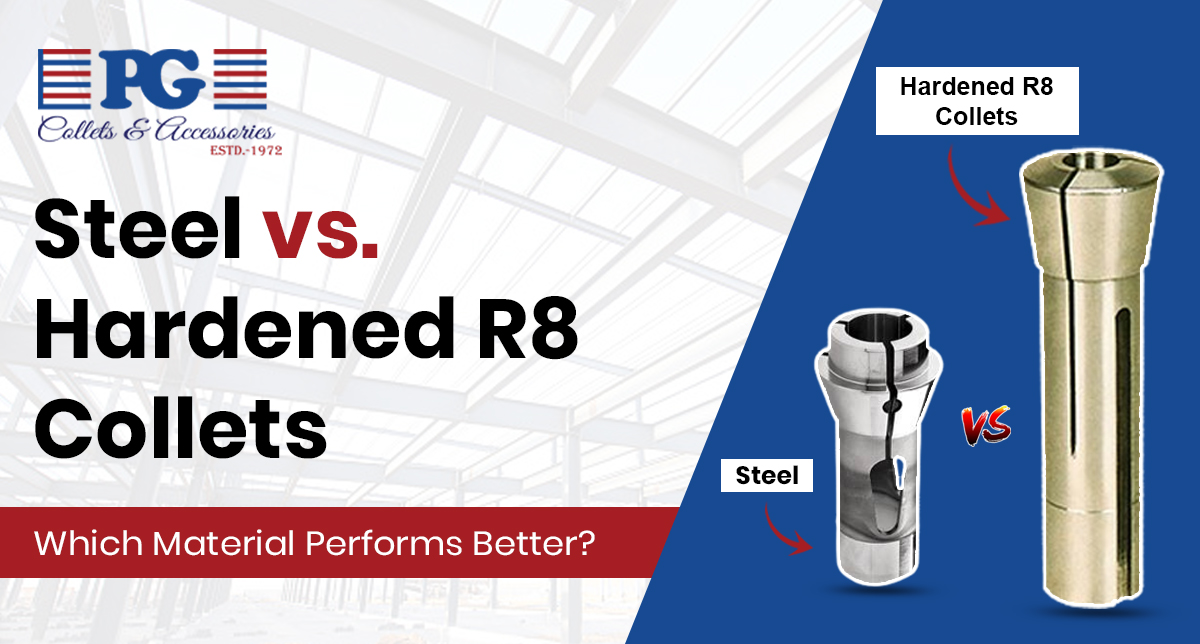
Steel vs Hardened R8 Collets: Which Material Performs Better?

When it comes to machining precision, tool holding plays a pivotal role. Among the most trusted tool holders in milling applications is the R8 collet — a versatile and widely used choice among machinists across industries. However, not all R8 collets are created equal. One of the most critical decisions for workshops, manufacturers, and CNC hobbyists alike is choosing between steel and hardened R8 collets. In this comprehensive blog, we’ll explore the differences between these two materials, examine their performance traits, and help you make an informed choice for your specific needs.

As a leading collet manufacturer in India, PG Collets aims to shed light on what makes each material unique and how it affects machining outcomes. Whether you are selecting a standard r8 collet for everyday use or upgrading to hardened variants for demanding applications, this guide is for you.

Understanding R8 Collets

Before diving into material differences, let’s first understand what an R8 collet is and why it’s so popular.

The R8 tool holder system was first developed by the Bridgeport Machine Company and has since become an industry standard in light to medium-duty milling machines. The R8 collet is designed to provide accurate tool holding by gripping the shank of cutting tools — such as end mills, drills, reamers, or taps — securely and concentrically.

Key features of an R8 collet include:

  • Broad range of sizes (commonly from 1/32″ to 1/2″)
  • High gripping accuracy and repeatability
  • Compatibility with many milling machines
  • Easy insertion and removal

However, the performance of the R8 collet depends heavily on the material it’s made from.

Why Material Matters in Collets

The material of a collet significantly impacts its durability, precision, wear resistance, and overall performance. An R8 collet constantly endures mechanical stresses, friction, and vibration during machining. For these reasons, manufacturers must choose materials that withstand such stresses while maintaining dimensional stability.

Two popular material choices in the market are:

  1. Standard Steel R8 Collets
  2. Hardened R8 Collets

Both options have their advantages and limitations, depending on the type of machining you perform.

Standard Steel R8 Collets

Standard steel collets are typically manufactured from high-quality carbon or alloy steels. These materials are chosen for their balance of strength, cost-effectiveness, and machinability.

Pros of Steel R8 Collets

  • Cost-Effective: Steel collets are generally more economical than hardened alternatives, making them ideal for budget-conscious users.
  • Versatile Performance: They provide good performance for general-purpose machining, especially in applications with light to moderate cutting forces.
  • Ease of Manufacture: As a collet manufacturer in India, PG Collets maintains rigorous quality standards, ensuring even steel collets deliver reliable gripping precision for everyday use.

Limitations of Steel R8 Collets

  • Lower Wear Resistance: Standard steel, without additional hardening treatment, is more prone to wear over time, especially when used with highly abrasive materials or heavy-duty machining.
  • Reduced Lifespan: Under continuous or high-stress applications, steel collets may deform or lose gripping accuracy quicker than hardened variants.

While steel r8 collet options are perfectly suited for many users, certain applications demand higher performance and longer tool life.

Hardened R8 Collets

Hardened R8 collets are steel collets that have undergone additional heat treatment to increase surface hardness and strength. Common hardening processes include carburizing, induction hardening, or through-hardening, which enhance wear resistance and mechanical durability.

Benefits of Hardened R8 Collets

  • Superior Wear Resistance: Due to heat treatment, hardened collets resist surface wear caused by repeated tightening and cutting operations.
  • Enhanced Precision: Hardening helps maintain the collet’s dimensional stability, reducing the risk of deformation and ensuring consistent tool gripping.
  • Longer Lifespan: Hardened collets typically outlast standard steel counterparts, especially in high-volume or abrasive machining contexts.

Ideal Use Cases for Hardened R8 Collets

  • Production Environments: Where tools are changed frequently and operations run continuously.
  • High-Speed Machining: Where vibration and friction are more intense.
  • Tight Tolerance Work: Precision components requiring repeatable, accurate tool holding benefits from the stability of hardened collets.

However, hardened collets come at a higher price point due to the additional processing involved.

Steel vs. Hardened R8 Collets — Performance Comparison

Let’s directly compare how standard steel and hardened R8 collets stack up across crucial performance factors:

Factor Steel R8 Collet Hardened R8 Collet
Cost Lower Higher
Wear Resistance Moderate Excellent
Precision Over Time May degrade with use Maintains accuracy
Suitable for Heavy Use Moderate Excellent
Best for High-Speed Machining Not ideal Very suitable
Lifespan Shorter Longer

From the table above, it’s clear that hardened collets outperform standard steel collets in demanding environments. However, for hobbyists and light-duty milling, a steel R8 collet may be entirely adequate.

Which One Should You Choose?

Selecting between steel and hardened R8 collets depends on your specific machining needs:

Choose Steel R8 Collets If:

  • You are working on light-to-medium duty operations
  • Your applications do not involve high temperatures or extreme cutting forces
  • You are focused on cost-effective tooling

Choose Hardened R8 Collets If:

  • You require higher durability and wear resistance
  • Your milling work involves high speeds or high-volume production runs
  • Precision and consistency are critical

Best Practices for R8 Collet Care

Regardless of the material, proper care significantly extends the life and performance of your collets. Here are some practical tips:

  • Clean Thoroughly: Always remove chips, debris, and coolant residue before installing the collet.
  • Proper Torque: Avoid overtightening, which can deform the collet and reduce gripping accuracy.
  • Regular Inspection: Periodically check collets for wear, chipping, and loss of tension.
  • Use Quality Tooling: Invest in collets from reputable collet manufacturer in India to ensure you get reliable performance and longevity.

Why Choose PG Collets?

As a trusted collet manufacturer in India, we are specializes in producing high-quality R8 collets and other tool holding solutions for a wide variety of industries. Here’s why customers prefer our products:

  • Precision Engineering: Every collet is manufactured under strict quality control to ensure precision and durability.
  • Wide Range of Options: We offer both standard steel and hardened R8 collets to match the requirements of different applications.
  • Material Excellence: Our materials are selected for their mechanical properties, ensuring each collet performs reliably under stress.
  • Customer Support: Professional guidance to help you choose the right collet for your machining setup.

Investing in the right collet can dramatically impact machining quality, tool life, and productivity — and PG Collets is your partner in achieving top-tier results.

Conclusion

Choosing between steel and hardened R8 collets boils down to performance needs and application demands. Standard steel collets offer affordability and utility for general purposes, while hardened collets provide superior wear resistance, precision, and longevity for more rigorous machining environments.

No matter your choice, selecting high-quality tooling from a reputable collet manufacturer in India like PG Collets ensures dependable performance and value over time.

We hope this blog helps you make the right decision for your milling needs. For expert advice or to explore our range of R8 collets, feel free to get in touch with PG Collets today!