
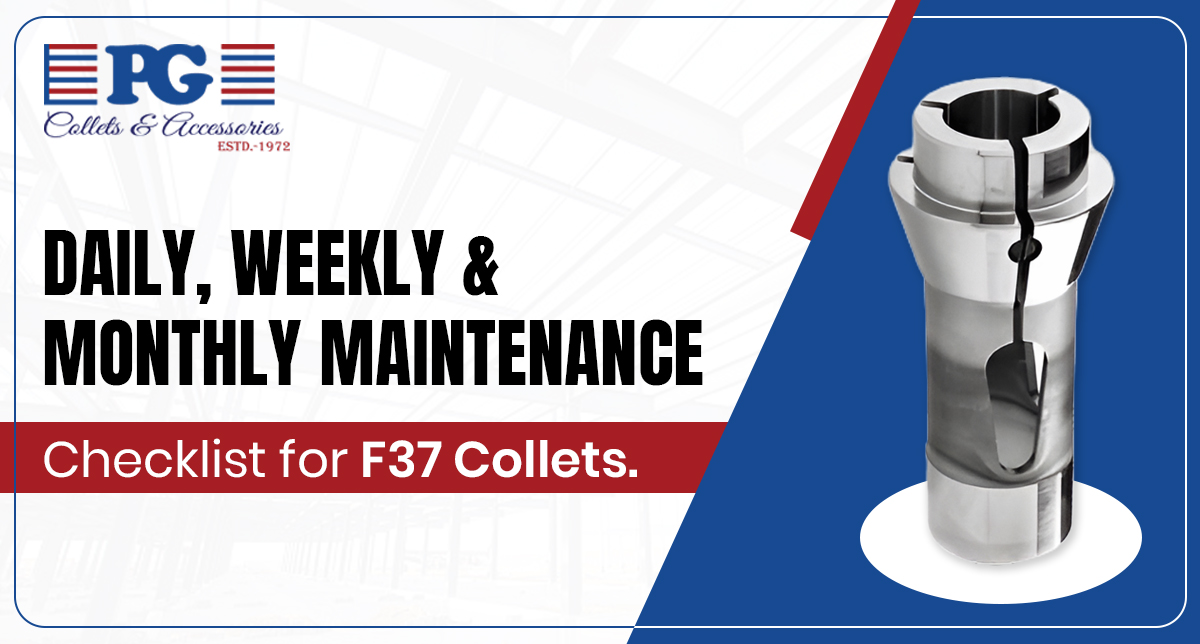
Daily, Weekly & Monthly Maintenance Checklist for F37 Collets

In precision machining, even the smallest component can impact overall performance. Among these components, F37 Collets play a critical role in ensuring concentricity, grip strength, and machining accuracy. When maintained properly, they enhance tool life, reduce runout, and prevent costly downtime.

At PG Collets, we often emphasize that performance doesn’t depend only on manufacturing quality — it also relies heavily on consistent maintenance. A structured maintenance checklist helps machinists and workshop supervisors extend the service life of their collets while maintaining optimal machining precision.

This guide outlines a practical daily, weekly, and monthly maintenance routine designed to keep your F37 Collet in peak condition.

Why Maintenance of F37 Collets Matters

Collets are designed to hold tools or workpieces securely within a spindle. Over time, exposure to dust, chips, coolant residue, and repeated clamping pressure can affect performance. Poor maintenance can lead to:

  • Increased runout
  • Reduced gripping force
  • Tool slippage
  • Surface finish defects
  • Premature wear

Routine care ensures that F37 Collets maintain dimensional accuracy and reliable clamping force throughout their working life.

Daily Maintenance Checklist

Daily inspection and cleaning prevent minor issues from turning into major problems. Since F37 Collets are used repeatedly during machining operations, they should be cleaned at the end of every shift.

1. Clean After Every Use

Remove chips, dust, and coolant residue using compressed air. Make sure the slots are clear and free from debris.

Avoid using excessive air pressure, as it can push debris deeper into the spindle.

2. Wipe with Lint-Free Cloth

Use a clean, dry cloth to wipe the outer and inner surfaces. For stubborn residue, use a mild solvent recommended for precision tooling.

Clean surfaces help maintain proper seating and reduce unnecessary wear on both the collet and spindle.

3. Visual Inspection

Check for:

  • Cracks near the slots
  • Surface dents
  • Uneven wear marks
  • Rust or corrosion

Any visible damage can compromise clamping accuracy. Damaged Collets should be removed from service immediately.

4. Light Lubrication

Apply a thin coat of rust-preventive oil if the collet will not be used immediately. This prevents oxidation and corrosion.

Daily care ensures that F37 Collets perform consistently from one shift to the next.

Weekly Maintenance Checklist

While daily cleaning focuses on surface-level care, weekly maintenance involves deeper inspection and functional checks.

1. Check Clamping Force

Over time, repeated tightening can reduce clamping strength. Test gripping performance using standard test tools to ensure consistent holding pressure.

Reduced grip may indicate wear in the collet slots or taper surface.

2. Inspect Taper Contact Surface

Examine the taper carefully for scoring, scratches, or uneven wear. Even slight imperfections can increase runout.

Precision-machined F37 Collets depend on clean, smooth taper contact to function correctly.

3. Measure Runout

Use a dial indicator to check runout accuracy. Excessive runout can lead to vibration and tool damage.

If runout exceeds acceptable tolerance, inspect both the spindle and collet before continuing operations.

4. Check Storage Conditions

Ensure unused Collet are stored in clean, dry containers. Avoid stacking them loosely, as this can cause surface damage.

Weekly checks help identify wear before it affects machining quality.

Monthly Maintenance Checklist

Monthly inspections focus on long-term durability and overall performance evaluation.

1. Detailed Wear Analysis

Examine each unit for:

  • Slot widening
  • Loss of elasticity
  • Taper deformation
  • Surface fatigue

Repeated stress cycles may weaken F37 Collets over time. Identifying fatigue early prevents unexpected failures.

2. Deep Cleaning Procedure

Soak the collets in a recommended cleaning solution to remove built-up coolant deposits. Use a soft brush to clean internal surfaces.

Never use abrasive tools, as they may damage precision surfaces.

3. Calibration and Accuracy Testing

Test dimensional accuracy using certified measuring tools. This ensures that the collet continues to meet required machining tolerances.

Precision workshops relying on high-speed machining should not overlook monthly calibration checks.

4. Replacement Planning

Even high-quality Collets have a defined service life. If repeated inspections reveal performance decline, schedule replacement proactively rather than waiting for failure.

Routine monthly evaluations significantly extend the life of F37 Collets while maintaining machining reliability.

Best Practices for Extending Collet Life

To maximize the lifespan of your tooling system, follow these additional guidelines:

  • Avoid over-tightening beyond recommended torque
  • Use compatible spindle systems
  • Do not mix worn and new collets in critical operations
  • Keep spindle tapers clean
  • Replace collets showing consistent runout issues

Workshops that follow structured care procedures often report longer service life and improved machining accuracy.

Common Signs Your Collets Need Replacement

Even with regular maintenance, certain warning signs indicate it’s time for replacement:

  • Persistent tool slippage
  • Increased vibration during cutting
  • Inconsistent concentricity
  • Visible cracks or deformation

Ignoring these signs can damage tools and workpieces, leading to higher operational costs.

Why Quality Matters in Collet Selection

While maintenance is critical, starting with high-quality tooling makes a significant difference. Precision-engineered F37 Collet manufactured with tight tolerances and superior materials offer better durability and consistent performance.

At PG Collets, emphasis is placed on manufacturing standards that ensure reliable clamping force, accurate concentricity, and long operational life. When combined with a disciplined maintenance routine, premium-quality collets deliver maximum efficiency in machining applications.

Conclusion

Precision machining demands attention to detail, and tooling components deserve the same level of care as major equipment. Implementing a structured daily, weekly, and monthly checklist ensures that F37 Collets remain reliable, accurate, and durable.

By maintaining clean surfaces, monitoring wear patterns, and testing performance regularly, workshops can reduce downtime and maintain high machining standards. Preventive maintenance is not just a routine — it is an investment in productivity and long-term cost savings.

FAQs

1. How often should F37 Collets be cleaned?

They should be cleaned daily after use to remove chips, coolant residue, and dust buildup.

2. What causes excessive runout in collets?

Common causes include taper damage, debris buildup, uneven wear, or loss of elasticity.

3. Can damaged collets be repaired?

Minor surface issues may be addressed, but cracked or deformed collets should always be replaced.

4. How long do collets typically last?

Service life depends on usage frequency, machining load, and maintenance practices.

5. Why is regular inspection important?

Routine inspection prevents tool slippage, vibration, and costly machining errors while extending overall tooling life.
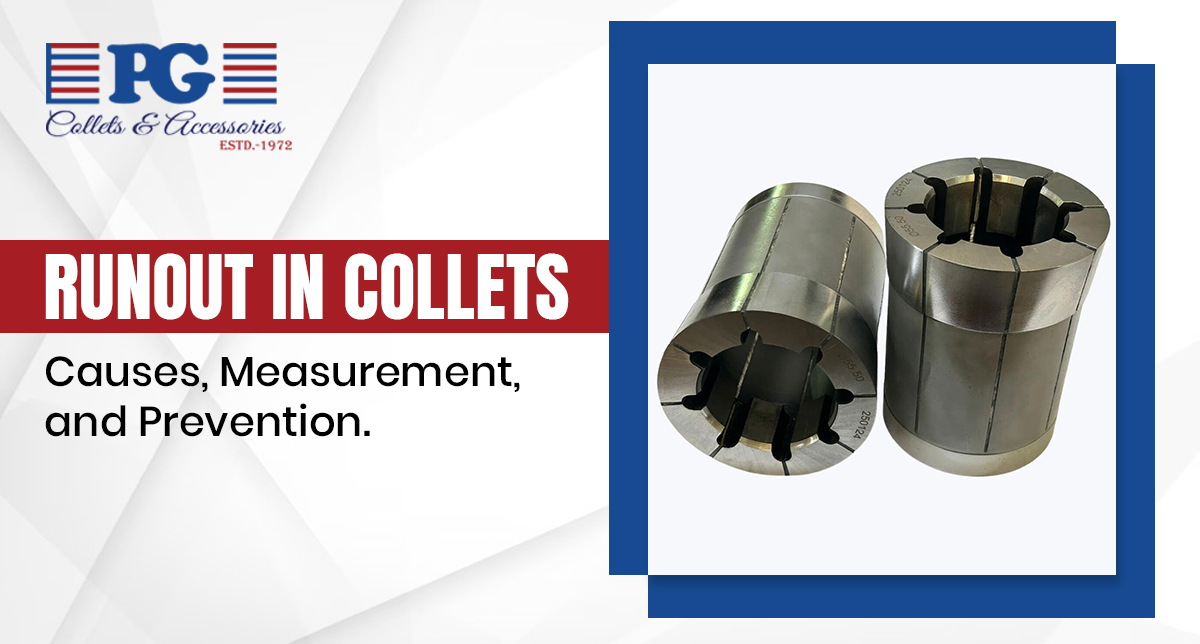
Runout in Collets: Causes, Measurement, and Prevention

Precision machining depends heavily on workholding accuracy. Even the smallest deviation in tool alignment can affect surface finish, dimensional tolerance, and tool life. One of the most common accuracy challenges in machining systems is runout, especially when using collets in milling, drilling, and CNC operations. Understanding runout, its causes, and how to prevent it is essential for maintaining machining consistency and improving productivity.

In this guide, we’ll explain runout in detail, how it is measured, and what manufacturers and machinists can do to minimize it. With high-quality solutions from PG Collets, proper workholding accuracy becomes easier to achieve and maintain.

What Is Runout in Machining?

Runout refers to the deviation of a rotating tool from its true central axis. When a cutting tool spins unevenly, it creates vibration, uneven cutting pressure, and premature tool wear. In precision machining, even a few microns of runout can significantly impact performance.

High-quality collet are designed to hold tools concentrically inside the spindle or chuck, ensuring stable and accurate rotation. When runout occurs, it often indicates issues with the tool holder, spindle, contamination, or the workholding component itself.

Why Runout Matters in Machining Operations

Runout directly affects machining performance in several ways:

  • Reduced tool life due to uneven load distribution
  • Poor surface finish on machined parts
  • Increased vibration and noise
  • Inconsistent dimensional accuracy
  • Higher machine maintenance costs

Using precision-engineered collets helps maintain concentricity and improves machining reliability across operations such as CNC milling, turning, and drilling.

Common Causes of Runout

Understanding the root causes of runout is the first step toward preventing it.

1. Worn or Damaged Tool Holders

Tool holders and collet can wear over time due to repeated clamping cycles. Even minor deformation can lead to alignment errors.

2. Dirt, Chips, or Coolant Residue

Contamination inside a collet or spindle taper is one of the most common reasons for runout. Tiny particles can prevent proper seating and alignment.

3. Incorrect Clamping Force

Over-tightening or under-tightening affects how securely collets grip the cutting tool, which can cause imbalance during rotation.

4. Poor Tool Quality or Bent Tools

Even with high-quality collets, a bent or low-precision cutting tool can introduce measurable runout.

5. Spindle Wear

Machine spindle bearings degrade over time, contributing to rotational inaccuracy even when using precision collets.

Types of Collets Used in Machining

Different machining applications require specific workholding solutions. Understanding the types of collets helps machinists select the right option for accuracy and durability.

Common categories include:

Each of these collet types and sizes is designed for specific machines and tolerance requirements.

Types of Collet Chuck Systems

The chuck plays a major role in minimizing runout. Some widely used types of collet chuck systems include:

  • ER collet chucks
  • Hydraulic collet chucks
  • Shrink-fit collet chucks
  • Dead-length collet chucks
  • Quick-change collet chucks

Precision-engineered collet paired with the correct chuck system significantly reduce vibration and improve machining stability.

How Runout Is Measured

Runout measurement is typically performed using a dial indicator. The process involves rotating the spindle slowly while checking deviation at the cutting tool or holder.

Basic Measurement Steps

  1. Insert the cutting tool into the collet.
  2. Secure the tool in the spindle.
  3. Position a dial indicator against the tool surface.
  4. Rotate the spindle manually.
  5. Record the total indicator reading (TIR).

High-precision machining typically requires runout below 10 microns, depending on the application. Premium-grade collet are manufactured to maintain tight tolerance control and reduce TIR values.

The Role of Collet Manufacturing in Runout Control

Runout performance depends greatly on collet manufacturing quality. Precision grinding, material selection, and heat treatment all contribute to dimensional stability.

The collet manufacturing process generally includes:

  • Alloy steel selection
  • CNC machining
  • Precision grinding
  • Slot cutting
  • Heat treatment
  • Surface finishing
  • Quality inspection

High-accuracy collet produced through controlled manufacturing processes ensure consistent clamping force and concentricity.

How to Prevent Runout

Preventing runout requires a combination of proper maintenance, correct tool selection, and high-quality workholding components.

Clean All Contact Surfaces

Always clean the spindle taper, tool shank, and collet before installation.

Inspect Components Regularly

Check collet and tool holders for wear, cracks, or deformation.

Use Proper Torque

Follow manufacturer torque specifications to ensure collets clamp tools correctly.

Replace Worn Components

Old or damaged collets should be replaced to maintain machining accuracy.

Choose High-Precision Manufacturing

Selecting products from reliable manufacturers ensures consistent performance and reduced runout.

Benefits of Using High-Quality Collet

Investing in premium workholding solutions provides measurable advantages:

  • Improved machining accuracy
  • Longer tool life
  • Reduced vibration
  • Better surface finish
  • Consistent production quality

Professionally engineered collets play a critical role in achieving repeatable machining results across industries such as automotive, aerospace, and tool manufacturing.

Conclusion

Runout is a small measurement with a big impact on machining performance. By understanding its causes, measurement methods, and prevention strategies, machinists can significantly improve productivity and tool life.

Choosing precision-engineered collet, maintaining clean equipment, and following proper installation practices are essential steps toward minimizing runout. Manufacturers that focus on quality materials, precision grinding, and strict inspection standards deliver the most reliable performance.

At PG Collets, precision and durability are at the core of every product. With advanced collet manufacturing process control and strict quality standards, PG Collets provides dependable solutions for modern machining environments.

FAQs

What is acceptable runout in machining?

Most precision machining applications require runout between 5–10 microns, depending on the tooling and material.

How often should collets be replaced?

Replacement depends on usage frequency, clamping pressure, and maintenance practices. Regular inspection helps determine when replacement is needed.

Can runout damage cutting tools?

Yes. Runout causes uneven cutting pressure, which can lead to premature tool wear or breakage.

Do all types of collets have the same accuracy?

No. Accuracy depends on manufacturing quality, material, and design tolerances.

How can I reduce runout quickly?

Clean the spindle taper, inspect the tool holder, verify torque settings, and use high-quality collets.

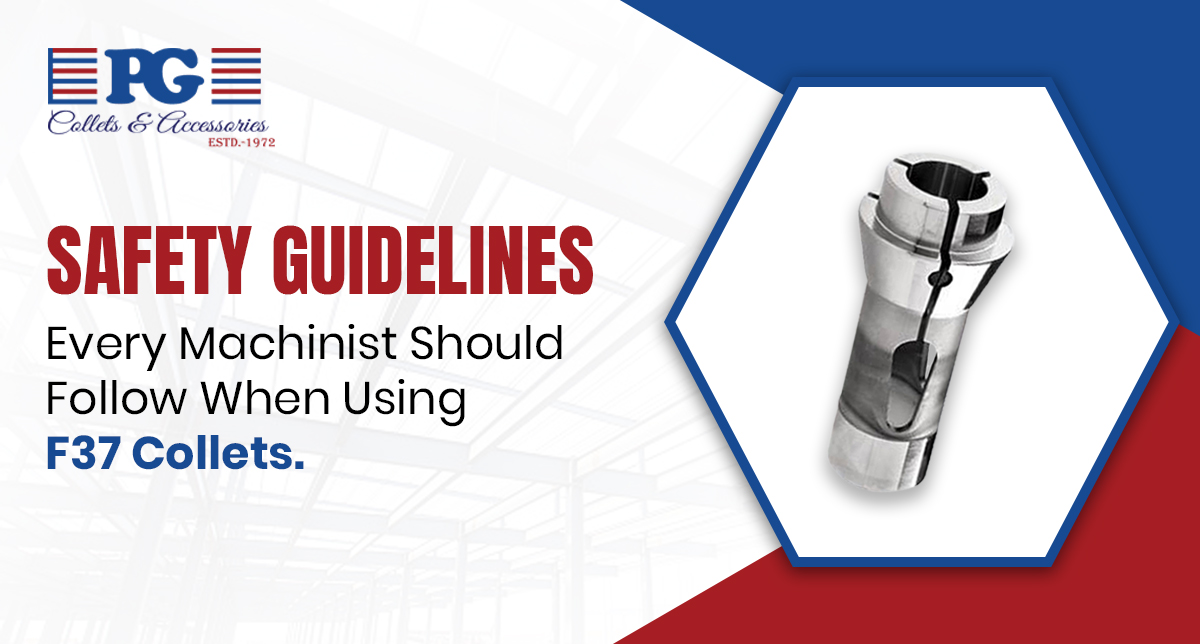
Safety Guidelines Every Machinist Should Follow When Using F37 Collets

Precision machining depends not only on skill and machine capability but also on the correct and safe use of tooling components. Among these, F37 Collets play a critical role in holding cutting tools securely and ensuring accurate machining results. While collets are designed for strength, precision, and reliability, improper handling or usage can lead to tool failure, machine damage, or even serious injury.

This article outlines essential safety guidelines every machinist should follow when working with F37 collet, helping ensure safe operations, consistent performance, and longer tool life. Drawing on best practices and industry experience, these guidelines are especially relevant for workshops aiming to maintain high safety and quality standards.

Understanding the Role of F37 Collets in Machining

F37 collets are widely used in precision machining applications where accurate tool clamping and minimal runout are essential. Like other high-quality collets, they are designed to grip tools firmly while maintaining concentricity at high speeds.

Because collets directly influence cutting stability, any error in their use can compromise machining accuracy and safety. Understanding how F37 collets function—and respecting their design limits—is the first step toward safe and efficient operations.

Inspect Collets Before Every Use

One of the most overlooked safety steps is routine inspection. Before installing F37 collets, machinists should always check for visible signs of wear, cracks, deformation, or corrosion.

Even minor damage can affect clamping force and lead to tool slippage during operation. Dirt, metal chips, or oil residue inside the collet slots can also prevent proper seating. Cleaning the collet thoroughly before use ensures consistent grip and reduces the risk of unexpected tool movement.

Use the Correct Collet Size for the Tool

Using the correct collet size is essential for both safety and performance. F37 collets are manufactured to precise tolerances, and attempting to clamp tools outside the recommended diameter range can cause uneven pressure distribution.

Oversized or undersized tools may appear to fit initially, but they can loosen under rotational force. This not only affects machining accuracy but also creates a serious safety hazard. Machinists should always verify tool shank dimensions and match them precisely with the appropriate collet.

Ensure Proper Installation and Seating

Improper installation is a common cause of collet-related accidents. When mounting F37 collets, it is important to ensure they are fully seated in the collet nut or holder before inserting the cutting tool.

The collet should snap into position smoothly without force. Forcing a collet into place can deform its structure, reducing clamping efficiency. Once installed, the tool should be inserted to the recommended depth to maintain balance and stability during operation.

Follow Recommended Torque Specifications

Over-tightening or under-tightening collets is a frequent mistake in machining environments. Excessive torque can damage F37 collets, collet nuts, and tool holders, while insufficient tightening may result in tool slippage.

Using a calibrated torque wrench helps apply consistent and manufacturer-recommended torque levels. This not only improves safety but also extends the service life of collets and associated tooling components.

Maintain Clean Tooling and Work Environment

Cleanliness directly impacts the performance of collets. Dust, chips, coolant residue, or oil buildup can interfere with proper clamping. Machinists should regularly clean F37 collets, tool holders, and mating surfaces using appropriate cleaning solutions.

A clean work environment also reduces the risk of contaminants entering the collet system. Simple practices such as wiping tools before insertion and storing collets in protective cases can significantly improve safety and reliability.

Avoid Exceeding Speed and Load Limits

Every collet is designed to operate within specific speed and load parameters. Running tools beyond recommended RPM limits can cause excessive centrifugal force, reducing clamping pressure and increasing the risk of tool ejection.

Similarly, aggressive cutting parameters that exceed the holding capacity of collets can lead to vibration, chatter, and premature failure. Machinists should always consider the application requirements and select cutting conditions that align with the capabilities of F37 collets.

Replace Worn or Damaged Collets Promptly

Collets are precision components that wear gradually over time. Continuous use, frequent tool changes, and exposure to harsh conditions can reduce their effectiveness.

Ignoring early signs of wear can compromise safety and machining accuracy. Establishing a routine replacement schedule for collets helps prevent unexpected failures and maintains consistent performance across operations.

Store Collets Properly When Not in Use

Proper storage is often underestimated but plays a key role in collet longevity. F37 collets should be stored in clean, dry environments away from moisture and contaminants.

Using dedicated racks or cases prevents accidental damage and makes it easier to identify the correct collet when needed. Organized storage also reduces handling time and minimizes the risk of using damaged or incorrect collets.

Invest in Quality Collets from Trusted Manufacturers

Safety in machining starts with the quality of tooling. High-quality collets are manufactured using superior materials and precise engineering, ensuring consistent grip and durability.

PG Collets focuses on delivering reliable collets designed for demanding industrial applications. By choosing well-engineered solutions, machinists can reduce operational risks and improve overall workshop efficiency.

Conclusion

Safe machining practices depend on attention to detail, proper handling, and the use of reliable tooling components. Following these safety guidelines when working with F37 Collets helps machinists achieve stable clamping, accurate results, and a safer working environment. From routine inspection and correct installation to proper maintenance and storage, every step plays a role in minimizing risk and maximizing performance.

For workshops and manufacturers seeking dependable solutions from a trusted collet manufacturer in india, PG Collets continues to deliver precision-engineered collets that support safety, consistency, and long-term machining success.

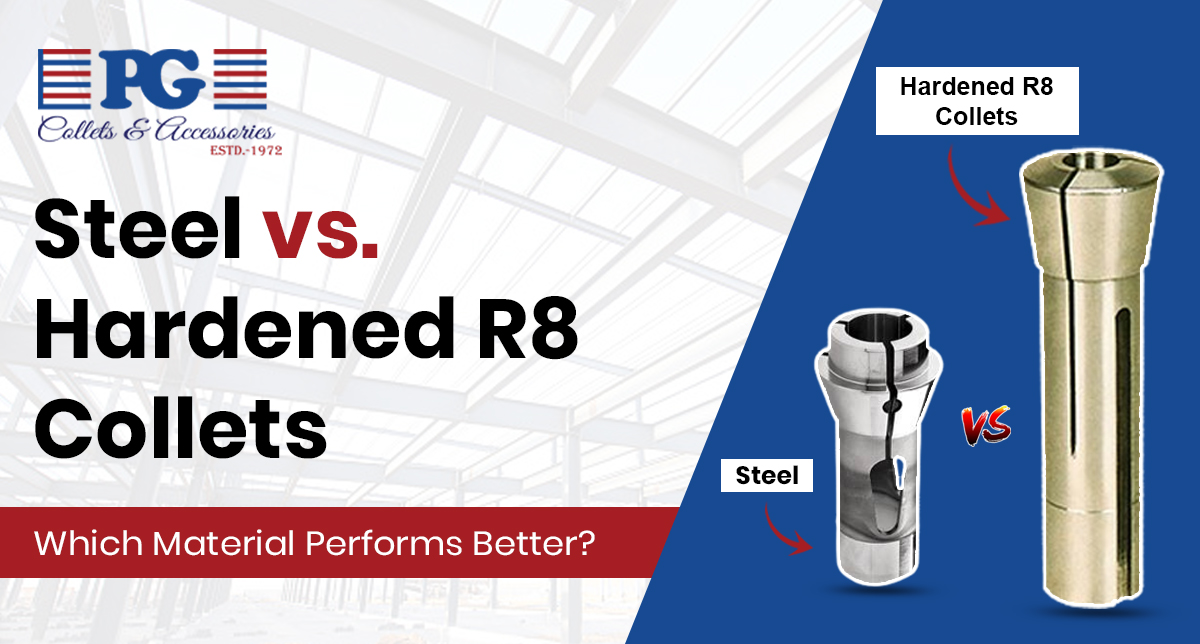
Steel vs Hardened R8 Collets: Which Material Performs Better?

When it comes to machining precision, tool holding plays a pivotal role. Among the most trusted tool holders in milling applications is the R8 collet — a versatile and widely used choice among machinists across industries. However, not all R8 collets are created equal. One of the most critical decisions for workshops, manufacturers, and CNC hobbyists alike is choosing between steel and hardened R8 collets. In this comprehensive blog, we’ll explore the differences between these two materials, examine their performance traits, and help you make an informed choice for your specific needs.

As a leading collet manufacturer in India, PG Collets aims to shed light on what makes each material unique and how it affects machining outcomes. Whether you are selecting a standard r8 collet for everyday use or upgrading to hardened variants for demanding applications, this guide is for you.

Understanding R8 Collets

Before diving into material differences, let’s first understand what an R8 collet is and why it’s so popular.

The R8 tool holder system was first developed by the Bridgeport Machine Company and has since become an industry standard in light to medium-duty milling machines. The R8 collet is designed to provide accurate tool holding by gripping the shank of cutting tools — such as end mills, drills, reamers, or taps — securely and concentrically.

Key features of an R8 collet include:

  • Broad range of sizes (commonly from 1/32″ to 1/2″)
  • High gripping accuracy and repeatability
  • Compatibility with many milling machines
  • Easy insertion and removal

However, the performance of the R8 collet depends heavily on the material it’s made from.

Why Material Matters in Collets

The material of a collet significantly impacts its durability, precision, wear resistance, and overall performance. An R8 collet constantly endures mechanical stresses, friction, and vibration during machining. For these reasons, manufacturers must choose materials that withstand such stresses while maintaining dimensional stability.

Two popular material choices in the market are:

  1. Standard Steel R8 Collets
  2. Hardened R8 Collets

Both options have their advantages and limitations, depending on the type of machining you perform.

Standard Steel R8 Collets

Standard steel collets are typically manufactured from high-quality carbon or alloy steels. These materials are chosen for their balance of strength, cost-effectiveness, and machinability.

Pros of Steel R8 Collets

  • Cost-Effective: Steel collets are generally more economical than hardened alternatives, making them ideal for budget-conscious users.
  • Versatile Performance: They provide good performance for general-purpose machining, especially in applications with light to moderate cutting forces.
  • Ease of Manufacture: As a collet manufacturer in India, PG Collets maintains rigorous quality standards, ensuring even steel collets deliver reliable gripping precision for everyday use.

Limitations of Steel R8 Collets

  • Lower Wear Resistance: Standard steel, without additional hardening treatment, is more prone to wear over time, especially when used with highly abrasive materials or heavy-duty machining.
  • Reduced Lifespan: Under continuous or high-stress applications, steel collets may deform or lose gripping accuracy quicker than hardened variants.

While steel r8 collet options are perfectly suited for many users, certain applications demand higher performance and longer tool life.

Hardened R8 Collets

Hardened R8 collets are steel collets that have undergone additional heat treatment to increase surface hardness and strength. Common hardening processes include carburizing, induction hardening, or through-hardening, which enhance wear resistance and mechanical durability.

Benefits of Hardened R8 Collets

  • Superior Wear Resistance: Due to heat treatment, hardened collets resist surface wear caused by repeated tightening and cutting operations.
  • Enhanced Precision: Hardening helps maintain the collet’s dimensional stability, reducing the risk of deformation and ensuring consistent tool gripping.
  • Longer Lifespan: Hardened collets typically outlast standard steel counterparts, especially in high-volume or abrasive machining contexts.

Ideal Use Cases for Hardened R8 Collets

  • Production Environments: Where tools are changed frequently and operations run continuously.
  • High-Speed Machining: Where vibration and friction are more intense.
  • Tight Tolerance Work: Precision components requiring repeatable, accurate tool holding benefits from the stability of hardened collets.

However, hardened collets come at a higher price point due to the additional processing involved.

Steel vs. Hardened R8 Collets — Performance Comparison

Let’s directly compare how standard steel and hardened R8 collets stack up across crucial performance factors:

Factor Steel R8 Collet Hardened R8 Collet
Cost Lower Higher
Wear Resistance Moderate Excellent
Precision Over Time May degrade with use Maintains accuracy
Suitable for Heavy Use Moderate Excellent
Best for High-Speed Machining Not ideal Very suitable
Lifespan Shorter Longer

From the table above, it’s clear that hardened collets outperform standard steel collets in demanding environments. However, for hobbyists and light-duty milling, a steel R8 collet may be entirely adequate.

Which One Should You Choose?

Selecting between steel and hardened R8 collets depends on your specific machining needs:

Choose Steel R8 Collets If:

  • You are working on light-to-medium duty operations
  • Your applications do not involve high temperatures or extreme cutting forces
  • You are focused on cost-effective tooling

Choose Hardened R8 Collets If:

  • You require higher durability and wear resistance
  • Your milling work involves high speeds or high-volume production runs
  • Precision and consistency are critical

Best Practices for R8 Collet Care

Regardless of the material, proper care significantly extends the life and performance of your collets. Here are some practical tips:

  • Clean Thoroughly: Always remove chips, debris, and coolant residue before installing the collet.
  • Proper Torque: Avoid overtightening, which can deform the collet and reduce gripping accuracy.
  • Regular Inspection: Periodically check collets for wear, chipping, and loss of tension.
  • Use Quality Tooling: Invest in collets from reputable collet manufacturer in India to ensure you get reliable performance and longevity.

Why Choose PG Collets?

As a trusted collet manufacturer in India, we are specializes in producing high-quality R8 collets and other tool holding solutions for a wide variety of industries. Here’s why customers prefer our products:

  • Precision Engineering: Every collet is manufactured under strict quality control to ensure precision and durability.
  • Wide Range of Options: We offer both standard steel and hardened R8 collets to match the requirements of different applications.
  • Material Excellence: Our materials are selected for their mechanical properties, ensuring each collet performs reliably under stress.
  • Customer Support: Professional guidance to help you choose the right collet for your machining setup.

Investing in the right collet can dramatically impact machining quality, tool life, and productivity — and PG Collets is your partner in achieving top-tier results.

Conclusion

Choosing between steel and hardened R8 collets boils down to performance needs and application demands. Standard steel collets offer affordability and utility for general purposes, while hardened collets provide superior wear resistance, precision, and longevity for more rigorous machining environments.

No matter your choice, selecting high-quality tooling from a reputable collet manufacturer in India like PG Collets ensures dependable performance and value over time.

We hope this blog helps you make the right decision for your milling needs. For expert advice or to explore our range of R8 collets, feel free to get in touch with PG Collets today!

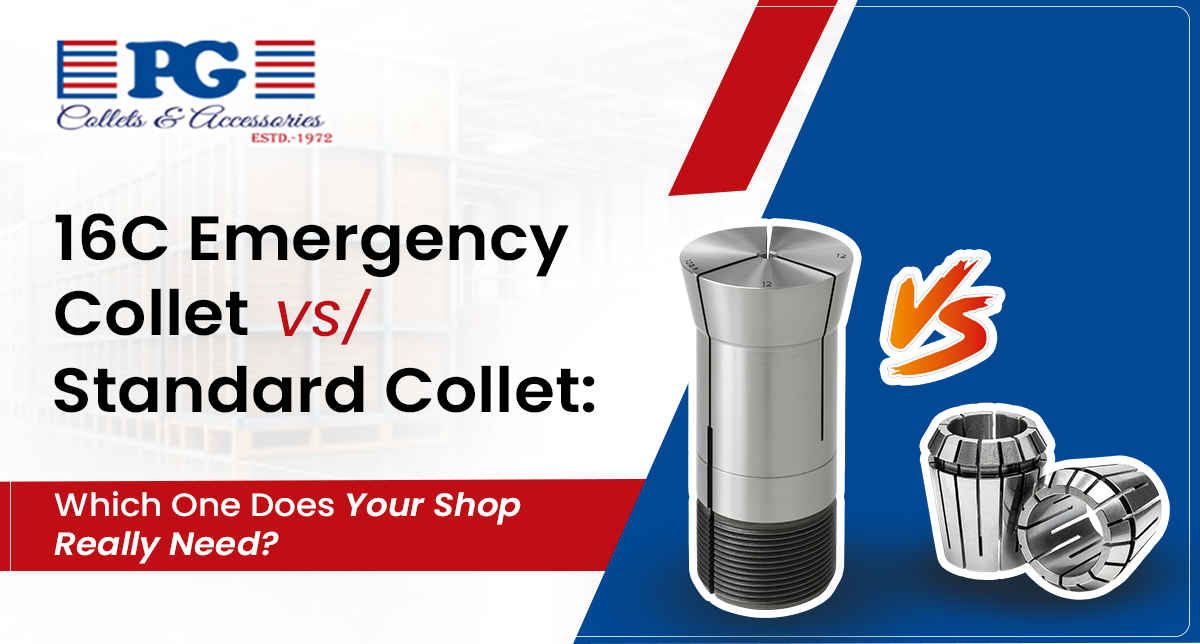
16C Emergency Collet vs. Standard Collet: Which One Does Your Shop Really Need?

Choosing the right workholding solution is critical for accuracy, efficiency, and productivity in any machine shop. Among the most commonly used options are the 16C Emergency Collet and the Standard Collet. While both serve the same fundamental purpose—securely holding workpieces—their applications, flexibility, and long-term value can differ significantly.

Understanding the strengths and limitations of each collet type can help shop owners and machinists make informed decisions that align with their production needs.

Understanding Collets in Machining Operations

Collets are precision components designed to grip cylindrical or hexagonal workpieces during machining operations. They provide better concentricity, faster setup times, and more uniform clamping compared to traditional chucks.

Both emergency and standard collets are widely used in turning, grinding, and milling applications. However, the choice between them depends on factors such as job volume, part variety, tolerance requirements, and cost considerations.

What Is a Standard Collet?

A Standard Collet is a ready-to-use workholding tool manufactured to fixed internal dimensions. It is designed to hold workpieces of specific sizes within a defined tolerance range.

Key Characteristics of Standard Collets

  • Pre-machined bore with precise tolerances
  • Ready for immediate use
  • Ideal for repetitive production runs
  • Consistent gripping accuracy

Standard collets are commonly used in high-volume environments where part dimensions remain constant. Their simplicity and reliability make them a staple in many machine shops.

Benefits of Using a Standard Collet

Consistent Accuracy

Because standard collets are factory-finished, they offer excellent concentricity and repeatability. This consistency is crucial for precision machining tasks where tight tolerances must be maintained.

Faster Setup Times

Since no additional machining is required, operators can install and use a standard collet immediately. This saves time during setup and changeovers, especially in production-focused operations.

Lower Initial Cost

For shops producing the same parts repeatedly, standard collets are cost-effective. There is no need for customization, which helps keep tooling expenses predictable.

Limitations of Standard Collets

Despite their advantages, standard collets have limitations. Their fixed bore size means they lack flexibility when dealing with non-standard or custom parts. If a job requires a slightly different diameter, a new collet may be needed.

For job shops handling varied or one-off components, relying solely on standard collets can increase tooling inventory and costs over time.

What Is a 16C Emergency Collet?

A 16C Emergency Collet is supplied with an undersized or blank bore that can be machined to fit a specific workpiece. This customization allows the collet to match the exact dimensions of the part being held.

Emergency collets are particularly valuable when dealing with special diameters, thin-walled parts, or components requiring exceptional concentricity.

Advantages of a 16C Emergency Collet

Custom Fit for Precision

One of the biggest advantages of a 16C emergency collet is its ability to be machined for a perfect fit. This minimizes runout and ensures superior gripping accuracy, even for delicate or irregular components.

Greater Flexibility

Emergency collets are ideal for shops that frequently work on custom jobs or prototypes. A single collet can be modified for different applications, reducing the need for extensive tooling inventories.

Improved Holding for Delicate Parts

Because the bore is machined specifically for the workpiece, clamping pressure is distributed evenly. This reduces the risk of part deformation, making emergency collets suitable for thin or soft materials.

When a Standard Collet Makes More Sense

A standard collet is often the better choice when:

  • Running high-volume production jobs
  • Machining parts with consistent dimensions
  • Prioritizing speed and simplicity
  • Minimizing setup complexity

In such cases, the reliability and convenience of a standard collet outweigh the need for customization.

When to Choose a 16C Emergency Collet

A 16C emergency collet is the preferred option when:

  • Handling custom or non-standard part sizes
  • Producing prototypes or short-run jobs
  • Working with fragile or thin-walled components
  • Requiring maximum concentricity

Shops that value adaptability and precision often find emergency collets to be a smart long-term investment.

Comparing Cost vs. Value

While a standard collet typically has a lower upfront cost, it may not always offer the best value. For shops dealing with varied job requirements, the ability to customize an emergency collet can reduce the need to purchase multiple fixed-size collets.

In contrast, production-focused shops benefit from the predictability and lower per-part cost of standard collets.

Making the Right Choice for Your Shop

The decision between a 16C Emergency Collet and a Standard Collet depends on your shop’s workflow. Many successful machine shops keep both options available—standard collets for routine jobs and emergency collets for specialized tasks.

This balanced approach ensures readiness for diverse machining challenges without compromising efficiency or accuracy.

A Reliable Partner for Precision Collets

Selecting high-quality collets is just as important as choosing the right type. PG Collets focuses on delivering precision-engineered collet solutions designed to meet the demands of modern machining environments. Their products support both production efficiency and customization needs, helping shops maintain accuracy and reliability.

Conclusion

Both standard and emergency collets play essential roles in machining operations. A Standard Collet excels in repetitive, high-volume work, while a 16C Emergency Collet offers unmatched flexibility and precision for custom applications.

By understanding your shop’s requirements and balancing cost with versatility, you can choose the right collet solution that supports productivity, accuracy, and long-term success.

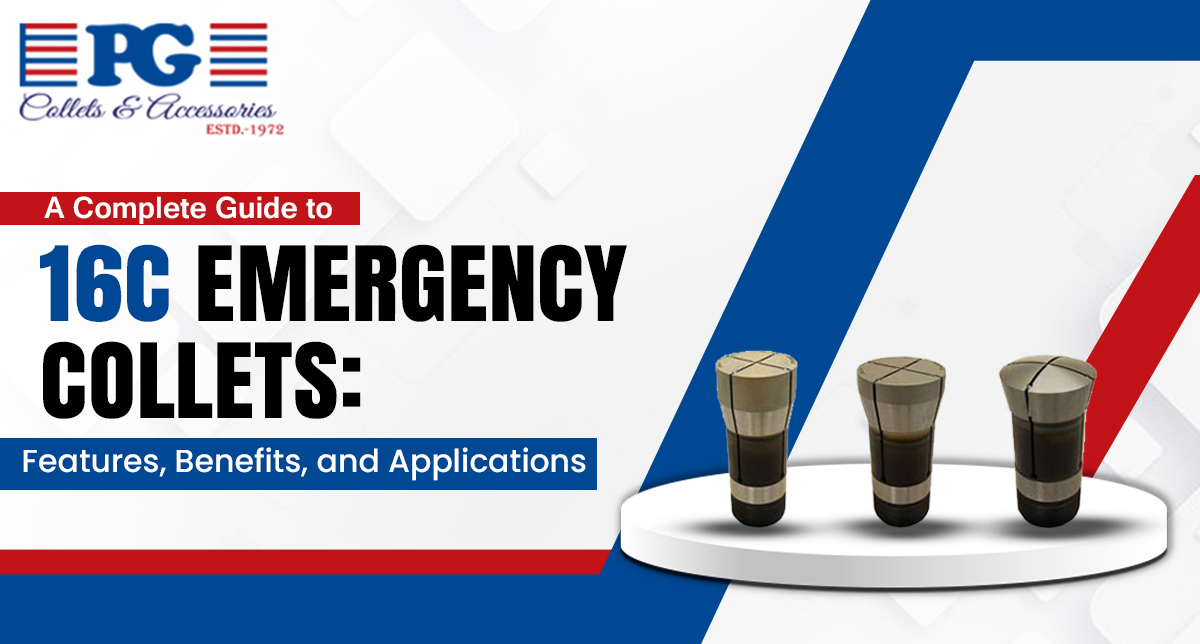
A Complete Guide to 16C Emergency Collets: Features, Benefits, and Applications

Precision machining relies heavily on the right tooling, and among the most essential components in this process are collets. They ensure secure workpiece holding, consistent accuracy, and smooth machining operations. While standard collets work for fixed parameters, many industries face situations where they need custom gripping capabilities. This is where the 16C Emergency Collets proves its value. Designed for flexibility and rapid customization, it has become a preferred choice for machinists who handle diverse or irregular workpieces.

This guide explores the features, benefits, and applications of the 16C Emergency Collet, helping you understand why it is such a valuable tool in modern machine shops. Manufacturers like PG Collets continue to enhance the usability and precision of these collets, making them reliable for demanding environments.

Understanding the 16C Emergency Collets

Collets are workholding devices used in lathes, CNC turning centers, and grinders. The 16C Emergency Collets belongs to the widely used 16C series, known for its large gripping range, rigidity, and compatibility with industrial machines. However, what sets the emergency version apart is its machinability. Unlike standard 16C collets—which come pre-sized—the emergency version has a machinable face, allowing operators to bore or shape the inside to match specific workpiece requirements.

This flexibility reduces downtime and eliminates the need to buy multiple custom collets. When workpieces vary frequently in size or profile, an emergency collet becomes an economical and practical solution.

Key Features of the 16C Emergency Collets

1. Machinable Front for Customization

The most important feature is the soft machinable face. Machinists can bore the collet to exact dimensions, ensuring a perfect fit for any custom diameter. This capability is especially valuable when working with short production runs or irregular shapes.

2. Compatibility With Standard 16C Systems

A 16C collet system is commonly found in turning centers due to its strength and reliability. The emergency version fits perfectly into these systems without requiring modifications, making it easy to integrate into existing setups.

3. High Rigidity and Clamping Power

Despite having a machinable face, the collet maintains excellent rigidity. It delivers consistent clamping pressure, ensuring the workpiece stays firmly in place even during heavy cuts or high-speed machining.

4. Availability in Different Materials

Emergency collets are usually offered in:

  • Steel
  • Brass
  • Aluminum

Steel versions provide durability, while brass and aluminum options allow faster machining of the bore. This versatility helps operators choose the right collet based on job requirements.

5. Front and Back Pin Holes

These pin holes help in easy machining alignment. They allow the collet to be centered correctly in a fixture before boring, reducing errors and improving accuracy.

Benefits of Using a 16C Emergency Collets

1. Cost-Effective for Custom Jobs

Purchasing custom-made collets for every unique diameter can be expensive. The emergency version is much more economical since it can be machined repeatedly to suit different needs (within its usable limits).

2. Reduces Lead Time

Instead of waiting for a custom collet to be manufactured and shipped, machinists can bore the emergency collet in-house—saving days or even weeks of downtime.

3. Ideal for Low-Volume or Prototype Work

When machining a part that won’t be repeated often, using a standard collet is impractical. A 16C Emergency Collets is a fast and efficient option for prototypes, specialty components, and one-off jobs.

4. Improved Accuracy

Because the collet is machined to exact dimensions of the specific workpiece, it ensures near-perfect concentricity. This is critical for precision turning applications.

5. Multipurpose Applications

Emergency collets can hold round, square, hex, or irregular shapes, depending on how they are machined. This adaptability makes them valuable in workshops that handle diverse components.

Common Applications of 16C Emergency Collets

1. Custom and Small-Batch Manufacturing

Shops that frequently machine custom parts rely on emergency collets due to their versatility. They allow seamless transitions from one size or shape to another.

2. CNC Lathes and Turning Centers

Most modern CNC turning systems compatible with 16C collets can use the emergency version for complex setups.

3. Tool and Die Manufacturing

Precision is crucial in this industry. The collet’s ability to be machined to exact tolerances makes it ideal for tight-fitting components.

4. Repair and Maintenance Jobs

When a replacement part is needed urgently, having an emergency collet allows quick adaptation to nonstandard dimensions.

5. Machining of Irregular or Soft Materials

The ability to customize the bore helps in handling delicate materials such as plastics, copper, and soft alloys without damaging the surface.

How to Machine a 16C Emergency Collet Properly

To maximize performance and ensure accuracy, machinists typically follow these steps:

1. Mount the Collet Securely

Install the collet in the spindle or fixture and ensure it is seated properly.

2. Use Alignment Pins

Insert alignment pins into the pre-drilled holes to prevent rotation while machining.

3. Bore to the Required Diameter

Carefully machine the collet opening to the exact size needed. Use slow feeds and sharp tools to ensure a clean cut.

4. Deburr and Clean

Remove all burrs or chips from the machined surface. Any imperfections may affect grip quality.

5. Test Fit the Workpiece

Insert the workpiece and test for concentricity before starting the actual machining operation.

Following these steps helps maintain precision and extends the collet’s lifespan.

Conclusion

The 16C Emergency Collets is a versatile and indispensable tool for shops that require precision, flexibility, and fast turnaround. Whether used for prototypes, small batch work, or irregular shapes, it provides efficient workholding without the cost and delays of custom collets. With reliable performance, customizable features, and compatibility with standard 16C systems, it plays a crucial role in modern machining environments.

Manufacturers like PG Collets continue to support industries with high-quality collet solutions designed for durability and precision. For machinists seeking adaptability without compromising accuracy, the 16C Emergency Collet remains one of the smartest choices.

How to Select the Right R8 Collet Set for Your Milling Machine

Choosing the right tooling is essential for achieving accuracy, productivity, and reliability in any machine shop. When it comes to milling machines—especially Bridgeport-style mills—the R8 collet remains one of the most widely used and dependable workholding options. Its simplicity, rigidity, and ease of use have made it a preferred choice for machinists across industries. However, selecting the right R8 collet set involves more than just picking a size. Factors like material quality, accuracy grade, gripping strength, and compatibility play an important role in overall machining performance.

This guide walks you through everything you need to know to choose the right R8 collet set, helping you make an informed decision that enhances productivity and extends your tooling life. With decades of expertise, manufacturers like PG Collets and top collet manufacturers in India provide high-precision solutions suitable for both professional workshops and industrial applications.

Understanding the R8 Collet System

Before selecting the right collet set, it’s essential to understand what makes the R8 collet unique. Originally developed for Bridgeport milling machines, the R8 collets system uses a tapered shank with a drawbar to secure tooling in place. The design provides excellent alignment, making it ideal for tasks such as drilling, milling, reaming, and light cutting.

Key Advantages of the R8 Collet System

  • Simple installation using a drawbar
  • Strong gripping power for small to medium-size tools
  • Excellent concentricity, leading to smoother cuts
  • Wide availability of sizes and accessories
  • Cost-effective and reliable for general milling

Its versatility is one reason why so many machine shops continue to rely on R8 systems for daily operations.

Factors to Consider When Choosing the Right R8 Collet Set

Selecting an R8 collet involves more than selecting sizes. The following factors will help you determine the right set for your milling machine.

1. Accuracy and Runout Tolerance

One of the most important characteristics of an R8 collet is its runout accuracy. Lower runout means the tool remains more stable, resulting in:

  • Better surface finish
  • Reduced tool wear
  • Longer spindle life
  • Higher precision during fine milling

Professional-grade collets typically offer tighter runout tolerances. High-quality collets from manufacturers like PG Collets are designed to maintain accuracy even during continuous operation.

2. Material Quality

The material used in a collet determines its durability, gripping capability, and resistance to wear.

Common materials include:

  • High-carbon steel: Ideal for general purpose milling
  • Alloy steel: Provides greater strength and endurance
  • Hardened steel: Best for heavy or frequent machining

Premium collets undergo heat treatment to improve hardness and elasticity, ensuring they maintain their gripping power under load.

3. Size Range and Compatibility

R8 collets come in a range of sizes typically from 1/8″ to 3/4″. Before selecting a set, consider the type of tooling you frequently use:

  • End mills
  • Drill bits
  • Reamers
  • Boring bars

A complete set ensures you are ready for multiple operations. The collets must also be compatible with the spindle taper and drawbar threads of your milling machine. Most modern machines adhere to standard R8 specifications, but it’s always wise to verify before buying.

4. Gripping Strength and Stability

The performance of an R8 collet depends heavily on its gripping strength. Weak grip can lead to:

  • Tool slippage
  • Vibration
  • Poor finish
  • Potential tool breakage

Look for collets with precise slotting and uniform compression, ensuring the tool is held firmly and consistently.

5. Ease of Use and Maintenance

A good R8 collet set should be easy to install, remove, and maintain. Consider features like:

  • Smooth internal surface finish
  • Clean slot edges
  • Good spring tension
  • Rust-resistant coatings

Proper maintenance also extends the life of your collets. Regular cleaning, lubrication of the drawbar, and inspection for wear are essential parts of a well-run workshop.

6. Brand Reliability and Manufacturing Standards

When choosing collets, it’s important to trust reputable manufacturers. Companies like PG Collets and top collet manufacturers in India are known for producing precision-engineered collets that follow strict quality control processes.

Look for:

  • ISO-certified manufacturing
  • CNC-machined accuracy
  • Consistent quality across sizes
  • Good customer support and technical guidance

Investing in a quality brand ensures better long-term performance and reduced downtime.

Types of R8 Collet Sets Available

Depending on your workflow, you may need different types of collet sets:

Standard R8 Collet Sets

These include commonly used sizes and are ideal for general milling tasks.

Metric R8 Collet Sets

Useful if your tooling includes metric end mills or drills.

Precision R8 Collet Sets

Designed for tight tolerances and smooth finishing applications.

Specialty R8 Collet Sets

Include custom or less common sizes needed for specific tasks.

Each set caters to different machining needs, making it important to choose one based on the operations you frequently perform.

Common Mistakes to Avoid When Choosing R8 Collets

Even experienced machinists sometimes overlook critical factors. Avoid the following mistakes:

  • Choosing collets based on price alone
  • Using damaged or worn-out collets
  • Ignoring runout tolerance
  • Purchasing incompatible sizes
  • Not considering future tooling requirements

Avoiding these errors improves accuracy and extends tooling life.

Best Practices for Using Your R8 Collet Set

To get maximum performance from your collet set:

  • Always clean the collet and spindle bore before installation
  • Avoid overtightening the drawbar
  • Replace worn collets immediately
  • Use appropriate cutting speeds and feed rates
  • Store collets in a protective case to prevent rust or damage

Consistent care ensures better results and safer machining.

Conclusion

Selecting the right R8 collet set is essential for achieving precision, efficiency, and reliability in milling operations. By considering factors such as accuracy, material quality, gripping strength, and compatibility, machinists can ensure optimal performance from their milling machines. Investing in high-quality collets from trusted manufacturers like PG Collets helps maintain consistency and reduces the chances of machining errors.

Whether you’re handling routine milling tasks or high-precision jobs, the right R8 collet set can significantly improve results and enhance productivity in your workshop.

How Collets Improve Tool Performance and Accuracy in CNC Machines

Precision is the foundation of modern machining. Whether manufacturing automotive components, aerospace parts, or high-accuracy metal pieces, CNC machines must deliver consistent results with minimal deviation. One of the most crucial elements behind this precision is the collets —a small yet powerful tool-holding device that often goes unnoticed but plays a major role in performance and accuracy.

Collets are designed to securely hold cutting tools or workpieces during machining operations. Their ability to deliver outstanding grip, repeatability, and alignment makes them essential in CNC machining setups. From the widely used R8 collet to the versatile 5C collet, and heavy-duty models like 16C collet and 3J collet, each type serves a unique purpose depending on the tool or operation.

Understanding the Role of Collets in CNC Machines

Before exploring the benefits, it’s important to understand what a collet does. A collet is a cylindrical sleeve that forms a collar around a tool or workpiece. When tightened, it clamps evenly around the object, providing a secure and precise hold.

Why Collets Are Used in CNC Machining

  • To grip tools with high concentricity
  • To reduce tool runout
  • To improve machining stability
  • To enhance cutting accuracy
  • To minimize tool vibration

Unlike standard tool holders, collets offer uniform clamping pressure, which directly enhances machining quality.

1. Improved Tool Accuracy and Reduced Runout

One of the biggest factors affecting machining precision is tool runout, which refers to the tool’s deviation from its true rotational axis. Even slight runout can cause:

  • Poor surface finish
  • Uneven cutting
  • Excess tool wear
  • Dimensional inaccuracies

Collets, particularly precision-engineered models like R8 collets and 5C collets, drastically reduce runout by centering the tool with exceptional accuracy. This results in tighter tolerances and more consistent machining.

Why This Matters in CNC Work

When machining high-precision components, even a few microns of error can compromise quality. A reliable collet ensures the tool stays perfectly aligned, allowing CNC machines to achieve the desired accuracy throughout the operation.

2. Enhanced Grip Strength and Stability

Cutting tools face enormous forces during machining. Without a strong grip, tools can slip, vibrate, or shift during cutting—all of which can damage the machine, the tool, and the workpiece.

Collets apply 360-degree clamping pressure, creating a secure and uniform hold. Heavy-duty options such as 16C collets and 3J collets are specifically designed to handle larger tools and more demanding applications.

Benefits of a Strong Tool Hold

  • Better cutting efficiency
  • Reduced vibration
  • Longer tool life
  • Fewer chances of tool pull-out
  • Improved machining safety

A stable tool equals stable cutting, and that directly improves product quality.

3. Better Surface Finish

The smoother the machining process, the better the surface finish of the final part. Collets play an important role here—by minimizing vibration and maintaining firm tool alignment, they ensure the cutting edges engage smoothly.

How Collets Help Improve Surface Quality

  • Reduced chatter
  • Enhanced cutting smoothness
  • More consistent tool paths
  • Clean, polished surface output

Whether using a 5C collet for turning operations or an R8 collet for milling applications, the result is superior finishing with fewer secondary processes required.

4. Increased Tool Life and Reduced Costs

Tools wear out faster when there’s vibration, misalignment, or inconsistent cutting pressure. Since collets provide uniform clamping and minimize runout, they protect tools from uneven cutting loads.

Longer Tool Life Means:

  • Lower replacement costs
  • More reliable machining cycles
  • Better performance over time
  • Reduced downtime

High-quality collets ensure cutting tools operate under optimal conditions, improving durability and consistency.

5. Greater Versatility Across Machining Operations

Different CNC operations—milling, turning, drilling, grinding—require different levels of grip, reach, and tool compatibility. This is why various collet systems exist:

Common Collet Types Used in CNC Machines

  • R8 Collet: Popular in milling machines, offering excellent precision for lighter machining jobs.
  • 5C Collet: Widely used for workholding and tool holding in lathes and grinders.
  • 16C Collet: Designed for heavy-duty applications, offering superior grip for larger diameters.
  • 3J Collet: Ideal for high-strength gripping in industrial turning and chucking operations.

Each type provides unique advantages, making collets essential across multiple machining industries.

6. Fast Tool Changes and Higher Productivity

Time is a crucial factor in machining environments. Collets are known for their quick tool-change capabilities, which helps streamline workflow and reduce downtime.

Productivity Benefits of Using Collets

  • Fast clamping and unclamping
  • Easy tool replacement
  • Minimized machine idle time
  • Improved workflow efficiency

Operators can switch between tools quickly without compromising precision.

7. Consistent Repeatability

In manufacturing, repeatability is as important as accuracy. Whether producing one piece or thousands, results must remain consistent. Collets provide outstanding repeatability due to their self-centering design and tight grip.

Why Repeatability Matters

  • Maintains uniformity in mass production
  • Reduces waste
  • Ensures consistent part quality
  • Supports automated CNC applications

A well-engineered collet setup ensures every machining cycle mirrors the last.

How to Choose the Right Collet for Your CNC Machine

The ideal collet depends on the application, tool size, and machine type. Key factors to consider:

  • Collet material and hardness
  • Clamping range
  • Tool shank diameter
  • Required accuracy
  • Type of machining (light, medium, or heavy)
  • Machine compatibility

Choosing the right collet system directly impacts machining efficiency and long-term performance.

Conclusion

Collets may seem small, but their impact on CNC machining is enormous. From improving accuracy and stability to enhancing tool life and surface finish, they ensure machines operate at peak performance. Whether you’re using an R8 collet for milling, a 5C collet for precision turning, or larger options like 16C collet or 3J collet, the right collet significantly elevates machining quality.

For manufacturers seeking reliable and precision-engineered solutions, PG Collets offers high-quality collet systems designed to meet modern CNC demands with accuracy, durability, and superior performance.

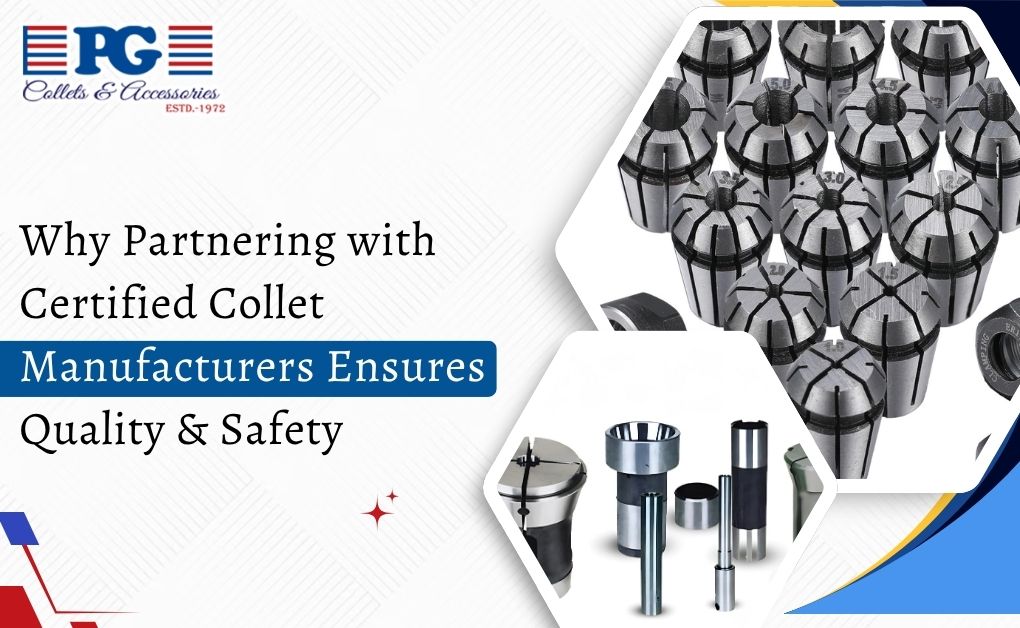
Why Partnering with Certified Collet Manufacturers Ensures Quality & Safety

In today’s fast-paced industrial environment, precision and reliability are non-negotiable. Whether it’s CNC machining, milling, or drilling, the tools and components you rely on define your productivity and safety standards. Among these, collets play a critical role in holding workpieces or tools securely in place, ensuring accuracy, and preventing costly mishaps. But here’s the catch: not all collets are created equal.

The Critical Role of Certified Collet Manufacturers

Partnering with certified collet manufacturers is more than just a compliance requirement—it’s a strategic decision that impacts efficiency, safety, and long-term cost savings. Certified manufacturers adhere to stringent quality standards and utilize advanced manufacturing processes to produce collets that are consistently precise and reliable.

Precision is paramount in industrial applications. A collet that doesn’t fit perfectly can cause vibrations, tool slippage, or misalignment, which may lead to defective products, machine wear, or even workplace accidents. Certified collet manufacturers prioritize precision at every stage of production, ensuring that each collet meets exacting tolerances.

Key Benefits of Partnering with Certified Suppliers

  • Consistency in Performance: Every collet manufactured meets strict quality benchmarks, reducing variability in production and minimizing downtime.
  • Enhanced Safety: Properly manufactured collets secure tools firmly, protecting both machinery and operators from potential hazards.
  • Reduced Risk of Equipment Damage: Inferior collets can damage expensive machines. Certified collet manufacturers deliver products that extend the lifespan of your equipment.
  • Efficiency Boost: High-quality collets minimize errors and interruptions, enabling smoother production workflows and higher throughput.

One faulty collet can halt production, damage expensive machinery, or even put workers at risk. Discover why partnering with certified collet manufacturers is the single smartest move you can make to ensure both quality and safety.

Why Certification Matters

Certification isn’t just a label; it’s a guarantee of quality, reliability, and adherence to international standards. When sourcing from a certified collet manufacturer in India, businesses benefit from:

  1. Advanced Manufacturing Techniques: Certified manufacturers employ cutting-edge machinery and precision engineering to produce collets that meet stringent tolerances.
  2. Stringent Quality Control: From raw material inspection to final product testing, certified collet manufacturers follow rigorous quality control protocols.
  3. Traceability: Certification ensures that each collet is traceable back to its production batch, enabling accountability and quality assurance.

How PG Collets Sets the Benchmark

At PG Collets, we understand the high stakes involved in industrial operations. As a leading name among collet manufacturers, we emphasize precision, reliability, and safety in every product. Our certified manufacturing processes guarantee collets that are:

  • Consistently precise and durable
  • Compatible with a wide range of industrial tools and machinery
  • Manufactured under strict quality control standards

By choosing PG Collets, businesses are not only ensuring compliance but also investing in long-term efficiency and operational safety.

Choosing the Right Collet Manufacturer

Selecting the right collet manufacturer in India is crucial for optimizing productivity and maintaining workplace safety. Consider these factors:

  • Certification & Quality Standards: Ensure the manufacturer adheres to international quality standards.
  • Product Range & Compatibility: Choose a manufacturer that offers a variety of collets suitable for your machinery.
  • Reputation & Reliability: Trusted manufacturers deliver consistent quality and timely supply.
  • After-Sales Support: Efficient support can help address technical issues and provide guidance on proper collet usage.

The Hidden Costs of Low-Quality Collets

Investing in substandard collets may seem cost-effective initially, but the hidden costs can be staggering:

  • Increased machine wear and maintenance costs
  • Frequent production interruptions
  • Higher risk of workplace injuries
  • Reduced product quality and customer dissatisfaction

Certified collet manufacturers mitigate these risks, offering products that deliver both performance and peace of mind.

Why PG Collets is the Ideal Partner

As a trusted brand in the industrial sector, PG Collets stands out for its commitment to quality, precision, and safety. By partnering with us, businesses gain access to:

  • Expertise in collet manufacturing with years of experience
  • Certified products that comply with international standards
  • Reliable supply chains ensuring timely delivery
  • Customized solutions to meet specific industrial requirements

Choosing PG Collets means choosing a partner who understands the value of safety, efficiency, and consistent performance.

Final Thoughts

Partnering with certified collet manufacturers isn’t just a regulatory formality—it’s a strategic move to enhance productivity, safeguard machinery, and protect operators. From precision engineering to rigorous quality control, certified manufacturers like PG Collets provide the assurance that your industrial operations run smoothly and safely.

Don’t compromise on quality or safety. Partner with PG Collets today to ensure precision, consistency, and peace of mind in every industrial application. Explore their range of certified collets at PG Collets and elevate your production standards.

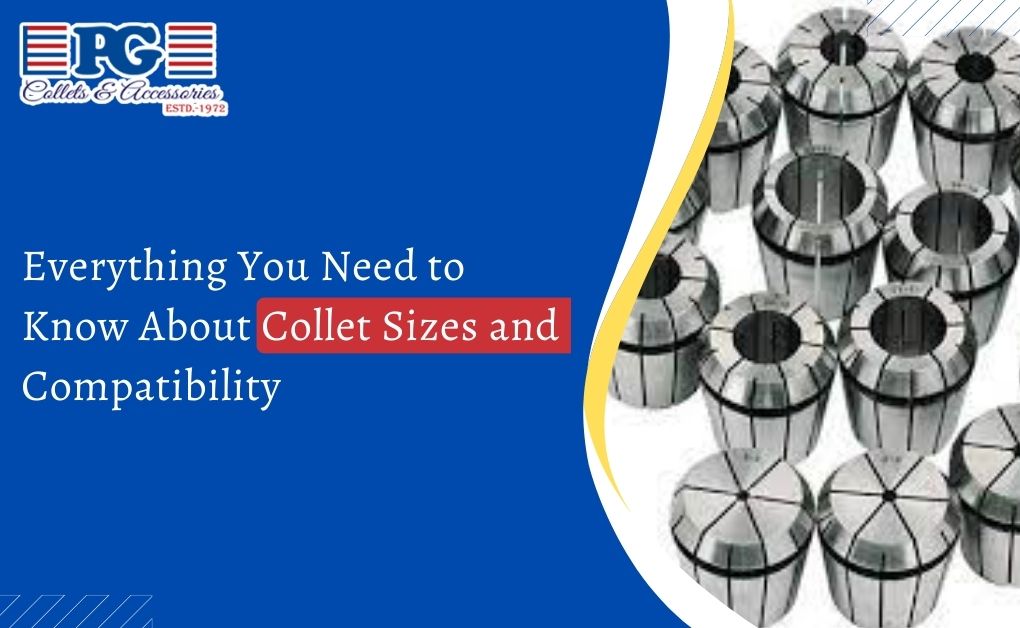
Everything You Need to Know About Collet Sizes and Compatibility

In the world of precision machining, one small component plays a massive role in ensuring accuracy and performance: Collets. Whether you’re working with a CNC machine, milling setup, or lathe, selecting the right collet size and type directly impacts productivity and precision. Yet, many machinists often overlook the finer details of collet sizes and compatibility.

If you’ve ever been confused about choosing between an R8 collet, 5C collet, 16C collet, 3J collet, or even specialized types like a 5C emergency collet, this guide is for you. Let’s dive deep into everything you need to know about collet sizes, compatibility, and how to make the best choice for your tooling requirements.

What Are Collets and Why Do They Matter?

Collets are holding devices designed to grip workpieces or cutting tools firmly. Unlike standard chucks, collets provide uniform clamping pressure, reducing vibration and improving machining accuracy. This results in:

  • Higher precision in machining
  • Better surface finish
  • Reduced tool wear
  • Increased safety during operations

From general turning applications to advanced custom tooling, collets remain one of the most reliable workholding solutions in the machining industry.

Understanding Collet Sizes: The Basics

Collet sizes refer to the dimensions and specifications that determine compatibility with a specific machine or toolholder. While the outer diameter is designed to fit into the collet chuck, the inner diameter grips the workpiece or cutting tool.

Different collet systems are used across industries. For instance:

  • R8 Collet – Popular in milling machines (especially Bridgeport-style mills).
  • 5C Collet – Widely used in lathes and grinders for small to medium-sized workpieces.
  • 16C Collet – Offers a larger capacity, commonly used in CNC lathes.
  • 3J Collet – Known for handling larger bar stock compared to 5C.
  • 173E Collet and F37 Collet – Specialized options for specific machines and operations.

Each of these collet types comes in standard and emergency versions to suit different machining needs.

Hook: Why Compatibility Can Make or Break Your Machining Setup

Imagine investing in high-quality tooling, only to discover that your chosen collet chuck is incompatible with the workpiece size or machine spindle. The result? Downtime, inefficiency, and even costly mistakes.

This is why understanding collet compatibility is not just a technical requirement—it’s a key factor in maintaining machining excellence. With the right collet, you unlock smoother operations and longer tool life.

Types of Collets and Their Applications

Let’s break down some of the most popular types of collets and where they are best applied:

1. R8 Collet

  • Designed mainly for milling machines.
  • Provides excellent accuracy for tool holding.
  • Best for light to medium machining tasks.


2. 5C Collet

  • One of the most versatile collets in the industry.
  • Works perfectly with 5C collet chucks.
  • Widely used in lathes and grinders.
  • Great for holding smaller workpieces.


3. 16C Collet

  • Larger than the 5C collet, offering extended gripping capacity.
  • Used in CNC lathes where heavy-duty clamping is required.


4. 3J Collet

  • Handles larger bar stocks efficiently.
  • Offers excellent concentricity, making it suitable for high-precision applications.


5. Emergency Collets (5C and 16C)


6. 173E Collet and F37 Collet

  • Specialized collets designed for unique machine requirements.
  • Used where precision and application-specific fitment are critical.


Choosing the Right Collet for Your Setup

When selecting collets, consider the following factors:

  • Machine Type – Milling, turning, or grinding.
  • Workpiece Size – Match the inner diameter of the collet.
  • Material of Workpiece – Harder materials may require a more robust collet.
  • Operation Type – Precision finishing or heavy-duty machining.
  • Emergency Needs – For irregular workpieces, emergency collets are a must.


The Role of a Trusted Collet Manufacturer

Not all collets are created equal. Precision, durability, and consistency depend on choosing the right supplier. If you’re looking for a collet manufacturer in India or a custom collet manufacturer, it’s essential to choose one that adheres to international quality standards.

Brands like PG Collets have built a reputation for offering high-precision collets that ensure compatibility and long service life. With expertise in both standard and custom collet manufacturing, they serve diverse industries ranging from automotive to aerospace.


Maintenance Tips for Longevity

Even the best-quality collets require proper care. Here’s how you can extend their lifespan:

  • Regularly clean collets and collet chucks to prevent debris buildup.
  • Avoid over-tightening, which can cause premature wear.
  • Inspect for wear and tear frequently.
  • Use lubricants designed for high-precision tooling.
  • Replace damaged or worn-out collets immediately to maintain accuracy.


Future Trends in Collet Technology

The machining industry is evolving with smart manufacturing, automation, and high-speed machining. Collets are also adapting:

  • Advanced coatings for reduced wear.
  • High-precision designs for ultra-fine tolerances.
  • Custom collets tailored for automation and robotic systems.

This shift highlights the growing need for manufacturers who can offer both standard and custom collet solutions.


Conclusion

Choosing the right collet size and ensuring compatibility is more than a technical necessity—it’s the foundation of precision machining. From the widely used 5C collet and R8 collet to specialized types like the 173E collet and F37 collet, every collet has its role in the machining ecosystem.

Whether you’re investing in a 5C collet chuck for everyday tasks or a 5C emergency collet for custom applications, the key lies in selecting quality products from a trusted collet manufacturer in India. Brands like PG Collets are leading the way by offering high-precision solutions tailored to diverse machining needs.

By understanding collet sizes and compatibility, you not only improve accuracy but also unlock the true potential of your machines. In the end, the right collet ensures that every cut, every hold, and every operation is executed with unmatched precision.👉 Looking for reliable, high-performance collets for your setup? Explore PG Collets today and get the perfect collet solution designed for your machining needs!