

Versatility of R8 Collets: Applications Beyond Milling

When it comes to precision machining, tooling plays an equally important role as the machinery itself. Among the various workholding solutions, collets stand out for their accuracy, versatility, and efficiency. While the R8 collet is often associated with milling machines, its applications extend far beyond this single process. By understanding the differences between collet types—such as the 5C collet and 16C collet—manufacturers can maximize productivity and achieve unmatched precision in diverse industries.

In this article, we’ll explore the versatility of the R8 collet, examine its uses beyond milling, and highlight how companies like PG Collets deliver advanced workholding solutions to meet evolving industrial demands.

Understanding Collets and Their Role

Collets are cylindrical sleeves designed to hold workpieces or cutting tools securely. They provide a higher level of concentricity and grip compared to standard chucks, making them indispensable in high-precision operations. Unlike chucks, which rely on jaws, collets distribute clamping force evenly around the surface, minimizing distortion and vibration.

Three of the most commonly used collets are:

  • R8 collet – Popular in milling, compact and versatile.
  • 5C collet – Widely used in turning, grinding, and inspection setups.
  • 16C collet – Ideal for larger bar stock and heavy-duty machining.

The R8 Collet: A Brief Overview

Developed for use in Bridgeport milling machines, the R8 collet is known for its simple design and quick tool changes. It offers high precision, making it a preferred choice for machinists requiring tight tolerances. But limiting the R8 collet to just milling is an oversight—it has proven valuable in numerous other machining applications.

Applications of R8 Collets Beyond Milling

1. Drilling and Boring

The R8 collet can be used to hold drill bits and boring tools securely. Its concentric grip reduces runout, ensuring smoother holes and better accuracy compared to standard chucks.

2. Reaming for Precision Fits

When working with reamers, precision is critical. The R8 collet provides stability, helping operators achieve consistent hole diameters, which is essential in aerospace, automotive, and medical industries.

3. Tapping Operations

Threading with taps requires a secure grip and alignment. Using an R8 collet minimizes tap breakage by ensuring even pressure and reducing vibration during operation.

4. Grinding Applications

While more commonly associated with 5C collet systems, grinding setups can also benefit from R8 collets. Their firm grip on smaller tools makes them a viable option in precision grinding tasks.

5. Tool Holding in Multi-Purpose Machines

With multi-functional machining centers becoming more common, the R8 collet is increasingly used to hold a variety of small-diameter tools. Its compatibility and ease of use make it adaptable across platforms.

Comparing R8, 5C, and 16C Collets

Each type of collet has strengths tailored to specific operations:

  • R8 collet – Best for tool holding in milling and light machining applications. Compact, easy to change, and versatile.
  • 5C collet – Designed primarily for workholding in turning and grinding. Offers flexibility with round, hex, and square stock.
  • 16C collet – Handles larger bar stock, up to 1-5/8 inches, making it ideal for heavy-duty turning and production environments.

By understanding these differences, manufacturers can select the right collet for the right job, boosting efficiency and tool life.

Essentials for Different Climates, Terrains, and Cultural Settings

When choosing collets for operations across different regions, factors like temperature, humidity, and even the availability of replacement tooling must be considered. For instance, in humid environments, corrosion-resistant collets are essential. Meanwhile, industries in regions with large-scale automotive or aerospace hubs may favor 5C collet or 16C collet systems due to their ability to handle high-volume work.

This flexibility highlights why the R8 collet remains an attractive option—it adapts to multiple environments and operational needs, making it a universal toolholding solution.

Industries Benefiting from R8 Collets

  1. Automotive Manufacturing – Precision drilling, tapping, and milling.
  2. Aerospace Components – Complex reaming and grinding applications.
  3. Medical Devices – Small-scale, high-tolerance machining operations.
  4. Tool and Die Shops – Multi-use flexibility with various machining centers.
  5. Education & Training – Popular in vocational training due to its simplicity and affordability.

Why Choose PG Collets for Advanced Workholding?

Selecting the right collet system is not just about compatibility—it’s about long-term reliability, durability, and accuracy. PG Collets specializes in delivering premium-quality collets, from R8 collet systems to 5C collet and 16C collet solutions, designed to meet the exacting standards of modern machining industries. With their expertise, businesses can ensure consistent performance, reduced downtime, and enhanced productivity.

Conclusion

The R8 collet is far more versatile than its association with milling machines might suggest. Its applications span drilling, reaming, tapping, and even grinding, making it a valuable asset in industries ranging from automotive to aerospace. While the 5C collet and 16C collet excel in specific workholding applications, the R8 collet remains a flexible, reliable option for diverse machining needs.

👉 For businesses seeking high-quality collet solutions, PG Collets offers expertise and precision-engineered products designed to keep your operations running smoothly and efficiently. Explore their wide range of collets and discover how the right tooling can transform your machining performance.

Special Collets for Heavy Cutting – Features, Benefits & Use Cases

Precision Collets for CNC & Tools | PG Collets

At PG Collets, we understand how tough heavy cutting application can be. When it come to machining difficult materials or hogging out large volumes of metal, the right collet makes all the difference. Our special collets designed for heavy cutting deliver maximum rigidity, precision and tool retention. Whether you’re using R8 collet setups, 5C collet chucks, 16 C collet systems or 3J collet configurations, PG Collets has the ideal solution for your shop.


Why a dedicated heavy cutting collet matters

Heavy cutting means high axial and radial forces, part deflection and cutter chatter risks. A standard collet may slip or deform under such load. Our specially hardened and balanced collets ensure consistent gripping force– so tool stays put and runs true even under high load.

These aren’t just ordinary collets. The enhanced design in our R8 collet variants offers superior torque tolerance; 5C collets made for heavy cutting resist deformation better; and 16C collets deliver an even larger gripping interface for large tools with more stability.


Types of special collets offered

R8 Collet for heavy cutting

  • Specifically designed R8 collet with a thicker wall section, optimized taper angle and high‑grade spring steel.
  • Minimizes vibration and enhances tool life.
  • Perfect for milling heavy ferrous material or deep slot cutting.

5C Collet heavy cutting version

  • Our 5C collet is re‑engineered for better concentricity at high torque applications.
  • Comes pre‑balanced and heat treated for harder operation.
  • Great for lathe heavy feed operations or drilling big holes in castings.

16C Collet heavy duty

  • The 16 C collet is larger, offering bigger gripping diameter for larger tool shanks.
  • Suitable for big diameter cutters, rough boring or high feed heavy maching.
  • Combined with PG Collets quality control ensures repeatable clamping accuracy.

3J Collet option

  • The 3J collet variant is less common but offers unique geometry.
  • Our PG Collets 3J collet heavy‑cutting version gives excellent axial grip for finishing heavy depth slots or tough alloys.

Emergency situations: 5C Emergency Collet & 16C Emergency Collet

Sometimes workpiece or tooling breaks – what then? That’s why PG Collets offers emergency backup:

  • 5C emergency collet that can help you finish or rescue a job quickly. You slip it in, allows immediate re‑clamping without costly downtime.
  • Similarly, a 16 C Emergency Collet is on hand for large tool emergency replacement. Just drop in and resume cutting.

These collets and 16C Emergency Collet options are lifesavers in emergency tooling failure cases. They reduce scrap, save time and cost in urgent situations.


Benefits of PG Collets for heavy cutting

  1. High clamping force & slip resistance – specially ground surface and optimized taper geometry prevent slippage when cutting heavy materials.
  2. Minimal runout & better precision – custom balanced designs reduce radial runout, improving surface finish and tool life.
  3. Durable & long lasting – use high‑grade materials and stress relief process so each collet resists deformation even after many cycles.
  4. Versatile compatibility – whether your machine uses R8, 5C collet, 16C collet or 3J collet, PG Collets has an option suited.
  5. Emergency availability – our 5C emergency collet and 16C emergency collet products keep shops running when normal tooling fails.


Typical use‑cases & Industries

  • Heavy slot milling in steel or cast iron with R8 collet tooling used in production mills.
  • High‑feed boring or rough turning on lathes using 5C collet chucks.
  • Rough milling or keyway cutting with larger diameter cutters in 16 C collet setups.
  • Tough alloys like titanium or Inconel where slip resistance and grip is critical — benefit from our 3J collet heavy cutting version.
  • Emergency repair & finishing in tool rooms or job shops using emergency collets to avoid downtime.


PG Collets – The Brand You Can Trust

At PG Collets, we focus on innovation and quality in every collet we produce. Our heavy cutting collet line is result of decades of machining experience and engineering refinement. Each collet is individually inspected for runout and hardness. We believe that a great collet is as important as the cutter itself in achieving safe, accurate heavy machining.

How to choose the right collet

  • Identify the machine spindle or chuck – are you using an R8 taper, 5C collet holder, 16 C or 3J style?
  • Choose the appropriate heavy‑duty version – PG Collets offers heavy cutting variants of R8 collet, 5 C collet, 16 C collet, and 3J collet.
  • For emergencies, keep our emergency collets on standby.
  • Match tool shank diameter – always select the precise collet size to ensure optimal grip and minimal runout.

Final Thoughts

In heavy cutting operations, the wrong collet can become the weak link. But PG Collets’ specialized heavy cutting collet range—from our R8 collet variants to rugged 5C collet, robust 16 C collet, and specialized 3 J collet—plus lifesaving 5C emergency collet and 16 C Emergency Collet backup, gives you confidence that your tooling won’t fail you.

When you choose PG Collets, you’re picking a partner that understands machining, tooling stress and the importance of grip and precision. 


Ready to upgrade your heavy cutting setup?

Visit https://pgcollets.info now to explore our full line of special heavy cutting collets, order your R8 collet, 5C collet, 16C collet, 3J collet, and emergency collets today! Power your machining with confidence using PG Collets – the trusted name in high‑performance collets for heavy cutting.

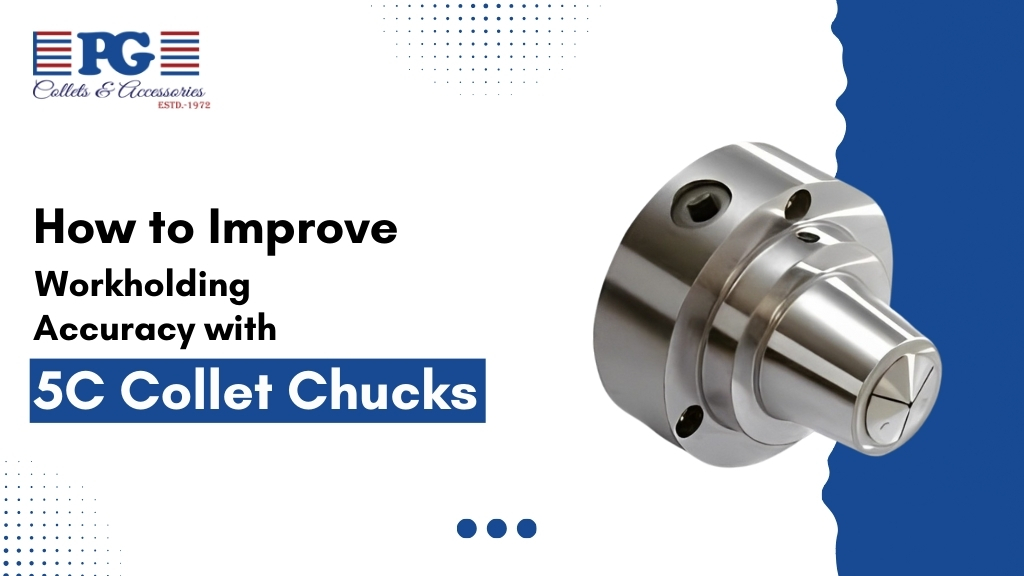
How to Improve Workholding Accuracy with 5C Collet Chucks

Introduction to 5C Collet Chucks

In precision machining, achieving optimal workholding accuracy is paramount for ensuring consistent and high-quality production outcomes. 5C collet chucks stand out as essential tools designed to enhance workpiece stability and precision during machining operations. This article explores the mechanics, advantages, practical applications, and integration considerations of 5C collet chucks, emphasizing their critical role in improving workholding accuracy.

Understanding the Mechanics of 5C Collet Chucks

5C collet chucks operate based on a mechanism that involves compressing collets uniformly around workpieces. This compression ensures a secure grip, minimizing workpiece movement and vibration during machining processes. The result is enhanced stability and accuracy, crucial for achieving precise machining results across various applications.

Key Features of 5C Collet Chucks

  • Precision and Tolerance: 

One of the primary features of Precision Collet Chuck is their ability to maintain tight tolerances and concentricity. This precision is essential for applications where minimal runout and consistent machining dimensions are critical.

  • Versatility in Machining Operations: 

5C collet chucks are versatile tools that can accommodate a wide range of workpiece sizes and shapes. They are suitable for turning, milling, drilling, and other machining processes, offering flexibility in production setups.

  • Ease of Use and Efficiency: 

With quick collet changes and straightforward setup procedures, this collet enhance operational efficiency by reducing downtime between machining operations. Machinists can swiftly adjust to different workpiece dimensions, optimizing workflow and produc.tivity


Advantages of Using 5C Collet Chucks

  • Enhanced Workpiece Security

The secure grip provided by 5C Collet Holder minimizes the risk of workpiece slippage or misalignment during machining. This enhances overall workpiece security and allows for more aggressive cutting parameters without compromising accuracy.

  • Improved Surface Finish Quality

By reducing vibrations and ensuring stable workholding, 5C collet chucks contribute to achieving smoother surface finishes on machined parts. This is particularly beneficial in applications requiring high aesthetic or functional surface quality.

  • Cost-Effectiveness and Durability

Constructed from durable materials, these collet chucks offer long-term reliability and cost-effectiveness in industrial environments. They require minimal maintenance and can withstand the rigors of heavy-duty machining operations.


Practical Applications of 5C Collet Chucks


  1. Turning OperationsIn lathe applications, Precision collet chuck securely grip cylindrical workpieces, allowing for precise turning operations. Machinists can efficiently change collets to accommodate different diameters, supporting a wide range of turning tasks.

  2. Milling and DrillingFor milling and drilling operations, this collet provide robust clamping force necessary for accurate hole positioning and complex machining tasks. Their stability and precision contribute to achieving tight tolerances and geometrically accurate features.

Integration Considerations

  1. Compatibility with Machining EquipmentWhen integrating 5C collet chucks into existing machining setups, compatibility with lathe or milling machine specifications is crucial. Proper alignment and setup ensure seamless operation and maximize the efficiency of machining processes.

  2. Tooling Options and AccessoriesSelecting appropriate collets and accessories tailored to specific machining requirements optimizes the performance of 5C collet chucks. Machinists can choose from various collet sizes, materials, and configurations to suit diverse production needs effectively.


Implementing 5C Collet Chucks for Improved Workholding

Precision Machining Techniques

Achieving superior workholding accuracy with 5C collet chucks involves meticulous setup and operational practices:

  • Optimal Collet Selection: Choosing collets based on workpiece dimensions and material properties.
  • Secure Clamping: Ensuring proper collet insertion and tightening procedures to prevent slippage or movement during machining.

Maintenance and Care Tips

To maintain peak performance of 5C collet chucks:

  • Regular Cleaning and Inspection: Removing debris and inspecting for wear or damage to collets and chucks.
  • Lubrication: Applying lubricants to collet threads and chuck mechanisms to enhance operational smoothness and longevity.
  • Storage Practices: Storing collets in a clean, dry environment to prevent corrosion and maintain gripping effectiveness.

Conclusion

In conclusion, 5C Collet Holder are indispensable tools in precision machining environments, offering unparalleled precision, versatility, and reliability. By understanding their mechanics, advantages, and practical applications, machinists can leverage 5C collet chucks to enhance workholding accuracy and optimize machining efficiency. Incorporating best practices in setup, maintenance, and tooling selection ensures consistent performance and extends the operational lifespan of 5C collet chucks, making them essential components in achieving machining excellence across various industrial sectors.

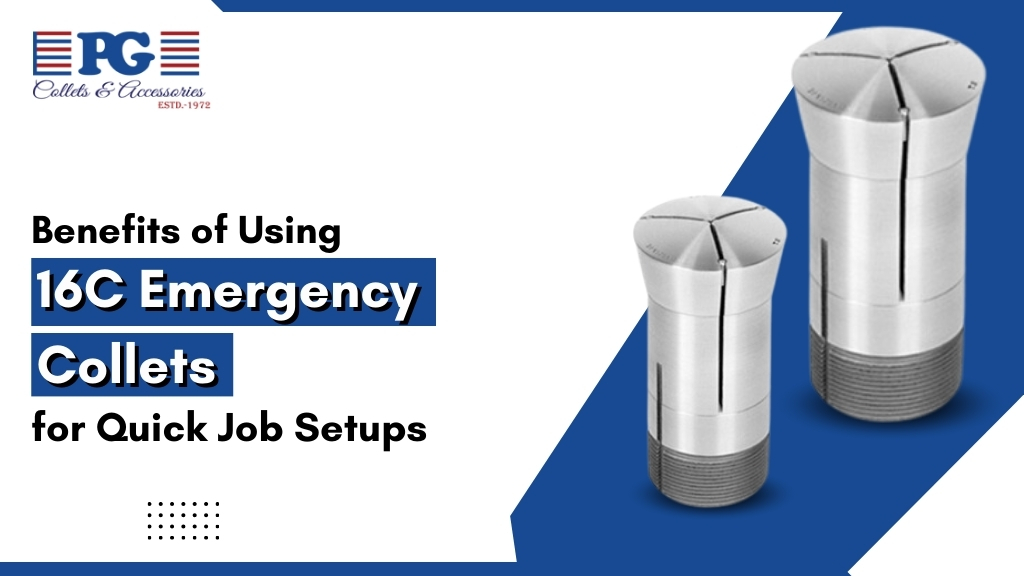
Benefits of Using 16C Emergency Collets for Quick Job Setups

In the world of precision machining, efficiency and accuracy are paramount. One tool that has revolutionized the way machinists approach job setups is the 16C emergency collet. These versatile collets offer numerous benefits that make them indispensable for quick job setups. In this article, we’ll explore the key advantages of using 16C emergency collets, demonstrating why they are a must-have in any machinist’s toolkit.

What is a 16C Emergency Collet?

A 16C emergency collet is a specialized tool used in lathes and CNC machines to hold workpieces securely. Unlike standard collets, emergency collets are designed to be machined to size, allowing them to accommodate custom diameters and shapes. This flexibility makes them ideal for rapid setups and unique machining tasks.

Key Benefits of Using 16C Emergency Collets

  1. Versatility and Customization

One of the primary benefits of 16C emergency collets is their versatility. Unlike standard collets that come in fixed sizes, emergency collets can be machined to fit specific dimensions. This feature is particularly useful for custom jobs where workpieces may not conform to standard sizes. By machining the collet to the exact diameter needed, machinists can ensure a perfect fit and secure hold.

  1. Quick and Efficient Job Setups

Time is money in the machining industry. This collets enable quick job setups, reducing downtime and increasing productivity. Because these collets can be customized on the spot, there is no need to wait for special-order collets to arrive. This rapid adaptability is especially beneficial for small batch runs and prototype work, where flexibility and speed are crucial.

  1. Cost-Effectiveness

Investing in a set of 16C emergency collets can lead to significant cost savings. Since these collets can be machined to fit a wide range of sizes, there is no need to purchase an extensive inventory of standard collets. This reduces both initial investment and ongoing inventory costs. Additionally, the ability to reuse emergency collets for different jobs by re-machining them adds to their cost-effectiveness.

  1. Improved Workpiece Accuracy and Quality

Precision is a critical factor in machining, and 16C emergency collets excel in this regard. By allowing for a custom fit, these collets minimize runout and ensure consistent, accurate machining. The secure grip provided by a well-fitted collet reduces the risk of workpiece slippage and vibration, leading to higher-quality finishes and more precise dimensions.

  1. Enhanced Tool Life

Using a properly fitted collet can extend the life of both the collet and the cutting tools. When a workpiece is securely held, there is less stress and wear on the cutting tools, which can result in longer tool life and reduced replacement costs. This not only saves money but also enhances overall efficiency by minimizing tool changeovers.

  1. Increased Safety

Safety is always a priority in any machining operation. 16C emergency collets contribute to a safer work environment by ensuring a secure hold on the workpiece. This reduces the risk of workpiece ejection and associated accidents. Additionally, the ability to customize the collet to fit irregular shapes and sizes helps prevent improper work holding, which can be a safety hazard.

  1. Simplified Inventory Management

Maintaining an extensive inventory of standard collets can be cumbersome and costly. 16C emergency collets simplify inventory management by reducing the need for multiple collet sizes. With a few emergency collets on hand, machinists can handle a wide variety of jobs, streamlining operations and reducing storage space requirements.

How to Use 16C Emergency Collets

To fully leverage the benefits of 16C emergency collets, it’s important to understand how to use them effectively. Here are some steps to ensure optimal performance:

1: Select the Appropriate Collet

Choose a 16C emergency collet that is closest to the desired final diameter. This will minimize the amount of material that needs to be removed during machining.

2: Machine the Collet

Carefully machine the collet to the exact size required for the workpiece. This process involves boring out the collet to the desired diameter and, if necessary, creating custom profiles to accommodate unique workpiece shapes.

3: Install the Collet

Insert the machined collet into the collet chuck or spindle. Ensure that it is properly seated and secured.

4: Insert the Workpiece

Place the workpiece into the collet, making sure it fits snugly. Tighten the collet nut to secure the workpiece in place.

5: Begin Machining

With the workpiece securely held, proceed with the machining operation. Monitor the setup to ensure that the workpiece remains stable and secure throughout the process.

Conclusion

The benefits of using 16C emergency collets for quick job setups are clear. Their versatility, cost-effectiveness, and ability to improve workpiece accuracy and safety make them an invaluable tool in any machining operation. Whether for custom machining, small batch production, or repair work, 16C emergency collets offer the flexibility and precision needed to tackle any job with confidence.


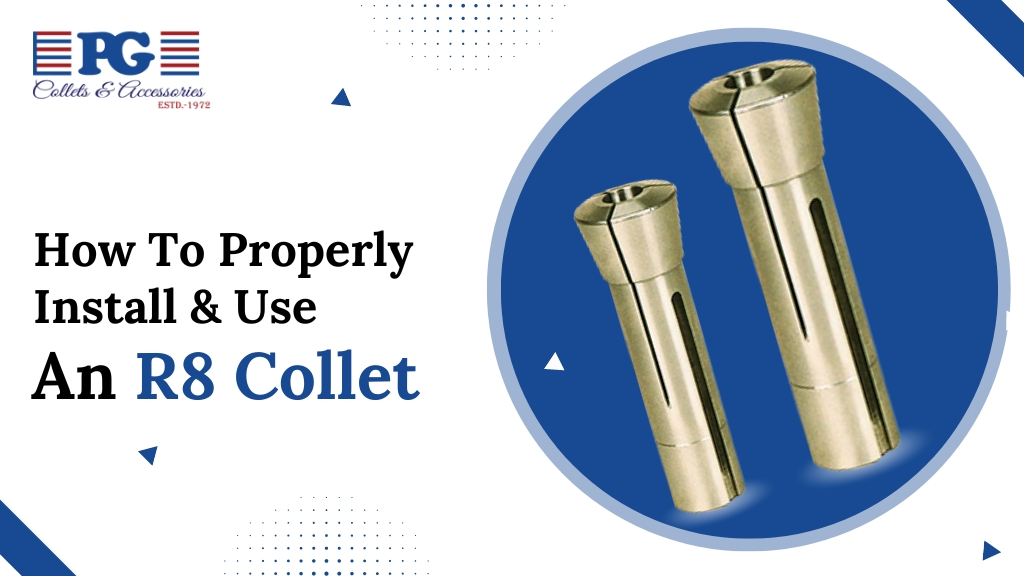
How to Properly Install and Use an R8 Collet

Understanding the R8 Collet

The R8 collet is an essential component in machining, known for its versatility and reliability. Used predominantly in milling machines, It’s secure cutting tools and provide precision in various machining tasks. Proper installation and usage of an R8 collet are crucial to achieving the desired accuracy and performance. This article will guide you through the steps to correctly install and use an R8 collet, ensuring your machining projects are executed with precision.

What is an R8 Collet?

An R8 collet is a cylindrical tool-holding device used to clamp cutting tools or workpieces in milling machines. Introduced by Bridgeport Machines, the collet system is widely used in the machining industry due to its simplicity and effectiveness. This collets are designed to fit into the spindle of a milling machine and are tightened with a drawbar, providing a secure grip on the tool.

Why Use an R8 Collet?

R8 collets offer several advantages:

  • Precision: They provide a high level of accuracy, which is essential for intricate machining tasks.
  • Versatility: Compatible with a variety of tools, including end mills, drill bits, and boring tools.
  • Ease of Use: Simple to install and change tools, saving time and increasing efficiency.


Installing an R8 Collet

Step 1: Prepare Your Equipment

Before installing an R8 collet, ensure you have the necessary equipment:

  • Milling machine with an R8 spindle
  • R8 collet set
  • Drawbar
  • Appropriate cutting tool
  • Clean cloth or rag
  • Lubricant (optional)


Step 2: Clean the Spindle and Collet

A clean environment is critical for the proper installation of an R8 collet. Any debris or dirt can affect the collet’s grip and precision. Use a clean cloth to wipe down the spindle bore and the collet. If needed, use a mild solvent to remove any stubborn residues.

Step 3: Insert the R8 Collet

Align the R8 collet with the spindle bore. Gently insert the collet into the spindle, ensuring it fits snugly. The key slot on the collet should align with the keyway in the spindle.

Step 4: Insert the Tool

Once the R8 collet is in place, insert the cutting tool into the collet. Ensure the tool is properly seated and positioned correctly.

Step 5: Tighten the Draw bar

Thread the drawbar into the top of the collet. Use a wrench to tighten the draw bar securely. This action pulls the collet into the spindle, clamping the tool firmly in place. Do not over tighten, as this can damage the collet or the tool.

Using an R8 Collet

  1. Setting Up the Machine: After installing the R8 collet and tool, set up your milling machine for the desired operation. This involves setting the spindle speed, positioning the workpiece, and configuring any necessary fixtures.
  2. Performing the Machining Operation: With the machine set up, you can proceed with the machining operation. Ensure all safety protocols are followed, including wearing appropriate personal protective equipment (PPE) and verifying that all machine guards are in place.
  3. Monitoring and Adjustments: While machining, regularly monitor the operation to ensure everything is running smoothly. If you notice any issues, such as unusual vibrations or poor surface finish, stop the machine and inspect the collet and tool setup.

Maintaining Your R8 Collet

  • Regular Cleaning: After each use, clean the collet and spindle bore. Remove any chips, debris, or coolant that may have accumulated. Regular cleaning prevents buildup that can affect performance.
  • Inspect for Wear: Periodically inspect your R8 collets for signs of wear or damage. Look for cracks, wear marks, or deformations. Using a damaged collet can compromise machining accuracy and safety.
  • Lubrication: Applying a light coating of lubricant to the drawbar threads can help ensure smooth tightening and prevent galling.
  • Proper Storage: Store collets in a clean, dry environment. Use a collet rack or organizer to keep them sorted and protected from damage.


Conclusion

By following the steps outlined in this guide, you can ensure your R8 collet is correctly installed and maintained, leading to improved machining performance and longer tool life. 

Investing time in understanding and properly using your R8 collet system will pay off in the long run, providing you with reliable and precise machining capabilities. Whether you are a seasoned machinist or a beginner, mastering the R8 collet installation and usage is a valuable skill that enhances your overall machining proficiency.


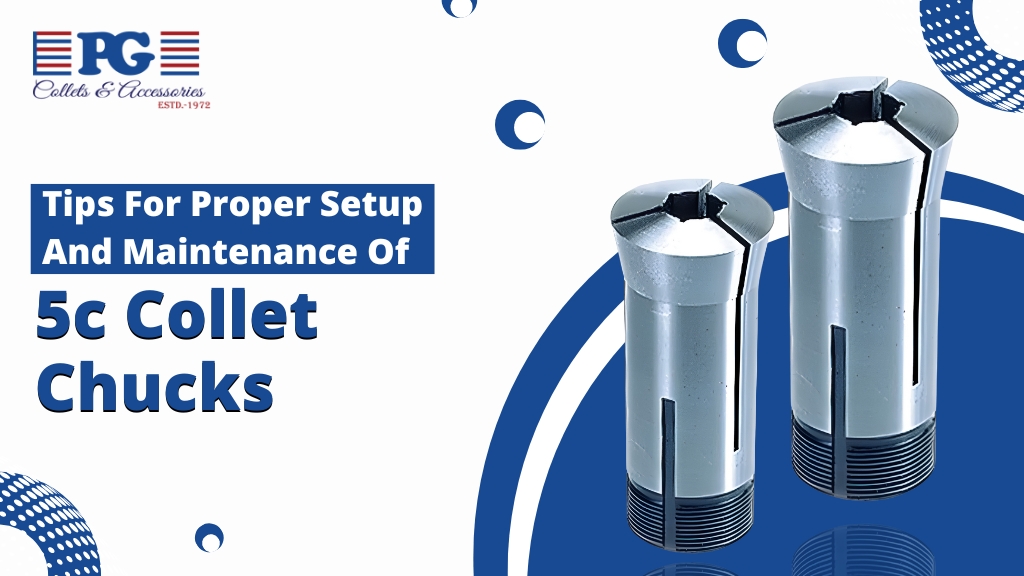
Tips for Proper Setup and Maintenance of 5C Collet Chucks

Understanding the 5C Collet Chuck

A 5C collet chuck is a type of workholding device commonly used in lathes, grinders, and milling machines. It holds workpieces with a high degree of accuracy, making it ideal for precision machining tasks. The collet, a cylindrical sleeve, exerts uniform pressure around the workpiece, ensuring a secure grip and minimizing runout.

5C collet chucks are essential tools in precision machining, offering high accuracy and repeatability. To maximize the performance and longevity of your 5C collet chuck, proper setup and maintenance are crucial. This blog provides comprehensive tips on how to effectively set up and maintain your 5C collet chuck, ensuring optimal operation and extended service life.

Proper Setup of a 5C Collet Chuck

Selecting the Right Collet

Choosing the appropriate collet for your workpiece is the first step. Ensure the collet size matches the diameter of the workpiece. A mismatch can lead to poor gripping and increased runout, compromising the machining accuracy.

Cleaning and Inspection

Before installation, clean the collet and chuck thoroughly to remove any debris, dust, or old lubricant. Look for any indications of wear or damage on the collet. Even minor defects can affect performance. Use a clean, lint-free cloth and a mild solvent for cleaning.

Proper Installation

  • Align the Collet and Chuck: Insert the collet into the chuck, ensuring it is seated correctly. Misalignment can cause excessive runout and uneven wear.
  • Tightening the Collet: Use the appropriate torque when tightening the collet. Over-tightening can damage the collet and the chuck, while under-tightening can result in poor workpiece retention.

Check for Runout

After installation, check the collet chuck for runout using a dial indicator. Place the indicator against the workpiece and rotate it. The runout should be minimal, typically within a few thousandths of an inch. If the runout exceeds acceptable limits, recheck the collet and chuck alignment and retighten as necessary.

Maintenance Tips for 5C Collet Chucks

Regular Cleaning

Frequent cleaning is essential to maintain the performance of your 5C collet chuck. Clean the collet and chuck after each use to remove metal chips, dust, and other contaminants. This prevents buildup that can cause uneven wear and reduce accuracy.

Lubrication

Proper lubrication reduces friction and wear on the collet and chuck. Use a high-quality, light machine oil or a specialized collet lubricant. Apply a thin layer to the collet and the internal surfaces of the chuck. Refrain from overlubricating as this may draw in more debris.

Periodic Inspection

Regularly inspect your collet chuck for signs of wear or damage. Check the collet’s gripping surface and the chuck’s internal taper for nicks, scratches, or deformation. Replace worn or damaged components promptly to maintain precision and safety.

Storage

When not in use, store your 5C collet chuck and collets in a clean, dry environment. Use protective caps or covers to prevent dust and moisture from reaching the collet’s surfaces. Proper storage extends the life of the collet chuck and maintains its performance.

Calibration

Periodically calibrate your 5C collet chuck to ensure it maintains accuracy. Calibration involves checking the chuck’s alignment and runout and making necessary adjustments. Professional calibration services can provide precise measurements and adjustments, ensuring optimal performance.

Troubleshooting Common Issues

Excessive Runout

If you notice excessive runout, recheck the collet and chuck alignment. Ensure the collet is seated correctly and tightened to the recommended torque. Inspect the collet and chuck for wear or damage and replace any defective parts.

Poor Gripping

Poor gripping can be caused by a mismatch between the collet and the workpiece size or by a worn collet. Verify that the collet size matches the workpiece diameter. If the collet shows signs of wear, replace it with a new one.

Difficulty in Collet Removal

Difficulty in removing the collet can be due to debris buildup or over-tightening. Clean the collet and chuck thoroughly and apply a light lubricant to facilitate easy removal. Avoid excessive tightening during installation to prevent this issue.

Conclusion

Proper setup and maintenance of your 5C collet chuck are vital for achieving high precision and prolonging the life of your equipment. By following these tips, you can ensure optimal performance, reduce downtime, and maintain the accuracy of your machining operations. Regular cleaning, lubrication, inspection, and calibration are key practices that contribute to the reliable operation of your 5C collet chuck. Invest time in proper maintenance, and your 5C collet chuck will reward you with consistent, high-quality performance.

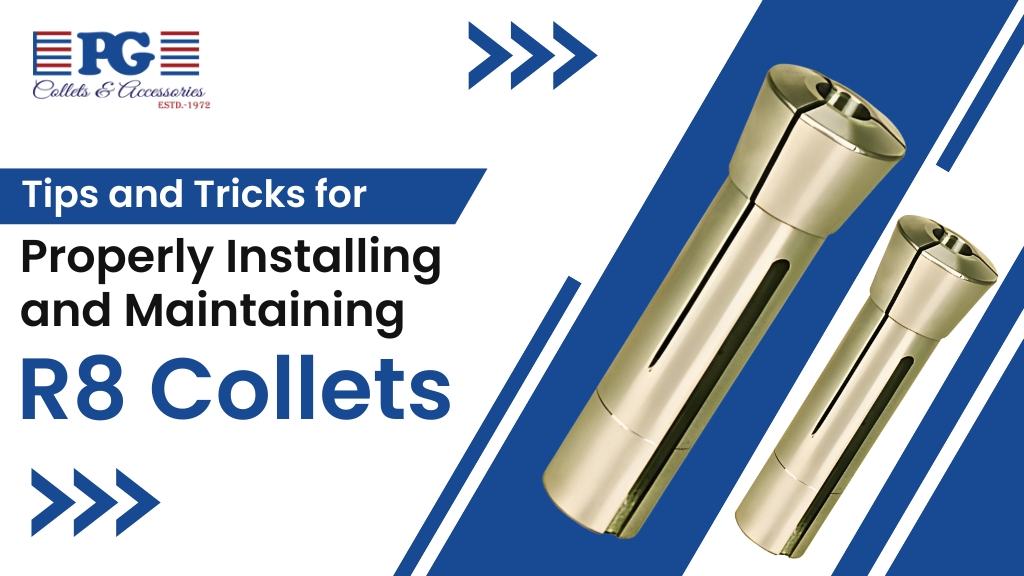
Tips and Tricks for Properly Installing and Maintaining R8 Collets

R8 collets are essential tools in many machining and milling applications. They are used to hold cutting tools in place with precision and stability, ensuring high-quality results in various manufacturing processes. Proper installation and maintenance of R8 collets are crucial for optimal performance and longevity. In this blog, we will explore some essential tips and tricks to help you get the most out of your R8 collets.

Understanding R8 Collets

Before diving into the tips and tricks, it’s essential to understand what an R8 collet is and its role in machining. R8 collets are cylindrical devices used to hold tools in place in milling machines and other machining equipment. They are known for their versatility and ability to hold a wide range of tool sizes, making them popular in various machining applications.

Selecting the Right R8 Collet

Choose the Correct Size
Choosing the right size of the R8 collet is critical. Ensure that the collet matches the shank diameter of the tool you intend to use. Using an incorrect size can lead to poor tool performance and potential damage to the collet and tool.

Quality Matters
Investing in high-quality R8 collets can make a significant difference in performance and longevity. High-quality collets offer better precision, durability, and reliability. They are typically made from superior materials and have undergone rigorous manufacturing processes.

Proper Installation of R8 Collets

Cleanliness is Key
Before installing an R8 collet, ensure that both the collet and the spindle taper are clean and free from debris. Any dirt or particles can affect the collet’s grip and lead to tool runout or damage.

Proper Insertion
Insert the collet into the spindle and ensure it is seated correctly. The collet should be flush with the spindle taper without any gaps. Use gentle pressure to avoid damaging the collet or spindle.

Secure the Tool
Insert the tool into the collet, ensuring it is properly aligned. Tighten the drawbar to secure the collet and tool in place. Avoid over-tightening, as this can damage the collet and tool.

Maintaining Your R8 Collets

Regular Cleaning

Regularly clean your R8 collets to remove any accumulated debris or oil. Use a soft brush and a suitable cleaning solution to ensure thorough cleaning without causing damage.

Inspection for Wear and Tear

Periodically inspect your R8 collets for signs of wear and tear. Look for cracks, deformations, or excessive wear. Replace any damaged collets immediately to avoid compromising tool performance and safety.

Proper Storage
Store your R8 collets in a clean, dry environment. Use protective cases or holders to prevent them from getting damaged or contaminated. Proper storage can significantly extend the lifespan of your collets.

Troubleshooting Common Issues

Addressing Tool Runout
Tool runout can affect machining accuracy and surface finish. If you notice runout, check for debris or damage in the collet and spindle taper. Ensure that the collet is correctly seated and the tool is properly aligned.

Dealing with Stuck Collets
If an R8 collet gets stuck in the spindle, avoid using excessive force to remove it, as this can cause damage. Instead, use a collet removal tool or tap gently with a rubber mallet to free the collet.

Tips for Extending Collet Life

Rotate Collets
Avoid using the same collet for every operation. Rotate between different collets to distribute wear evenly and extend their overall lifespan.

Use Appropriate Tools
Ensure that the tools used with the R8 collets are in good condition and free from damage. Damaged tools can adversely affect the collets and lead to premature wear.

Conclusion

Proper installation and maintenance of R8 collets are vital for achieving optimal machining performance and extending the life of your tools. By following these tips and tricks, you can ensure that your R8 collets remain in excellent condition, providing reliable and precise results for all your machining needs. Investing time in proper care and handling of your collets will pay off in the form of improved efficiency, reduced downtime, and cost savings in the long run.

At PG Collets, we understand the importance of high-quality collets in your machining operations. Our range of R8 collets is designed to meet the highest standards of precision and durability, ensuring that you achieve the best results every time. Whether you are looking for new collets or need expert advice on collet maintenance, PG Collets is here to help. Contact us today to learn more about our products and services.

A Guide to Selecting and Using 5C Emergency Collets Effectively

When it comes to precision machining, having the right tools at your disposal is crucial. One such tool that often goes underappreciated but is essential for any machinist is the 5C Emergency Collet. In this guide, we will delve into the world of 5C Emergency Collet and their 16C counterparts, offering insights on how to select and use them effectively.

Understanding 5C Emergency Collets

What Are 5C Emergency Collets?

5C Emergency Collets are a type of collet used in machining applications. They are designed to hold workpieces firmly in place, allowing for precise machining operations. These collets are known for their versatility and ease of use, making them a favorite among machinists.

Benefits of 5C Emergency Collets

  • Precision: 5C Emergency Collets offer exceptional accuracy, ensuring that your workpiece remains secure during machining.
  • Versatility: These collets can accommodate a wide range of workpiece sizes, reducing the need for multiple collets.
  • Quick Change: Swapping out workpieces is a breeze with 5C Emergency Collets, saving valuable time in your machining process.

Selecting the Right 5C Emergency Collet

When it comes to choosing the right 5C Emergency Collet, you need to consider a few factors:

Workpiece Size

Ensure the collet you choose can accommodate the size of your workpiece. 5C Emergency Collets come in various sizes, so pick one that suits your needs.

Material

Consider the material of the collet itself. Quality materials guarantee longevity and durability.

Collet Closer

The collet closer mechanism is crucial for a secure grip. Ensure it’s compatible with your machine.

Using 5C Emergency Collets Effectively

Now that you have selected the right collet, it’s essential to understand how to use it effectively.

  • Proper Cleaning: Before use, ensure that both the collet and the workpiece are clean. Any debris can affect the grip and precision.
  • Securely Fasten: When inserting the workpiece, make sure it is securely fastened. You should feel a snug fit.
  • Check for Wear: Regularly inspect your collet for wear and tear. Replacing it when necessary is vital for consistent performance.
  • Lubrication: Applying a small amount of lubrication can improve the collet’s gripping capability and extend its lifespan.

The Role of 16C Emergency Collets

In addition to the 5C Emergency Collets, there are also 16C Emergency Collet. These collets are designed for larger workpieces and can provide a more robust grip.

When to Use 16C Emergency Collets

If you are working with larger workpieces or need a stronger grip, consider using 16C Emergency Collets. They are particularly useful for heavy-duty machining operations.

In Conclusion

In the world of precision machining, the right tools can make all the difference. 5C Emergency Collets and their 16C counterparts are essential components that ensure your machining projects run smoothly. By selecting the right collet and using it effectively, you can elevate the quality and precision of your work. So, remember the key factors when choosing your collets and follow the best practices for usage to maximize your machining efficiency.

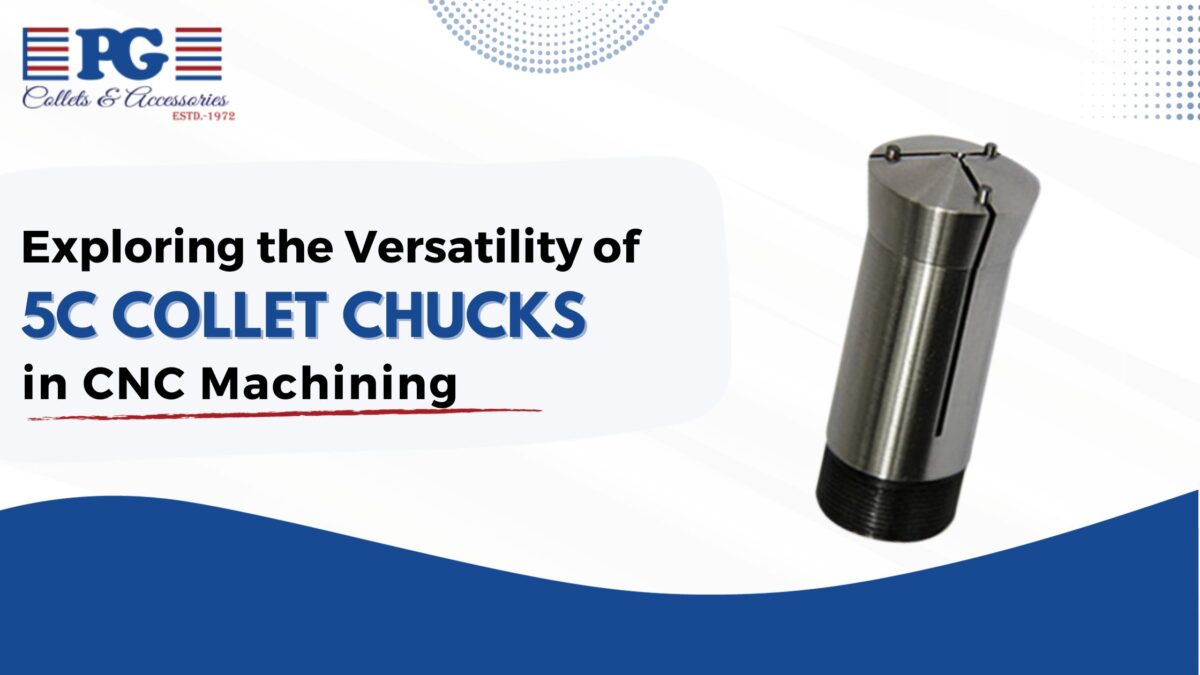
Exploring the Versatility of 5C Collet Chucks in CNC Machining

CNC machining has revolutionized the manufacturing industry, and at the heart of this technological transformation lies the indispensable tool known as the 5C collet chuck. This versatile device has become an essential component in precision machining, offering a wide array of benefits that make it a favorite among machinists. In this article, we will delve into the world of 5C collet chucks, exploring their versatility and how they enhance CNC machining processes.

Understanding the 5C Collet Chuck

Before we dive into its versatility, let’s get to know the 5C collet chuck better. This ingenious tool is a clamping mechanism used in CNC machines to hold workpieces firmly in place. It consists of a collet—a cylindrical sleeve with internal threads—and a drawbar that tightens the collet around the workpiece, ensuring a secure grip. The 5C collet chuck is highly adaptable, making it suitable for various applications.

Precision Holding

One of the primary advantages of the 5C collet chuck is its exceptional gripping precision. It provides a uniform and secure hold on workpieces, minimizing the risk of slippage during machining. This precision is crucial for achieving the desired dimensions and surface finishes, making it an invaluable tool for CNC machinists.

Quick Tool Changes

Efficiency is the key to success in CNC machining, and the 5C collet chuck plays a significant role in enhancing it. The quick tool change feature allows machinists to switch between workpieces and tooling swiftly. This reduces downtime and maximizes productivity, a crucial factor in today’s fast-paced manufacturing environment.

Versatility Across Industries

5C collet chucks are not limited to a specific type of workpiece or industry. They can accommodate a wide range of materials, from metals to plastics, and are used in industries such as aerospace, automotive, and medical devices manufacturing. This adaptability showcases the versatility of 5C collet chucks, making them an ideal choice for various CNC machining applications.

Cost-Effective Solution

In addition to their versatility, 5C collet chuck are also cost-effective. They are durable and require minimal maintenance, reducing operating costs in the long run. This cost-efficiency is a compelling reason for businesses to invest in 5C collet chucks for their CNC machining operations.

Seamless Integration with CNC Machines

The 5C collet chuck seamlessly integrates with CNC machines, ensuring compatibility and ease of use. The simplicity of setup and operation allows machinists to focus on their work, rather than dealing with complex clamping systems.

Conclusion

In the realm of CNC machining, the 5C collet chuck stands out as a versatile and indispensable tool. Its precision, quick tool changes, adaptability to various industries, cost-effectiveness, and seamless integration with CNC machines make it an asset for any machining process. As technology continues to advance, the 5C collet chuck will remain a cornerstone of precision machining, driving efficiency and excellence in the manufacturing industry.

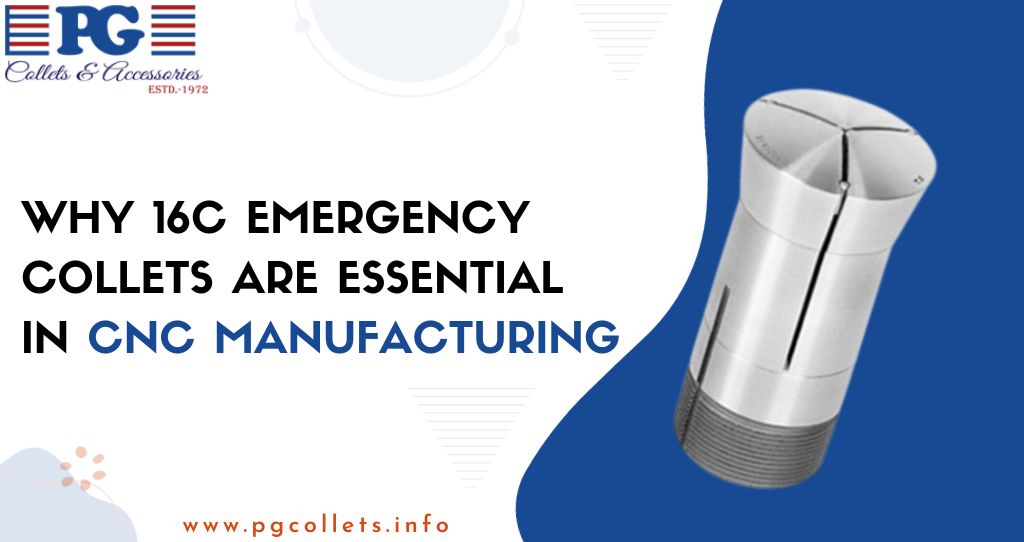
The Significance of 16C Emergency Collets in CNC Manufacturing

In today’s fast-paced world of CNC manufacturing, precision and efficiency are paramount. One of the critical components that contribute to the success of CNC machining is the 16C Emergency Collet. In this article, we’ll delve into why these collets are indispensable in CNC manufacturing and how they can significantly impact your machining processes.

Understanding 16C Emergency Collets

Before we dive into the advantages of 16C Emergency Collets, let’s take a moment to understand what they are. These collets are specialized tools designed to securely hold workpieces in CNC machines, particularly in emergency situations. They are engineered to provide a firm grip on the workpiece, preventing any mishaps or tooling issues during machining operations.

Precision and Reliability

One of the primary reasons why 16C Emergency Collets are essential in CNC manufacturing is their unparalleled precision and reliability. These collets are meticulously crafted to ensure that they securely clamp onto the workpiece with minimal runout. This precision is vital when working on intricate parts that demand utmost accuracy.

Quick Tool Changes

Efficiency is the name of the game in CNC manufacturing, and 16C Emergency Collet contribute significantly to achieving this goal. Their quick-change capability allows machinists to swap out workpieces swiftly, reducing downtime and increasing overall productivity. This feature is especially valuable in high-volume production environments.

Enhanced Safety

Safety should always be a top priority in any manufacturing setting, and 16C Emergency Collets play a crucial role in maintaining a safe work environment. By firmly gripping the workpiece, these collets minimize the risk of tool slippage or ejection during machining. This not only protects the machinist but also prevents damage to the machine itself.

Versatility and Compatibility

The 16C Emergency Collets are designed to be versatile and compatible with a wide range of workpiece sizes and shapes. This versatility means that you can use these collets for various machining applications without the need for constant adjustments or changes. This adaptability streamlines the machining process and saves valuable time.

Improved Surface Finish

Achieving a superior surface finish is a common goal in CNC manufacturing, and 16C Emergency Collets can help you get there. Their exceptional grip and stability ensure that the workpiece remains firmly in place throughout the machining process. This results in a smoother, more precise finish on the final product.

Versatility of 173E Collets in CNC Manufacturing

The 173E collet is another valuable tool in CNC manufacturing. With its precision and versatility, the 173E collet is designed to securely hold workpieces, making it an essential component for achieving top-notch machining results. Whether you’re working on intricate parts or high-volume production, the 173E collet proves its worth, ensuring your CNC operations run smoothly and efficiently.

Conclusion

In conclusion, 16C Emergency Collets are indispensable tools in the world of CNC manufacturing. Their precision, reliability, quick-change capabilities, safety features, versatility, and ability to enhance surface finish make them a must-have for any CNC machining operation. By investing in high-quality 16C Emergency Collets, you can boost your productivity, improve the quality of your products, and ensure a safer working environment for your team.

So, whether you’re a seasoned CNC machinist or just getting started in the world of manufacturing, consider the significant impact that 16C Emergency Collet can have on your operations. Make the wise choice, and elevate your CNC machining processes to new heights with these essential tools.