

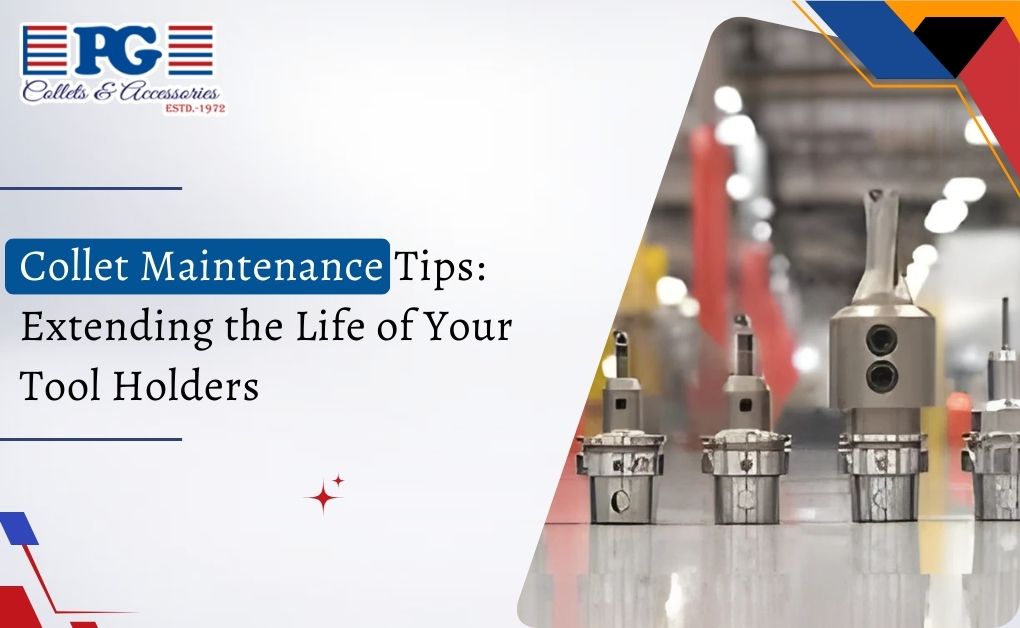
Tool holders are the backbone of precision machining, and at the heart of these holders lies the collet. This small but critical component ensures that cutting tools are held securely in place, reducing runout and maintaining accuracy. However, even the highest-quality collet can wear down prematurely without proper care. At PG Collets, we know that maintenance is not just about preserving tools—it’s about safeguarding efficiency, accuracy, and your bottom line.
Why Collet Maintenance Matters
A collet may seem simple, but it plays a pivotal role in machining. Its job is to firmly grip the tool shank, ensuring minimal movement during high-speed operations. Over time, heat, dirt, and stress can reduce its effectiveness, leading to tool slippage, vibrations, and even damage to the spindle.
Neglecting maintenance doesn’t just shorten the lifespan of your collet—it can also compromise product quality and increase downtime. A small investment of time in proper care ensures consistent machining results and longer tool life.
👉 “Think of your collet as a handshake with your cutting tool—the firmer and cleaner the grip, the longer both partners thrive.”
Essential Collet Maintenance Tips
1. Clean Your Collet Regularly
Dust, chips, and coolant residue accumulate quickly. A dirty collet cannot grip properly, which increases wear on both the holder and the cutting tool. Use compressed air or a soft brush to clean the collet and taper after each use.
Quick tip: Avoid using harsh abrasives, which can scratch the collet’s surface and reduce gripping accuracy.
2. Inspect for Wear and Tear
A worn collet often shows subtle signs such as discoloration, burrs, or cracks. Regular inspections help identify issues before they escalate. Replace damaged collets promptly to prevent harm to your expensive tools and machinery.
Checklist for Inspection:
- Look for tool marks inside the bore.
- Check for cracks near the slots.
- Measure runout to ensure precision.
3. Lubricate the Collet Nut
Friction in the collet nut threads can affect clamping force. Applying a thin coat of suitable lubricant reduces wear and ensures smooth tightening. Be sure not to over-lubricate, as excess oil can attract dust and chips.
4. Store Properly When Not in Use
Leaving collets exposed to dust or moisture shortens their lifespan. Always store them in clean, dry cases or racks. Humidity can cause corrosion, while improper storage can lead to accidental deformation.
5. Replace Worn-Out Collets on Time
Many machinists try to stretch the use of a collet beyond its recommended lifespan. This often results in compromised precision and tool breakage. Follow manufacturer guidelines for replacement intervals, especially if you’re working with high-speed spindles.
Collets and Tool Holders: A Symbiotic Relationship
Your collet and tool holder work together as one unit. Even if your tool holder is in excellent condition, a neglected collet can undermine its performance. Conversely, a well-maintained collet enhances tool holder longevity, making it an indispensable aspect of preventive maintenance.
Role of Custom Solutions in Collet Longevity
Different applications require different levels of grip, accuracy, and material compatibility. A custom collet manufacturer can design solutions that not only fit your specific needs but also last longer under demanding conditions. By choosing custom-designed collets, businesses can reduce wear and avoid frequent replacements.
PG Collets, a trusted custom collet manufacturer, understands that no two machining processes are the same. Offering tailor-made designs ensures that each collet works in harmony with the tool holder and the cutting tool it supports.
Advanced Tips for Extending Collet Life
- Rotate Collets Frequently – Avoid overusing the same collet for similar jobs. Rotation distributes wear evenly.
- Maintain Proper Torque – Under-tightening can cause slippage; over-tightening can deform the collet. Always use torque wrenches.
- Avoid Mixing Sets – Keep collets with their original nuts and holders. Mixing can cause mismatches and reduce performance.
- Coolant Management – Ensure coolant nozzles are positioned properly to avoid excessive fluid buildup on the collet surface.
Signs That It’s Time to Replace Your Collet
- Increased tool runout during operations.
- Difficulty in achieving consistent surface finishes.
- Tools slipping or breaking more frequently.
- Noticeable wear on the slots or bore.
Ignoring these signs can result in spindle damage and expensive downtime. Replacing the collet at the right time is far cheaper than repairing major machine components.
Long-Term Benefits of Proper Collet Maintenance
- Improved Accuracy: A well-maintained collet holds tools securely, ensuring precise machining.
- Reduced Downtime: Prevents unexpected tool holder failures.
- Cost Savings: Extends the life of both cutting tools and tool holders.
- Enhanced Safety: A secure grip prevents tool ejection and operator hazards.
Final Thoughts
Proper collet maintenance is not an option—it’s a necessity for any workshop focused on accuracy, efficiency, and safety. By adopting simple yet effective practices like cleaning, inspection, and timely replacement, machinists can dramatically extend the life of their tool holders.
With solutions from trusted names like PG Collets, maintaining performance becomes easier and more reliable. Whether you’re using standard models or seeking a collet manufacturer in India for specialized needs, investing in maintenance ensures your tools work as hard as you do.
👉 Remember: your collet may be small, but its impact on your machining success is massive. Care for it, and it will care for your productivity.