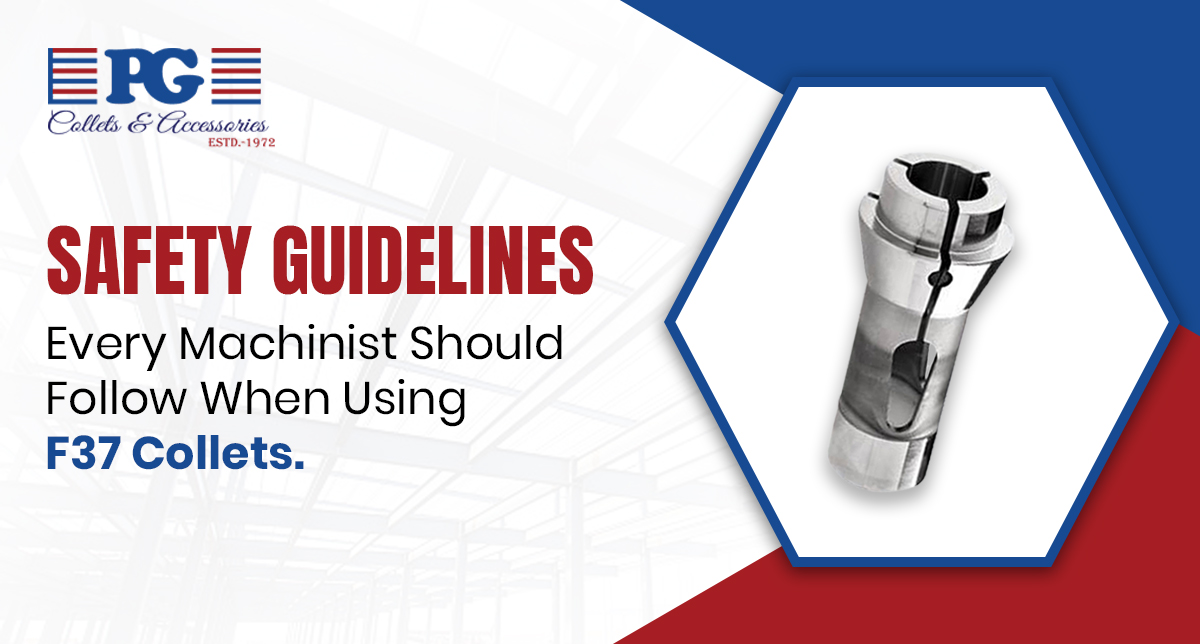

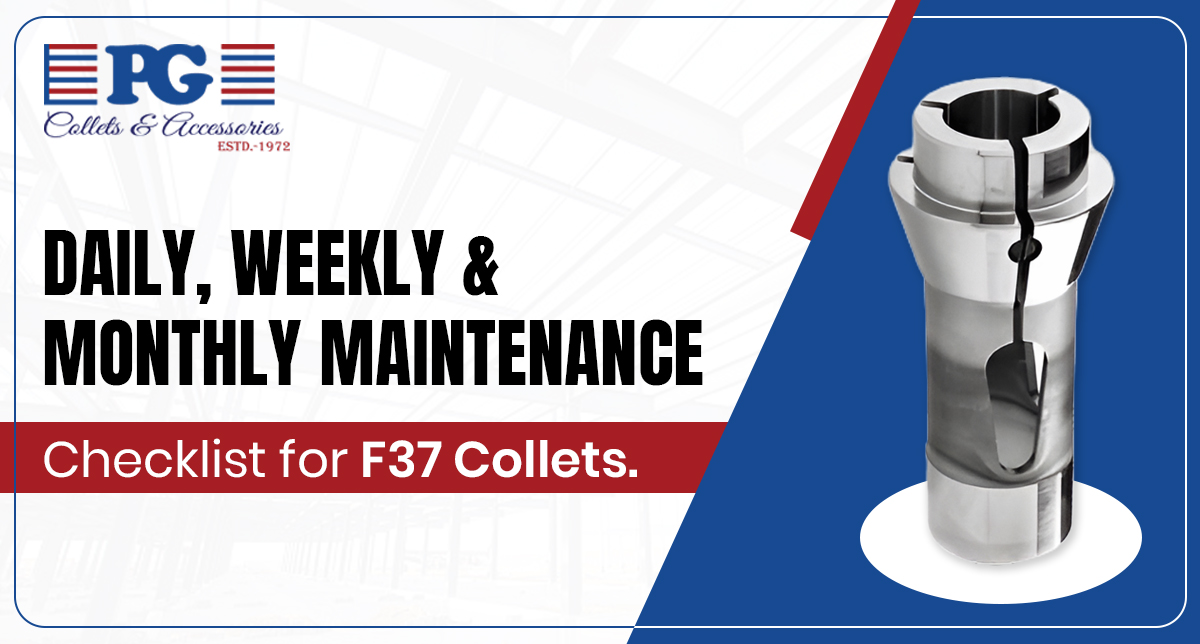
In precision machining, even the smallest component can impact overall performance. Among these components, F37 Collets play a critical role in ensuring concentricity, grip strength, and machining accuracy. When maintained properly, they enhance tool life, reduce runout, and prevent costly downtime.
At PG Collets, we often emphasize that performance doesn’t depend only on manufacturing quality — it also relies heavily on consistent maintenance. A structured maintenance checklist helps machinists and workshop supervisors extend the service life of their collets while maintaining optimal machining precision.
This guide outlines a practical daily, weekly, and monthly maintenance routine designed to keep your F37 Collet in peak condition.
Why Maintenance of F37 Collets Matters
Collets are designed to hold tools or workpieces securely within a spindle. Over time, exposure to dust, chips, coolant residue, and repeated clamping pressure can affect performance. Poor maintenance can lead to:
- Increased runout
- Reduced gripping force
- Tool slippage
- Surface finish defects
- Premature wear
Routine care ensures that F37 Collets maintain dimensional accuracy and reliable clamping force throughout their working life.
Daily Maintenance Checklist
Daily inspection and cleaning prevent minor issues from turning into major problems. Since F37 Collets are used repeatedly during machining operations, they should be cleaned at the end of every shift.
1. Clean After Every Use
Remove chips, dust, and coolant residue using compressed air. Make sure the slots are clear and free from debris.
Avoid using excessive air pressure, as it can push debris deeper into the spindle.
2. Wipe with Lint-Free Cloth
Use a clean, dry cloth to wipe the outer and inner surfaces. For stubborn residue, use a mild solvent recommended for precision tooling.
Clean surfaces help maintain proper seating and reduce unnecessary wear on both the collet and spindle.
3. Visual Inspection
Check for:
- Cracks near the slots
- Surface dents
- Uneven wear marks
- Rust or corrosion
Any visible damage can compromise clamping accuracy. Damaged Collets should be removed from service immediately.
4. Light Lubrication
Apply a thin coat of rust-preventive oil if the collet will not be used immediately. This prevents oxidation and corrosion.
Daily care ensures that F37 Collets perform consistently from one shift to the next.
Weekly Maintenance Checklist
While daily cleaning focuses on surface-level care, weekly maintenance involves deeper inspection and functional checks.
1. Check Clamping Force
Over time, repeated tightening can reduce clamping strength. Test gripping performance using standard test tools to ensure consistent holding pressure.
Reduced grip may indicate wear in the collet slots or taper surface.
2. Inspect Taper Contact Surface
Examine the taper carefully for scoring, scratches, or uneven wear. Even slight imperfections can increase runout.
Precision-machined F37 Collets depend on clean, smooth taper contact to function correctly.
3. Measure Runout
Use a dial indicator to check runout accuracy. Excessive runout can lead to vibration and tool damage.
If runout exceeds acceptable tolerance, inspect both the spindle and collet before continuing operations.
4. Check Storage Conditions
Ensure unused Collet are stored in clean, dry containers. Avoid stacking them loosely, as this can cause surface damage.
Weekly checks help identify wear before it affects machining quality.
Monthly Maintenance Checklist
Monthly inspections focus on long-term durability and overall performance evaluation.
1. Detailed Wear Analysis
Examine each unit for:
- Slot widening
- Loss of elasticity
- Taper deformation
- Surface fatigue
Repeated stress cycles may weaken F37 Collets over time. Identifying fatigue early prevents unexpected failures.
2. Deep Cleaning Procedure
Soak the collets in a recommended cleaning solution to remove built-up coolant deposits. Use a soft brush to clean internal surfaces.
Never use abrasive tools, as they may damage precision surfaces.
3. Calibration and Accuracy Testing
Test dimensional accuracy using certified measuring tools. This ensures that the collet continues to meet required machining tolerances.
Precision workshops relying on high-speed machining should not overlook monthly calibration checks.
4. Replacement Planning
Even high-quality Collets have a defined service life. If repeated inspections reveal performance decline, schedule replacement proactively rather than waiting for failure.
Routine monthly evaluations significantly extend the life of F37 Collets while maintaining machining reliability.
Best Practices for Extending Collet Life
To maximize the lifespan of your tooling system, follow these additional guidelines:
- Avoid over-tightening beyond recommended torque
- Use compatible spindle systems
- Do not mix worn and new collets in critical operations
- Keep spindle tapers clean
- Replace collets showing consistent runout issues
Workshops that follow structured care procedures often report longer service life and improved machining accuracy.
Common Signs Your Collets Need Replacement
Even with regular maintenance, certain warning signs indicate it’s time for replacement:
- Persistent tool slippage
- Increased vibration during cutting
- Inconsistent concentricity
- Visible cracks or deformation
Ignoring these signs can damage tools and workpieces, leading to higher operational costs.
Why Quality Matters in Collet Selection
While maintenance is critical, starting with high-quality tooling makes a significant difference. Precision-engineered F37 Collet manufactured with tight tolerances and superior materials offer better durability and consistent performance.
At PG Collets, emphasis is placed on manufacturing standards that ensure reliable clamping force, accurate concentricity, and long operational life. When combined with a disciplined maintenance routine, premium-quality collets deliver maximum efficiency in machining applications.
Conclusion
Precision machining demands attention to detail, and tooling components deserve the same level of care as major equipment. Implementing a structured daily, weekly, and monthly checklist ensures that F37 Collets remain reliable, accurate, and durable.
By maintaining clean surfaces, monitoring wear patterns, and testing performance regularly, workshops can reduce downtime and maintain high machining standards. Preventive maintenance is not just a routine — it is an investment in productivity and long-term cost savings.
FAQs
1. How often should F37 Collets be cleaned?
They should be cleaned daily after use to remove chips, coolant residue, and dust buildup.
2. What causes excessive runout in collets?
Common causes include taper damage, debris buildup, uneven wear, or loss of elasticity.
3. Can damaged collets be repaired?
Minor surface issues may be addressed, but cracked or deformed collets should always be replaced.
4. How long do collets typically last?
Service life depends on usage frequency, machining load, and maintenance practices.
5. Why is regular inspection important?
Routine inspection prevents tool slippage, vibration, and costly machining errors while extending overall tooling life.