

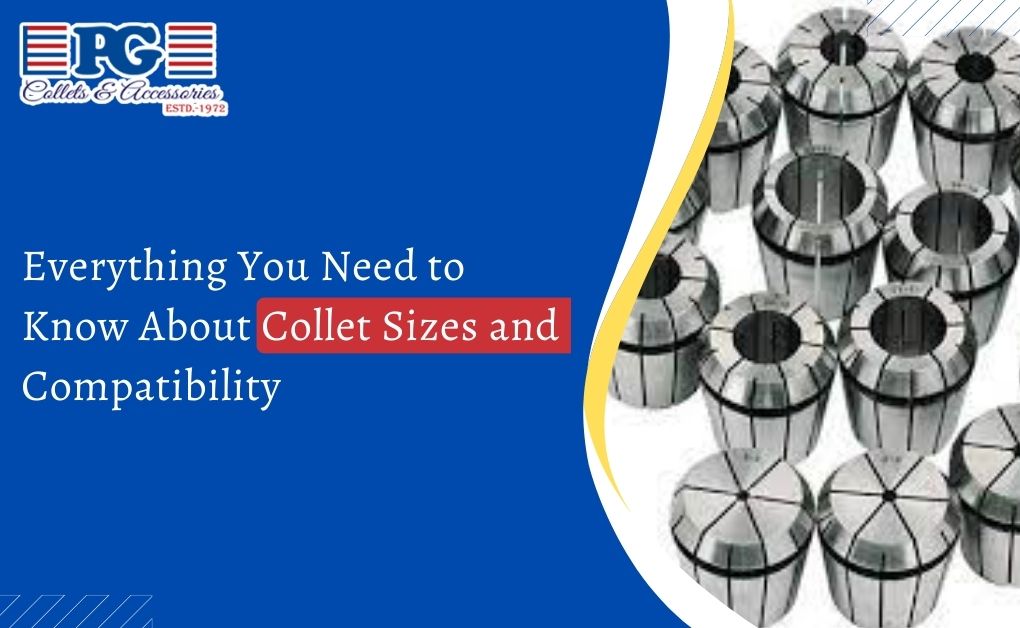
In the world of precision machining, one small component plays a massive role in ensuring accuracy and performance: Collets. Whether you’re working with a CNC machine, milling setup, or lathe, selecting the right collet size and type directly impacts productivity and precision. Yet, many machinists often overlook the finer details of collet sizes and compatibility.
If you’ve ever been confused about choosing between an R8 collet, 5C collet, 16C collet, 3J collet, or even specialized types like a 5C emergency collet, this guide is for you. Let’s dive deep into everything you need to know about collet sizes, compatibility, and how to make the best choice for your tooling requirements.
What Are Collets and Why Do They Matter?
Collets are holding devices designed to grip workpieces or cutting tools firmly. Unlike standard chucks, collets provide uniform clamping pressure, reducing vibration and improving machining accuracy. This results in:
- Higher precision in machining
- Better surface finish
- Reduced tool wear
- Increased safety during operations
From general turning applications to advanced custom tooling, collets remain one of the most reliable workholding solutions in the machining industry.
Understanding Collet Sizes: The Basics
Collet sizes refer to the dimensions and specifications that determine compatibility with a specific machine or toolholder. While the outer diameter is designed to fit into the collet chuck, the inner diameter grips the workpiece or cutting tool.
Different collet systems are used across industries. For instance:
- R8 Collet – Popular in milling machines (especially Bridgeport-style mills).
- 5C Collet – Widely used in lathes and grinders for small to medium-sized workpieces.
- 16C Collet – Offers a larger capacity, commonly used in CNC lathes.
- 3J Collet – Known for handling larger bar stock compared to 5C.
- 173E Collet and F37 Collet – Specialized options for specific machines and operations.
Each of these collet types comes in standard and emergency versions to suit different machining needs.
Hook: Why Compatibility Can Make or Break Your Machining Setup
Imagine investing in high-quality tooling, only to discover that your chosen collet chuck is incompatible with the workpiece size or machine spindle. The result? Downtime, inefficiency, and even costly mistakes.
This is why understanding collet compatibility is not just a technical requirement—it’s a key factor in maintaining machining excellence. With the right collet, you unlock smoother operations and longer tool life.
Types of Collets and Their Applications
Let’s break down some of the most popular types of collets and where they are best applied:
1. R8 Collet
- Designed mainly for milling machines.
- Provides excellent accuracy for tool holding.
- Best for light to medium machining tasks.
2. 5C Collet
- One of the most versatile collets in the industry.
- Works perfectly with 5C collet chucks.
- Widely used in lathes and grinders.
- Great for holding smaller workpieces.
3. 16C Collet
- Larger than the 5C collet, offering extended gripping capacity.
- Used in CNC lathes where heavy-duty clamping is required.
4. 3J Collet
- Handles larger bar stocks efficiently.
- Offers excellent concentricity, making it suitable for high-precision applications.
5. Emergency Collets (5C and 16C)
- 5C Emergency Collet and 16C Emergency Collet allow machinists to bore the collet to the exact size of a custom workpiece.
- Ideal for irregular or oversized stock.
6. 173E Collet and F37 Collet
- Specialized collets designed for unique machine requirements.
- Used where precision and application-specific fitment are critical.
Choosing the Right Collet for Your Setup
When selecting collets, consider the following factors:
- Machine Type – Milling, turning, or grinding.
- Workpiece Size – Match the inner diameter of the collet.
- Material of Workpiece – Harder materials may require a more robust collet.
- Operation Type – Precision finishing or heavy-duty machining.
- Emergency Needs – For irregular workpieces, emergency collets are a must.
The Role of a Trusted Collet Manufacturer
Not all collets are created equal. Precision, durability, and consistency depend on choosing the right supplier. If you’re looking for a collet manufacturer in India or a custom collet manufacturer, it’s essential to choose one that adheres to international quality standards.
Brands like PG Collets have built a reputation for offering high-precision collets that ensure compatibility and long service life. With expertise in both standard and custom collet manufacturing, they serve diverse industries ranging from automotive to aerospace.
Maintenance Tips for Longevity
Even the best-quality collets require proper care. Here’s how you can extend their lifespan:
- Regularly clean collets and collet chucks to prevent debris buildup.
- Avoid over-tightening, which can cause premature wear.
- Inspect for wear and tear frequently.
- Use lubricants designed for high-precision tooling.
- Replace damaged or worn-out collets immediately to maintain accuracy.
Future Trends in Collet Technology
The machining industry is evolving with smart manufacturing, automation, and high-speed machining. Collets are also adapting:
- Advanced coatings for reduced wear.
- High-precision designs for ultra-fine tolerances.
- Custom collets tailored for automation and robotic systems.
This shift highlights the growing need for manufacturers who can offer both standard and custom collet solutions.
Conclusion
Choosing the right collet size and ensuring compatibility is more than a technical necessity—it’s the foundation of precision machining. From the widely used 5C collet and R8 collet to specialized types like the 173E collet and F37 collet, every collet has its role in the machining ecosystem.
Whether you’re investing in a 5C collet chuck for everyday tasks or a 5C emergency collet for custom applications, the key lies in selecting quality products from a trusted collet manufacturer in India. Brands like PG Collets are leading the way by offering high-precision solutions tailored to diverse machining needs.
By understanding collet sizes and compatibility, you not only improve accuracy but also unlock the true potential of your machines. In the end, the right collet ensures that every cut, every hold, and every operation is executed with unmatched precision.👉 Looking for reliable, high-performance collets for your setup? Explore PG Collets today and get the perfect collet solution designed for your machining needs!