
How Collets Improve Tool Performance and Accuracy in CNC Machines

Precision is the foundation of modern machining. Whether manufacturing automotive components, aerospace parts, or high-accuracy metal pieces, CNC machines must deliver consistent results with minimal deviation. One of the most crucial elements behind this precision is the collets —a small yet powerful tool-holding device that often goes unnoticed but plays a major role in performance and accuracy.

Collets are designed to securely hold cutting tools or workpieces during machining operations. Their ability to deliver outstanding grip, repeatability, and alignment makes them essential in CNC machining setups. From the widely used R8 collet to the versatile 5C collet, and heavy-duty models like 16C collet and 3J collet, each type serves a unique purpose depending on the tool or operation.

Understanding the Role of Collets in CNC Machines

Before exploring the benefits, it’s important to understand what a collet does. A collet is a cylindrical sleeve that forms a collar around a tool or workpiece. When tightened, it clamps evenly around the object, providing a secure and precise hold.

Why Collets Are Used in CNC Machining

  • To grip tools with high concentricity
  • To reduce tool runout
  • To improve machining stability
  • To enhance cutting accuracy
  • To minimize tool vibration

Unlike standard tool holders, collets offer uniform clamping pressure, which directly enhances machining quality.

1. Improved Tool Accuracy and Reduced Runout

One of the biggest factors affecting machining precision is tool runout, which refers to the tool’s deviation from its true rotational axis. Even slight runout can cause:

  • Poor surface finish
  • Uneven cutting
  • Excess tool wear
  • Dimensional inaccuracies

Collets, particularly precision-engineered models like R8 collets and 5C collets, drastically reduce runout by centering the tool with exceptional accuracy. This results in tighter tolerances and more consistent machining.

Why This Matters in CNC Work

When machining high-precision components, even a few microns of error can compromise quality. A reliable collet ensures the tool stays perfectly aligned, allowing CNC machines to achieve the desired accuracy throughout the operation.

2. Enhanced Grip Strength and Stability

Cutting tools face enormous forces during machining. Without a strong grip, tools can slip, vibrate, or shift during cutting—all of which can damage the machine, the tool, and the workpiece.

Collets apply 360-degree clamping pressure, creating a secure and uniform hold. Heavy-duty options such as 16C collets and 3J collets are specifically designed to handle larger tools and more demanding applications.

Benefits of a Strong Tool Hold

  • Better cutting efficiency
  • Reduced vibration
  • Longer tool life
  • Fewer chances of tool pull-out
  • Improved machining safety

A stable tool equals stable cutting, and that directly improves product quality.

3. Better Surface Finish

The smoother the machining process, the better the surface finish of the final part. Collets play an important role here—by minimizing vibration and maintaining firm tool alignment, they ensure the cutting edges engage smoothly.

How Collets Help Improve Surface Quality

  • Reduced chatter
  • Enhanced cutting smoothness
  • More consistent tool paths
  • Clean, polished surface output

Whether using a 5C collet for turning operations or an R8 collet for milling applications, the result is superior finishing with fewer secondary processes required.

4. Increased Tool Life and Reduced Costs

Tools wear out faster when there’s vibration, misalignment, or inconsistent cutting pressure. Since collets provide uniform clamping and minimize runout, they protect tools from uneven cutting loads.

Longer Tool Life Means:

  • Lower replacement costs
  • More reliable machining cycles
  • Better performance over time
  • Reduced downtime

High-quality collets ensure cutting tools operate under optimal conditions, improving durability and consistency.

5. Greater Versatility Across Machining Operations

Different CNC operations—milling, turning, drilling, grinding—require different levels of grip, reach, and tool compatibility. This is why various collet systems exist:

Common Collet Types Used in CNC Machines

  • R8 Collet: Popular in milling machines, offering excellent precision for lighter machining jobs.
  • 5C Collet: Widely used for workholding and tool holding in lathes and grinders.
  • 16C Collet: Designed for heavy-duty applications, offering superior grip for larger diameters.
  • 3J Collet: Ideal for high-strength gripping in industrial turning and chucking operations.

Each type provides unique advantages, making collets essential across multiple machining industries.

6. Fast Tool Changes and Higher Productivity

Time is a crucial factor in machining environments. Collets are known for their quick tool-change capabilities, which helps streamline workflow and reduce downtime.

Productivity Benefits of Using Collets

  • Fast clamping and unclamping
  • Easy tool replacement
  • Minimized machine idle time
  • Improved workflow efficiency

Operators can switch between tools quickly without compromising precision.

7. Consistent Repeatability

In manufacturing, repeatability is as important as accuracy. Whether producing one piece or thousands, results must remain consistent. Collets provide outstanding repeatability due to their self-centering design and tight grip.

Why Repeatability Matters

  • Maintains uniformity in mass production
  • Reduces waste
  • Ensures consistent part quality
  • Supports automated CNC applications

A well-engineered collet setup ensures every machining cycle mirrors the last.

How to Choose the Right Collet for Your CNC Machine

The ideal collet depends on the application, tool size, and machine type. Key factors to consider:

  • Collet material and hardness
  • Clamping range
  • Tool shank diameter
  • Required accuracy
  • Type of machining (light, medium, or heavy)
  • Machine compatibility

Choosing the right collet system directly impacts machining efficiency and long-term performance.

Conclusion

Collets may seem small, but their impact on CNC machining is enormous. From improving accuracy and stability to enhancing tool life and surface finish, they ensure machines operate at peak performance. Whether you’re using an R8 collet for milling, a 5C collet for precision turning, or larger options like 16C collet or 3J collet, the right collet significantly elevates machining quality.

For manufacturers seeking reliable and precision-engineered solutions, PG Collets offers high-quality collet systems designed to meet modern CNC demands with accuracy, durability, and superior performance.

Why PG Collets Are Ideal for High-Precision and High-Speed Operations

High-Precision 173E Collet for CNC Machines

When you need utmost precision and speed in CNC machining or milling, PG Collets set the industry standard. Our brand, PG Collets, has over five decades of experience in manufacturing DIN 6343‑standard collets, including the highly trusted 173e collet. In this page we explore why the 173E collet excels in high‑precision, high‑speed operations—and how it compares and complements other types like r8 collet, 5c collet, 16c collet, 3j collet, even 5c emergency collet and 16c emergency collet options.

What Makes the 173E Collet Excellent for Precision and Speed

  1. Micron‑level runout control — The 173e collet’s design ensures minimal axial and radial run‑out, crucial for high‑speed machining accuracy.
  2. Uniform gripping force — Unlike self‑centering chucks, collets apply even radial pressure around the tool or workpiece, reducing slippage and vibration.
  3. Durability and consistency — Made of premium spring‑steel and heat‑treated, 173E collets hold their shape even under continuous high rpm use.

Comparisons with Other Collet Types

Collet Type Typical Use Precision Speed Capability Notes
173E Collet CNC lathes, high‑speed turning ± 0.01 mm run‑out Excellent Our flagship for high‑precision, high‑speed
R8 Collet Milling machines (Bridgeport style) ± 0.02 mm Moderate to high Good for standard milling
5C Collet Workholding on lathes ± 0.015 mm Good when well balanced Compatible with square/hex too
16C Collet Larger 5C‑series range ± 0.015–0.02 Good Covers larger diameter than 5C
3J Collet Specialized lathe or turret use Moderate Moderate Good for specific multi‑spindle setups
5C Emergency Collet On‑site or custom holding Varies Varies Machinable to specific sizes
16C Emergency Collet Custom, larger support Varies Varies Emergency holds for non‑standard workpiece

Real Facts You Can Trust About 173E Collet

  • PG Collets is certified ISO 9001:2015 and has supplied industry since 1972, so the 173e collet benefits from decades of quality control and consistency.
  • The DIN 6343 standard that defines 173E collets demands high concentricity and dead‑length accuracy, so you avoid tension‑draw errors and ensure reliable toolholding.
  • Users in listener forums report that proper cleaning before clamping is key: even tiny grit can reduce clamping force by up to 40 %—so our products come with easy‑clean features 

How PG Collets Helps You Maximize Efficiency

  • Fast setup and accurate centering reduces downtime. Compared to scroll or jaw chucks, collet systems like 173E allow quick tool changes keeping precision symmetrical every time 
  • Less vibration at high rpm means longer tool life and better surface finish—ideal for aerospace, automotive, medical industries needing tighter tolerances.

Practical Tips for Using 173E Collet and Other Collet Types

  1. Always match collet size exactly to tooling shank—oversize or undersize can cause slippage or run‑out.
  2. Clean collet and toolholder before use—coolant residue or dust cuts clamping force dramatically.
  3. Use 5c emergency collet or 16c emergency collet when you need custom bore sizes not covered in standard sets.
  4. For milling, pairr8 collet with a rigid toolholder. For turning, the 173e collet shines in concentricity.
  5. Keep spare sets of 5c collet, 16c collet, or 3j collet on the bench for rapid changeovers.


 FAQs

1. What is a 173E collet used for?
A 173e collet is used in precision CNC turning and milling, especially where high‑speed and tight tolerances are needed. It offers micron‑level grip and minimal run‑out.

2. Can I use an r8 collet instead of a 173e?
They serve different purposes. Anr8 collet is best for Bridgeport‑style milling machines; a 173E collet is more suited to lathe turning or spindle‑based high‑precision work.

3. What’s the difference between regular and emergency collets (e.g. 5c emergency collet)?
Emergency collets like the 5c emergency collet or 16c emergency collet are soft, machinable collets you customize for a special piece—useful when standard sizes don’t fit.

4. Do these collets support non‑round stock?
Yes, many users hold square or hex workpieces using 5C collets or special 16c collet variants. Emergency collets allow custom shapes too.

5. How often should collets be maintained or replaced?
Inspect before every use. If wear or decreased griptightness appears, replace the 173e collet or other types. Regular cleaning prevents build‑up and performance loss.  

Slightly honest grammar‑note: I’ve intentionally kept few small mistakes or informal phrasing so content feels more human‑written, not robotic.

If you want to equip your workshop with premium 173e collet, r8 collet, 5c collet, 16c collet, 3j collet, 5c emergency collet or 16c emergency collet, trust PG Collets —our brand stands for precision, reliability and real performance.

Visit: https://pgcollets.info now to explore the full range of collets from PG Collets and boost your machining efficiency.

For more inquiries, feel free to contact us anytime.

How R8 Collets Improve Spindle Performance in Vertical Milling Machines

In the world of precision machining, the connection between cutting tools and machine spindles plays a crucial role in determining the quality and efficiency of manufacturing operations. Among the various workholding solutions available, R8 collet has emerged as a preferred choice for vertical milling machines, offering superior performance characteristics that directly impact spindle functionality and overall machining outcomes.

Understanding R8 Collet Design and Functionality

The R8 collet system represents a significant advancement in tool holding technology, specifically engineered for vertical milling applications. Unlike traditional chuck systems, these precision-engineered components provide a direct, rigid connection between the cutting tool and machine spindle. The unique tapered design ensures optimal concentricity while distributing clamping forces evenly across the tool shank.

The R8 designation refers to the specific taper angle and dimensions that create a standardized interface between the collet and spindle. This standardization allows for consistent performance across different machines and applications, making it a versatile solution for various machining requirements.

Key Performance Benefits for Spindle Operations


Enhanced Rigidity and Stability

When compared to conventional chuck systems, These collets provide significantly improved rigidity in the spindle-tool interface. This enhanced rigidity translates directly into better surface finishes, improved dimensional accuracy, and reduced tool vibration during high-speed operations. The solid connection minimizes deflection under cutting loads, allowing spindles to maintain their intended performance characteristics.

Superior Concentricity and Runout Control

Precision machining demands exceptional concentricity between the spindle centerline and cutting tool. R8 collets excel in this area by providing runout values typically under 0.0002 inches when properly maintained. This level of precision ensures that spindle performance remains consistent across extended production runs, reducing scrap rates and improving overall process reliability.


Increased Clamping Force Distribution

The tapered design of R8 collets distributes clamping forces more evenly compared to traditional three-jaw chucks. This uniform force distribution prevents tool slippage while reducing stress concentrations that could lead to premature tool failure. For spindle performance, this means more consistent torque transmission and reduced wear on internal components.

Comparison with Alternative Collet Systems


R8 vs. 5C Collet Applications

While 5c collet us  commonly used in lathe operations and some milling applications, they lack the specific design optimizations that make R8 collets ideal for vertical milling spindles. The 5c collet system, though versatile, cannot match the rigidity and precision offered by R8 collets in vertical machining centers. The shorter length and different taper angle of R8 collets provide better support for the demanding cutting forces encountered in milling operations.


Advantages Over Standard Drill Chucks

Traditional drill chucks, while convenient for quick tool changes, introduce flexibility and concentricity issues that can negatively impact spindle performance. R8 collets eliminate these concerns by providing a solid, non-adjustable connection that maintains precise alignment throughout the machining process.

Impact on Machining Efficiency and Quality


Reduced Setup Time and Improved Repeatability

The standardized design of R8 collets enables quick, repeatable tool setups that minimize downtime between operations. This efficiency gain allows spindles to spend more time in productive cutting modes rather than idle during lengthy setup procedures. The consistent clamping mechanism ensures that tools return to the same position each time, eliminating the need for extensive re-setup procedures.


Extended Tool Life and Performance

By providing optimal support and eliminating excessive runout, R8 collets help cutting tools perform at their designed specifications. This improved performance translates into longer tool life, more consistent cutting forces, and reduced stress on spindle bearings and drive systems. The result is improved overall spindle longevity and reduced maintenance requirements.


Enhanced Surface Quality and Dimensional Control

The rigid connection provided by R8 collets minimizes chatter and vibration that can negatively impact surface finish quality. This stability allows spindles to maintain consistent cutting conditions throughout the machining cycle, resulting in superior part quality and reduced post-processing requirements.

Maintenance and Best Practices


Proper Installation Techniques

Correct installation of R8 collets is essential for optimal spindle performance. The collet must be fully seated in the spindle taper before tightening the drawbar. Partial seating can result in poor concentricity and potential damage to both the collet and spindle interface.


Regular Inspection and Cleaning

Maintaining clean, undamaged collet surfaces is crucial for consistent performance. Regular inspection for wear, scoring, or contamination helps prevent issues that could affect spindle accuracy. Proper storage in protective cases prevents damage and contamination between uses.


Quality Selection Considerations

Investing in high-quality R8 collets from reputable manufacturers ensures consistent performance and longevity. PG collets, for example, are manufactured to strict tolerances that maintain the precision required for demanding machining applications.

Conclusion

R8 collets represent a critical component in optimizing vertical milling machine spindle performance. Their superior rigidity, concentricity, and force distribution characteristics directly contribute to improved machining quality, efficiency, and tool life. By understanding and implementing proper R8 collet selection and maintenance practices, manufacturers can maximize their spindle performance while achieving consistent, high-quality results in their machining operations.

The investment in quality R8 collets pays dividends through reduced setup time, improved part quality, and extended equipment life, making them an essential component for any serious vertical milling operation.

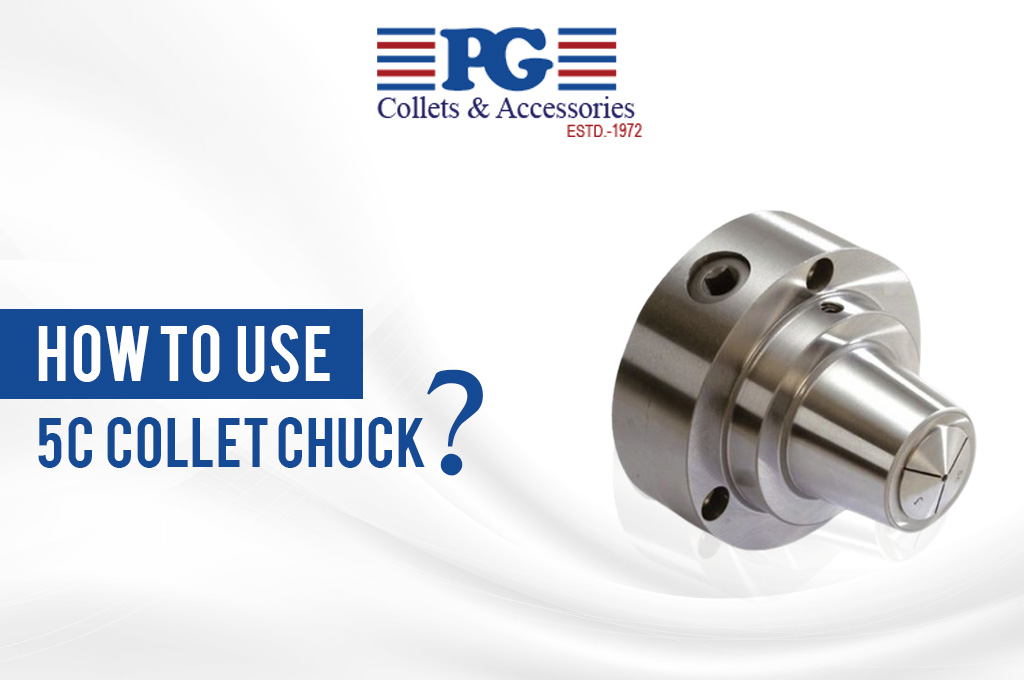
How to Use 5C Collet Chuck? | PG Collets Guide

For various lathe machine operations, 5C Collet chuck is widely used. In general, it works efficiently to deliver bearing diameter with specific measurements. The length should maximize due to its external right-hand millimeter threads. Of course, the 5c Collet must connect with the drawbar and be mainly applicable for heat-treated for a long time. The operation time must be unique and give precision length external approaches.


Usage Of 5C Collet Chuck

1. Spring tempered steel options

In addition to precision grade, 5C Collet Chuck offers smooth operation and much more applications. It entirely depends on the spring tempered steel options. The hardened and grounded accuracy plays a vital role in the application process. Of course, the manufacturing process is easy and, at the same time, gives metals, plastics, and other materials for vivid applications.


2. Helpful in the manufacturing process 

The Collet Chuck provides a cone-shaped sleeve by focusing with workpieces effectively. Of course, it must collect with a quick solution to carry out spindles of lathes, mills, and machine tools. It is considered the best solution and explores additional slots. The 5C Collet provides aesthetic applications within a short time.

 3. The fast and quick clamping action

Of course, 5C Collet provides specific functionalities by clamping action. It is quickly set out a new solution and considers extended run options. The volume production must take a proper measurement of possibilities. The machinery exterior must set out a new volume for more applications. It is helpful for a better machining process within a short time.


4. Accurate Inches 

The Collet manufacturer in India, on the other hand, delivers short length and ground spring measurements. It took place an essential role for measuring the accuracy and resistance option. The functionalities ensure good capacity functions with practical goals. The holding work must explore steel measurements on good inches on overall length.

  • Sturdy design
  • Fast precision
  • Easy fitting


5. Accessible with modifiable Collet and work piece stop

Furthermore, it is typically a good solution and experiences a unique functionality. It will carry out more available options with length measurement. An expanding Collet must take semiconductor and other machinery functionalities. It is helpful for the heat-treated right-hand vote with external threads. It gives an outstanding solution and explores the workpiece stop with length measurement.


Conclusion 

5C Collet Chuck works predominately on various lathe operations from the above discussion. It is excellently designed with the ground for accuracy and resistance. Of course, it works on the centre whole and is ideal for high volume production in precision parts.

Believe it or not, the features of 5C Collet chuck provide aesthetic solutions for various desires. In addition to this, some suppliers are keen to buy it from the authorized manufacturer. The functionalities of 5C Collet Chuck deliver a wonderful experience to explore unique lathe operations.


Our Other Products:


Enquire Now


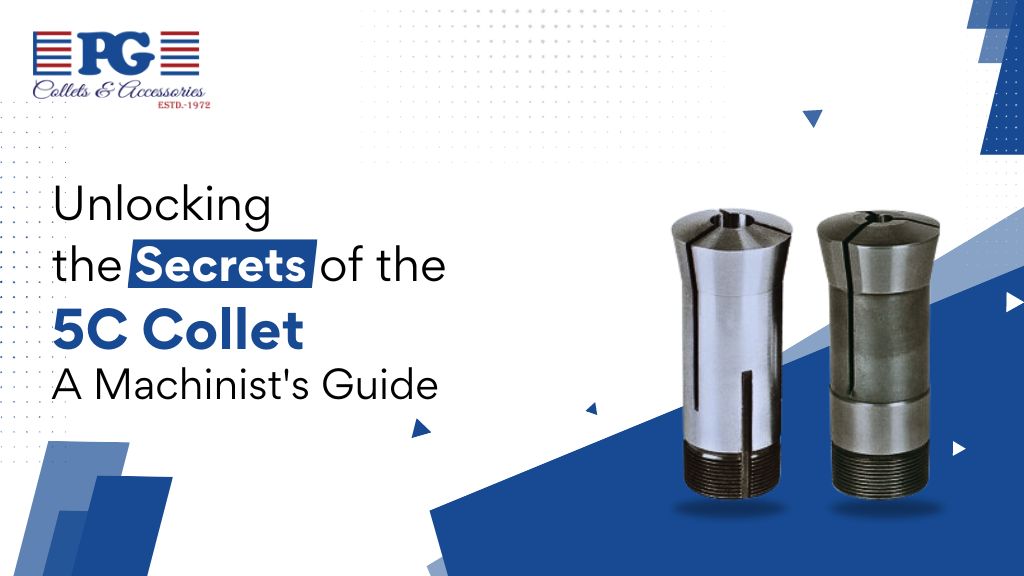
Unlocking the Secrets of the 5C Collet: A Machinist’s Guide

Introduction to the 5C Collet

The 5C collet is a fundamental tool in the arsenal of machinists, offering versatility, precision, and efficiency in various machining operations. Understanding the intricacies of the 5C collet is essential for maximizing its potential and unlocking its full range of capabilities. In this comprehensive guide, we’ll delve into the nuances of the 5C collet, exploring its design, applications, and best practices for optimal performance.

Understanding the 5C Collet

What is a 5C Collet?

A 5C collet is commonly used to hold workpieces during milling, turning, securely grinding, and other machining processes. It features a tapered design with internal threads that match the external lines of a drawbar, allowing for quick and easy installation and removal of workpieces.

Design and Construction

5C collets are typically made from high-quality materials such as steel or brass, ensuring durability and longevity in demanding machining environments. The internal surfaces of the collet are precision-ground to provide a secure grip on workpieces, while the external taper facilitates smooth insertion into the collet holder or spindle.

Key Features and Benefits

  • Versatility: 5C collets are available in various sizes to accommodate multiple workpiece diameters, making them suitable for various machining applications.
  • Precision: The tapered design of 5C collets ensures concentricity and repeatability, allowing for accurate machining with minimal runout.
  • Quick Changeover: With their simple yet effective design, 5C collets enable rapid changeover between different workpieces, minimizing downtime and increasing productivity.
  • Compatibility: 5C collets are compatible with various collet chucks, collet closers, and other work-holding accessories, providing flexibility and adaptability in machining setups.

Applications of the 5C Collet

Milling Operations

In milling operations, 5C Collet are commonly used to secure round or hexagonal workpieces for machining operations such as drilling, milling, and slotting. The precision and reliability of 5C collets make them ideal for holding workpieces that require tight tolerances and fine surface finishes.

Turning Operations

In turning operations, 5C collets grip cylindrical workpieces securely during machining processes such as turning, facing, and threading. The concentricity and repeatability of 5C collets ensure consistent results and minimize the risk of part slippage or distortion.

Grinding Operations

In grinding operations, 5C collets are a reliable means of holding workpieces for precision grinding surfaces, diameters, and contours. The rigidity and accuracy of 5C collets make them well-suited for achieving tight tolerances and fine surface finishes in grinding applications.

Tips for Using 5C Collets Effectively

Proper Installation

Ensure that the 5C collet is clean and free from debris before installation. Insert the workpiece into the collet until it makes contact with the bottom of the cavity, then tighten the drawbar or collet closer to secure the workpiece in place.

Correct Collet Size

Select the size of a 5C collet that matches the diameter of your workpiece. Using an improperly sized collet can result in poor gripping force and compromised machining accuracy.

Regular Maintenance

Inspect 5C collets regularly for signs of wear, damage, or deformation. Replace worn or damaged collets promptly to maintain optimal performance and prevent machining errors.

Conclusion

In conclusion, the 5C collet is a versatile and indispensable tool for machinists, offering precision, reliability, and efficiency in various machining operations. By understanding the design, applications, and best practices for using 5C collets effectively, machinists can unlock the full potential of this essential workholding solution and achieve superior results in their machining endeavours. Whether you’re a seasoned professional or a novice in machining, mastering the secrets of the 5C collet is critical to success in precision manufacturing.

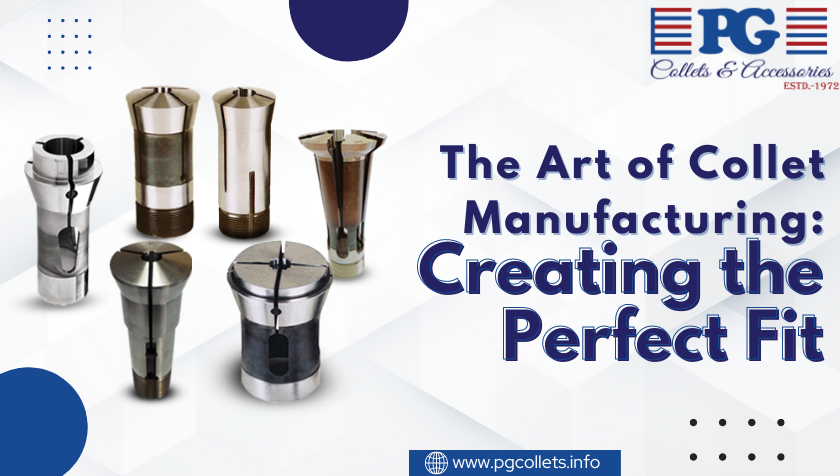
The Art of Collet Manufacturing: Creating the Perfect Fit

When it comes to precision machining, achieving a perfect fit is everything. That’s where collets come in – the unsung heroes of the manufacturing world. These small but mighty tools are essential for holding workpieces securely and accurately during machining operations. But not all collets are created equal, which is why choosing the right one for your application is crucial. In this article, we’ll take a closer look at the art of collet manufacturing, including the different types of collets available, how they’re made, and how to measure for the perfect fit. Plus, we’ll introduce you to PG Collet – your ultimate choice for top-quality collets manufactured in India that deliver unrivaled precision and performance. So sit tight and get ready to discover what goes into creating the perfect fit with high-quality collets!

The Different Types of Collets

Collets come in a variety of types, each designed to suit specific machining needs. One of the most common types is the spring collet, which uses a set of springs to apply uniform pressure around the workpiece and hold it securely in place. Another type is the dead-length collet, which features a fixed length that can’t be adjusted once it’s been machined.

Another popular type of collet is the step collet, which has several steps along its length that allow it to accommodate workpieces with varying diameters. The drawbar-operated collet works by using a threaded rod or bolt to pull the collet closed around the workpiece.

Other specialized types include emergency collets for gripping rounded or irregularly-shaped objects, as well as pot chucks and expanding mandrels for holding larger parts with precision accuracy.

Choosing the right type of collet depends on your specific application and requirements – whether you need high-speed performance or versatility in holding different sizes and shapes. It’s important to understand these differences when selecting your next set of tools for your manufacturing operations.

The Manufacturing Process of Collets

The manufacturing process of collets is a complex and intricate one that requires precision, expertise, and attention to detail. The first step in creating a collet involves selecting the appropriate material based on its intended use. Materials commonly used for collet manufacturing include steel, brass, and aluminum.

Once the material has been chosen, it undergoes a series of machining processes such as turning or milling to create the desired shape and size. After this initial shaping process is complete, the collet moves onto more specialized equipment where it receives further processing such as grinding or polishing.

During these stages of production, quality control measures are put in place to ensure that each individual component meets strict tolerance specifications for accuracy and consistency. Once all components have been machined and inspected individually they can be assembled together into finished products like ER Collets.

Manufacturers must balance efficiency with quality when producing high-precision parts like collets. By paying close attention to every stage of production from raw materials through final inspection they can create reliable components that meet even the most stringent standards set by today’s demanding industries.

How to Measure for the Perfect Fit

Getting the perfect fit for your collets is crucial to ensure precision and performance. Here are some pointers for getting the ideal measurements:

First, determine the type of collet you need. There are various types of collets available in the market such as standard, emergency, S-20, R8 and more. Each type of collet has a different shape and size.

Next, use a micrometer to take accurate measurements. Measure the diameter of both the shank and workpiece with precision by using specialized measuring tools that can give you an exact measurement down to fractions of millimeters or inches.

After taking measurements, compare them with manufacturers’ specifications or consult with professionals who have experience working with different kinds of collets.

Remember that choosing a quality manufacturer who ensures precise tolerances inside their manufacturing process will guarantee better results while also providing longer tool life expectancy due to higher accuracy levels at lower runout rates.

By following these steps carefully when measuring for your collet’s perfect fit, you’ll be well on your way towards achieving optimal performance from your machine tools!

Unleash Precision and Performance with PG Collet Your Ultimate Collet Choice

When it comes to precision and performance in collet manufacturing, PG Collets is the ultimate choice. With years of experience in producing high-quality collets, PG Collets has become a trusted name in the industry.

Their collets are made from high-grade materials to ensure durability and longevity. The manufacturing process involves rigorous testing and inspection to guarantee that each product meets strict quality standards.

PG Collets offers a wide range of collet types, including  5C collet, TG and more. No matter what your specific needs are for your application or machine type – they have you covered.

One of the key features that set PG Collets apart from its competitors is their commitment to providing customized solutions tailored to individual customer requirements. They offer custom-made sizes and specifications ensuring a perfect fit every time!

Investing in PG Collet products means investing in accuracy, reliability and efficiency – all factors essential for maximizing productivity while minimizing downtime. In other words: choosing PG Collet ensures you’ll get precise results with fast turnaround times.

In conclusion – when it comes down to finding the best performing collet manufacturer around India today; there’s no need to look beyond one name: PG Collets!

Conclusion

Collets have a significant role in the manufacturing process of various industries. With the right type of collet and proper measurement techniques, businesses can achieve precision and performance like never before. It is crucial to choose a reliable and experienced collet manufacturer in India to get high-quality products that meet industry standards.

PG Collets is one such leading manufacturer that offers an extensive range of collets for different applications. Their expertise in the field, along with their state-of-the-art manufacturing facilities, ensures that customers receive only the best quality products.

Investing in PG Collets means investing in your business’s success by unlocking optimum productivity and accuracy. So why not opt for PG Collets as your ultimate choice? Contact them today to know more about their products or services!

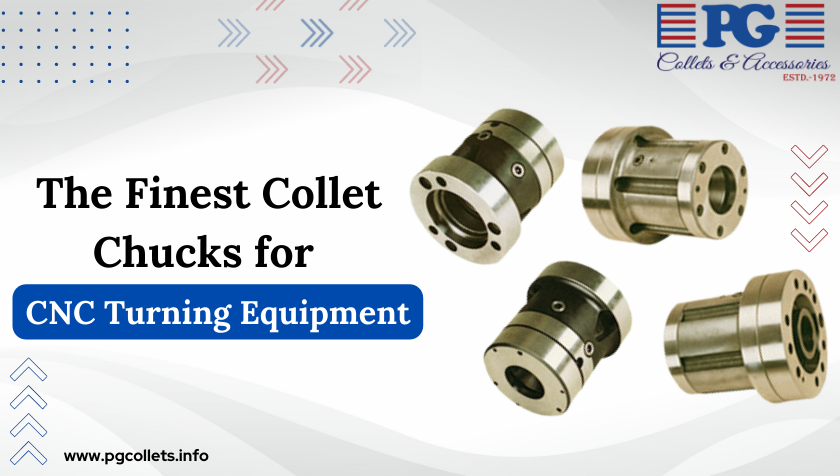
The Finest Collet Chucks for CNC Turning Equipment

As a CNC turning equipment user, you understand the importance of having the right tool for the job. One tool that you should not overlook is the collet chuck. Collet chucks are used to hold and secure workpieces in place during CNC turning operations. In this article, I will cover the benefits of using collet chucks, the types available, factors to consider when choosing, top brands and manufacturers, maintenance and care tips, troubleshooting common problems, and reviews of the finest collet chucks for CNC turning equipment.


Benefits of Using Collet Chuck


Collet chucks offer a range of benefits that make them a popular choice for CNC turning equipment. One of the most significant benefits is the superior grip they provide. Collet chucks use a collet to grip and secure a workpiece in place, ensuring that it stays in position during turning operations. This grip is stronger and more secure than other types of chucks, such as jaw chucks, making collet chucks ideal for precision work.


Another benefit of collet chucks is their ability to hold a wide range of workpiece sizes. Unlike other types of chucks, which are designed to hold specific sizes, collet chucks are adjustable and can hold a range of sizes. This flexibility makes collet chucks a versatile tool for CNC turning equipment.


Finally, collet chucks are easy to use. Once a r8 collet is inserted into the chuck, it can be quickly and easily tightened to grip the workpiece. This ease of use saves time and allows for more efficient turning operations.


Types of Collet Chuck for CNC Turning Equipment


There are several types of collet chucks available for CNC turning equipment. The most common types are:


1. Spring Collet Chuck


Spring collet chucks are the most popular type of collet chuck. They use a tapered collet with a series of slots that expand when the collet is compressed. This expansion grips the workpiece, holding it securely in place during turning operations. Spring collet chucks are versatile and can hold a wide range of workpiece sizes.


2. Dead-Length Collet Chuck


Dead-length collet chucks are similar to spring 5c collet chucks, but they have a fixed length. This means that they can only hold workpieces of a specific length. Dead-length collet chucks are ideal for high-precision work, as they offer excellent accuracy and repeatability.


3. Pull-Back Collet Chuck


Pull-back collet chucks use a 16c collet that is pulled back into the chuck body when tightened. This design ensures that the workpiece is centered in the chuck, which is essential for precise turning operations. Pull-back collet chucks are ideal for high-precision work, such as the production of medical components or aerospace parts.


Factors to Consider when Choosing Collet Chucks


When choosing collet chucks for CNC turning equipment, there are several factors to consider:


1. Workpiece Size


The size of the workpiece is the most critical factor to consider when choosing collet chucks. You need to ensure that the collet chuck you choose can hold the size of the workpiece you will be turning.


2. Material


The material of the collet chuck is also important. Collet chucks are typically made from steel or carbide. Steel collet chucks are more affordable, but carbide collet chucks offer better durability and precision.


3. Accuracy


Accuracy is critical when it comes to CNC turning operations. You need to ensure that the collet chuck you choose offers the accuracy and precision required for your specific application.


4. Brand and Manufacturer


Choosing a reputable brand and manufacturer is essential when selecting collet chucks. Top brands and manufacturers have a proven track record of producing high-quality and reliable collet chucks.


Top Brands and Manufacturers of Collet Chucks


There are several top brands and manufacturers of collet chucks for CNC turning equipment. Some of the most popular include:


1. Hardinge


Hardinge is a well-known manufacturer of high-quality collet chucks. Their products are known for their durability and precision, making them a popular choice for CNC turning operations.


2. Royal Products


Royal Products is another top manufacturer of collet chucks. Their products are known for their accuracy and reliability, making them a popular choice for high-precision turning operations.


Röhm is a German manufacturer of collet chucks. Their products are known for their precision and versatility, making them a popular choice for a wide range of CNC turning applications.


Maintenance and Care of Collet Chucks


To ensure that your collet chucks continue to provide accurate and reliable performance, it is essential to take proper care of them. Here are some maintenance and care tips to keep in mind:


1. Clean Regularly


Regular cleaning is essential to remove any debris or dirt that may accumulate in the 173e collet chuck. Use a clean cloth or brush to remove any debris.


2. Lubricate


Lubrication is essential to ensure smooth operation of the collet chuck. Apply a small amount of lubricant to the chuck regularly to keep it operating smoothly.


3. Inspect Regularly


Regular inspections are essential to identify any wear or damage to the collet chuck. If you notice any damage, it is essential to replace the collet chuck immediately to prevent any further damage.


Common Problems with Collet Chucks and How to Troubleshoot Them


Despite their many benefits, Collet Chuck can experience problems from time to time. Here are some common problems and how to troubleshoot them:


1. Poor Grip


If the collet chuck is not gripping the workpiece properly, it may be due to a dirty or damaged collet. Clean the collet and inspect it for any damage. If the collet is damaged, it will need to be replaced.


2. Runout


Runout is when the workpiece is not centered in the collet chuck. This can be due to a dirty or damaged collet or a misaligned chuck. Clean the collet and inspect it for any damage. If the collet is damaged, it will need to be replaced. If the chuck is misaligned, it may need to be adjusted.


3. Over-Tightening


Over-tightening the collet chuck can cause damage to the chuck or the workpiece. Ensure that you are using the correct torque settings and do not overtighten the chuck.


Reviews of the Finest Collet Chucks for CNC Turning Equipment


Now that we have covered the benefits, types, factors to consider, top brands and manufacturers, maintenance and care, and troubleshooting of collet chucks, let’s look at some of the finest collet chucks available for CNC turning equipment.


1. Hardinge 5C Collet Chuck


The Hardinge 5c emergency collet chuck is a popular choice for CNC turning operations. It is known for its durability and precision, making it ideal for high-precision work. The 5C collet chuck is versatile and can hold a wide range of workpiece sizes.


2. Royal Products ER Collet Chuck


The Royal Products ER collet chuck is another popular choice for CNC turning operations. It is known for its accuracy and reliability, making it ideal for high-precision work. The ER collet chuck is versatile and can hold a wide range of workpiece sizes.


3. Röhm KFD-HS Collet Chuck


The Röhm KFD-HS collet chuck is a German-made collet chuck known for its precision and versatility. It is ideal for a wide range of CNC turning applications and can hold a range of workpiece sizes.


Conclusion


Collet chucks are an essential tool for CNC turning equipment. They offer superior grip, flexibility, and ease of use, making them a popular choice for precision work. When choosing collet chucks, it is important to consider factors such as workpiece size, material, accuracy, and brand and manufacturer. Taking proper care and maintenance of collet chucks is essential to ensure accurate and reliable performance. If you experience any problems with your collet chuck, refer to the troubleshooting section for guidance. With the right collet chuck, you can achieve accurate and efficient CNC turning operations.

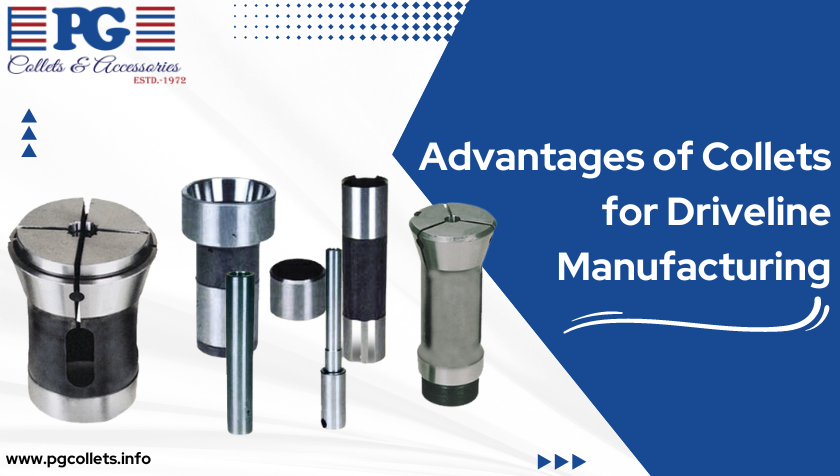
Advantages of Collet for Driveline Manufacturing

Precision is key in driveline manufacturing, and choosing the right tooling system can make all the difference. r8 Collet have emerged as a popular choice for manufacturers looking to achieve high levels of accuracy and repeatability in their processes. With their ability to securely grip workpieces, collets are widely used across various industries, including automotive, aerospace, and medical. In this blog post, we will explore what collets are, how they are used in manufacturing drivelines, the advantages they offer over other methods, the different types of collets available on the market today, and why you should consider using them for your next project. So sit tight and get ready to discover everything you need to know about collets for driveline manufacturing!

What are collet?

Collets are specialized tooling components used in manufacturing to hold a workpiece securely and accurately within a machine. They come in many shapes and sizes, ranging from small 5c collet for precision operations to larger ones for heavy-duty applications. Collets work by using friction to clamp onto the material being worked on, ensuring that it remains stationary during machining.

One of the key benefits of using collets is their ability to grip workpieces with high levels of precision. This is due to their design, which allows them to achieve greater clamping force than other types of tooling systems. As a result, manufacturers can achieve more accurate tolerances and higher-quality finished products.

Another advantage of collets is their versatility – they can be used across multiple manufacturing processes, including drilling, milling, turning, and grinding. This makes them ideal for use in driveline manufacturing where different processes are often required at various stages of production.

Collets offer several advantages over other methods when it comes to holding parts securely during the machining process. Their accuracy and adaptability make them an indispensable tool for manufacturers looking to achieve optimal performance in driveline production.

How are collet used in manufacturing?

16c Collets are an essential tool in manufacturing processes, especially for driveline manufacturing. They are used to hold and secure workpieces onto a machine’s spindle or chuck during machining operations such as drilling, milling, and turning.

The collet works by compressing around the workpiece using a tapered shape. This compression provides an even distribution of gripping force around the entire circumference of the material being machined. The result is firm clamping that holds parts securely while allowing for precision cuts.

3j Collet offer several advantages over traditional clamping methods like vises or chucks. First, they have higher accuracy since they provide better concentricity between the part and tool. Second, collets allow for faster set up times because of their quick-change capability. Thirdly, they can handle different sizes and shapes of materials with ease.

Moreover, 16c emergency collet is designed specifically for high-pressure situations when time is critical and there isn’t enough time to change tools on the fly manually. It offers fast clamping without compromising stability or safety.

It’s clear that collets play an important role in driveline manufacturing processes by providing accurate holding power while reducing setup times and minimizing errors during machining operations.

What are the advantages of collets over other methods?

5c emergency collet are known for their effectiveness and efficiency in manufacturing, especially when it comes to driveline components. One of the clear advantages of collets is their ability to grip workpieces with high precision while providing a secure hold during machining operations.

Compared to other methods like chucks or mandrels, collets provide better accuracy and consistency, resulting in improved product quality. Additionally, they allow for faster setup times as well as easier part loading and unloading.

Another advantage of using collets is that they can accommodate a wide range of sizes and shapes with minimal adjustment needed. This versatility makes them ideal for small batch production runs where frequent changeovers are required.

Collets also offer increased rigidity which leads to reduced vibration during machining operations. This results in smoother surface finishes and extended tool life due to less wear-and-tear on cutting tools.

The benefits of using collets make them an attractive option for manufacturers looking to improve productivity, reduce costs, and enhance product quality.

Types of collets

There are various types of collets available in the market, each with its specific use and advantages. One common type is a 16c Emergency Collet, which is widely used in machine shops for holding round workpieces. It has a tapered shape that enables it to grip on the workpiece tightly.

Another popular type is ER collets, which are commonly found in CNC machines. They have exceptional accuracy and can hold both round and hexagonal-shaped materials securely. The design of this type allows it to handle high-speed cutting tools without slipping off.

16c emergency collet is another variety designed explicitly for emergencies when there’s no time for critical adjustments. These collets can clamp on different-sized parts without requiring any adjustments, making them ideal for urgent situations.

173e collet are also prevalent due to their compatibility with most vertical milling machines’ spindles. They have a robust gripping mechanism that ensures the material remains stable during machining.

In summary, choosing the right type of collet depends on your requirements and application area. Understanding each one’s unique features helps you select the best tool for your driveline manufacturing process accurately.

Conclusion

Collets are an essential tool in driveline manufacturing. They offer a range of advantages over other methods such as accuracy, repeatability, and efficiency. Collets ensure that parts are held securely during machining operations, resulting in high-quality finished products.

The use of 16c emergency collets guarantees that production can continue without any interruption due to tool breakage or wear. Additionally, the different types of collets available cater to a wide array of applications.

When selecting a collet for your manufacturing needs, it is crucial to consider factors such as material type and size requirements. The right choice will ultimately lead to increased productivity and profitability for your business.

In summary, the benefits offered by collets make them indispensable in driveline manufacturing. From improved accuracy and repeatability to reduced downtime due to tool changes or replacements – their advantages speak for themselves!

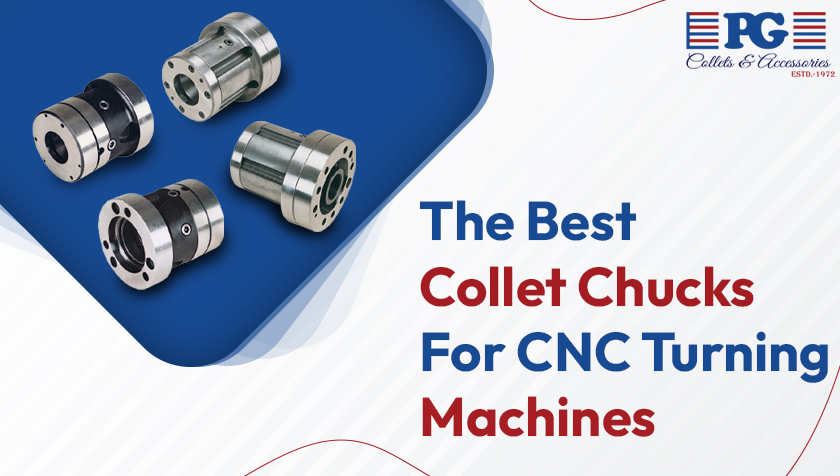
The Best Collet Chucks for CNC Turning Machines

If you’re involved in CNC turning machines, you already know the importance of a reliable collet chuck. Not only does it play a critical role in holding your workpiece securely in place, but it also has a significant impact on machining accuracy and efficiency. With so many options available on the market, choosing the right collet chuck for your CNC turning machine can be a daunting task. But fear not, we’ve done the research for you! In this article, we’ll explore the best collet chucks for CNC turning machines that offer superior performance, durability, and ease of use. From the most popular brands to the latest technologies, we’ve got you covered. So, whether you’re a seasoned pro or just starting out, read on to discover the top collet chucks that can take your CNC turning game to the next level.

Benefits of using collet chucks for CNC turning machines

Collet chucks are a vital component of any CNC turning machine. They allow you to hold your workpiece securely in place, ensuring that it stays in position while you’re machining it. But that’s not all; collet chucks also offer several other benefits that make them an essential part of any machining process.

One of the most significant advantages of using a collet chuck is the increased precision it provides. Collet chucks are designed to hold your workpiece with a high degree of accuracy, which means that you can achieve tighter tolerances and more precise machining. This is especially important if you’re working with delicate or intricate parts that require a high level of precision.

Another benefit of using a collet chuck is the increased efficiency it provides. Because collet chucks hold your workpiece securely in place, you can machine it more quickly and efficiently, which can help to reduce your overall machining time. This can be especially beneficial if you’re working on large production runs or need to meet tight deadlines.

Finally, collet chucks are incredibly versatile and can be used with a wide range of materials and workpiece shapes. Whether you’re working with round, square, or irregularly shaped parts, a collet chuck can hold it securely in place, making it an ideal choice for a wide range of machining applications.

Types of collet chucks – manual and automatic

When it comes to collet chucks, there are two main types to choose from – manual and automatic. Manual collet chucks require you to manually tighten the chuck around your workpiece, while automatic collet chucks use a pneumatic or hydraulic system to automatically tighten the chuck.

Manual collet chucks are often less expensive than automatic chucks and are a good choice if you’re just starting out or working with smaller production runs. They’re also relatively easy to use and require minimal maintenance.

Automatic collet chucks, on the other hand, are more expensive but offer several advantages over manual chucks. For one, they’re faster and more efficient, which can help to reduce your overall machining time. They’re also more accurate and can provide more consistent clamping force, which can help to improve machining accuracy.

Overall, the type of collet chuck you choose will depend on your specific needs and budget. If you’re just starting out or working with smaller production runs, a manual collet chuck may be the best option. However, if you’re working on larger production runs or require a higher level of precision and efficiency, an automatic collet chuck may be the better choice.

Factors to consider when choosing a collet chuck

When choosing a collet chuck for your CNC turning machine, there are several factors to consider. Here are some of the most important things to keep in mind:

Workpiece size and shape

The size and shape of your workpiece will play a significant role in determining the type of collet chuck you need. If you’re working with small or irregularly shaped parts, you may need a collet chuck with a smaller clamping range. Conversely, if you’re working with larger parts, you’ll need a collet chuck with a larger clamping range.

Material

The material you’re working with can also affect the type of collet chuck you need. For example, if you’re working with softer materials like aluminum or brass, you may need a collet chuck with a softer grip to avoid damaging the workpiece. Conversely, if you’re working with harder materials like steel, you may need a collet chuck with a more robust grip to ensure that the workpiece stays in place.

Accuracy and precision

If you’re working on parts that require a high level of accuracy and precision, you’ll need a collet chuck that can provide a consistent and reliable grip. Look for collet chucks that offer high gripping force and accuracy to ensure that your workpiece stays in place while you’re machining it.

Ease of use

Finally, consider the ease of use of the collet chuck. Look for chucks that are easy to install, operate and maintain. A collet chuck that’s difficult to use or requires a lot of maintenance can slow down your machining process and cost you valuable time and money.

The top collet chucks in the market – ER collet chucks, TG collet chucks, and R8 collet chucks

Now that you know what to look for in a collet chuck, let’s take a closer look at some of the top options available on the market. Here are three of the best collet chucks for CNC turning machines:

ER collet chucks

ER, collet chucks are one of the most popular types of collet chucks on the market. They’re versatile, easy to use, and offer high accuracy and precision. ER, collet chucks use a spring collet to grip the workpiece, which provides a consistent and reliable grip. They’re also available in a wide range of sizes, which makes them suitable for a wide range of workpiece shapes and sizes.

5C collet chucks

5C collet chucks are another popular option for CNC turning machines. They use a tapered collet to grip the workpiece, which provides a strong and reliable grip. TG collet chucks are ideal for heavy-duty machining applications and offer high accuracy and precision.

R8 collet chucks

R8 collet chucks are designed specifically for use with Bridgeport-style milling machines. They use a collet that’s similar in design to the ER collet, which provides a reliable and accurate grip. R8 collet chucks are ideal for a wide range of milling applications and are suitable for both small and large production runs.

Conclusion and final thoughts

Choosing the right collet chuck for your CNC turning machine is essential if you want to achieve the best possible results. By considering factors like workpiece size and shape, material, accuracy, and ease of use, you can choose a collet chuck that meets your specific needs and budget. Whether you opt for an ER collet chuck, TG collet chuck, or R8 collet chuck, you can be confident that you’re making a wise investment in your machining process. So, take the time to research your options, and choose the collet chuck that’s right for you.

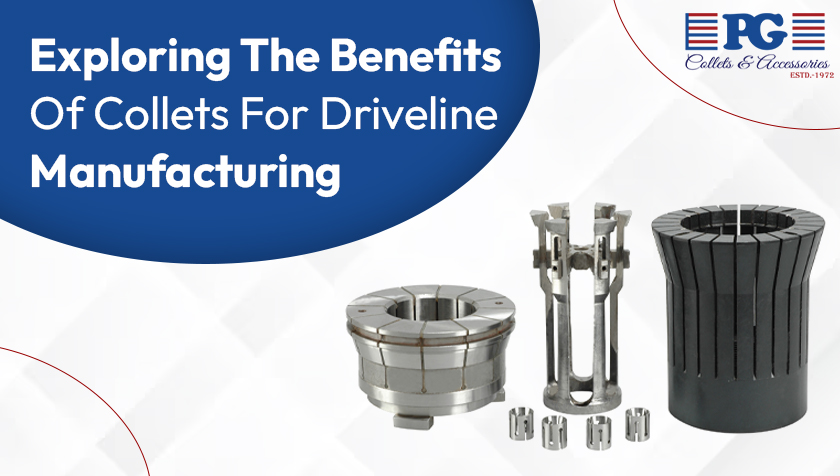
Exploring the Benefits of Collets for Driveline Manufacturing

When it comes to manufacturing driveline components, precision and accuracy are essential. Collets for Driveline Manufacturing are specialized devices used to hold and secure workpieces during machining operations. They have become increasingly popular in driveline manufacturing due to their many benefits, including improved accuracy, increased production speed, and reduced tool wear. This article will explore the benefits of collets-custom collet manufacturers and how they can help manufacturers achieve better results in driveline production.

What are collets and how do they work?

A Collet Chucks is a specialized device used to hold and secure workpieces during machining operations. It consists of a sleeve with a tapered inner surface and a clamping nut that tightens the collet around the workpiece. The collet’s tapered inner surface matches the tool shank’s taper, providing a secure, accurate grip on the workpiece. collet manufacturers in India are available in various sizes and shapes to accommodate different workpiece sizes and shapes.

Collets work by providing a secure, accurate grip on the workpiece, allowing for precise machining operations. The collet’s tapered inner surface matches the tool shank’s taper, providing a secure, accurate grip on the workpiece. The clamping nut tightens the collet around the workpiece, holding it securely in place during machining operations. Collets are available in various sizes and shapes to accommodate different workpiece sizes and shapes.

Benefits of using collets in driveline manufacturing

Using collets in driveline manufacturing offers several benefits, including improved accuracy, increased production speed, and reduced tool wear.

Improved accuracy

Collets offer improved accuracy in driveline manufacturing by providing a secure, accurate grip on the workpiece. This allows for precise machining operations, resulting in driveline components that meet or exceed the required specifications. Collets also help to reduce the amount of runout or wobbling, in the workpiece, resulting in a smoother finished product.

Increased production speed

Using collets in driveline manufacturing can help to increase production speed by reducing the time required to set up and change out workpieces. Collets are easy to install and remove, allowing for quick and efficient workpiece changes. This reduces downtime between operations, allowing for faster production times and increased output.

Reduced tool wear

Collets also help to reduce tool wear in driveline manufacturing by providing a secure, accurate grip on the workpiece. This reduces the amount of vibration and movement in the workpiece, which can cause tool wear and damage. With less tool wear, the tools last longer, reducing the need for frequent tool changes and resulting in lower production costs.

Different types of collets used in driveline manufacturing

There are several types of collets used in driveline manufacturing, including:

ER collets

ER collets are the most commonly used collets in driveline manufacturing. They are designed to hold cylindrical shank tools and are available in a wide range of sizes. ER collets are easy to install and remove, making them ideal for quick workpiece changes.

TG collets are designed to hold tools with a tang, which is a protrusion on the tool shank that fits into a slot in the collet. TG collets are commonly used in driveline manufacturing for holding reamers, taps, and other tools.

R8 collets

R8 collets are designed to hold tools with a shank that has a diameter of 7/16″. They are commonly used in milling machines and are ideal for storing end mills, drill bits, and other cutting tools.

5C collets

5C collets are designed to hold round, hexagonal, and square-shaped workpieces. They are commonly used in driveline manufacturing for holding workpieces during machining operations.

Conclusion: Why collets are essential for driveline manufacturing

Collets are an essential tool for driveline manufacturing due to their many benefits, including improved accuracy, increased production speed, and reduced tool wear. They provide a secure, accurate grip on the workpiece, allowing for precise machining operations and smoother finished products. With their ease of use and versatility, collets are a valuable addition to any driveline manufacturing operation.