
PG Collets - Quality Collets Manufacturers and Exporters in India and Abroad
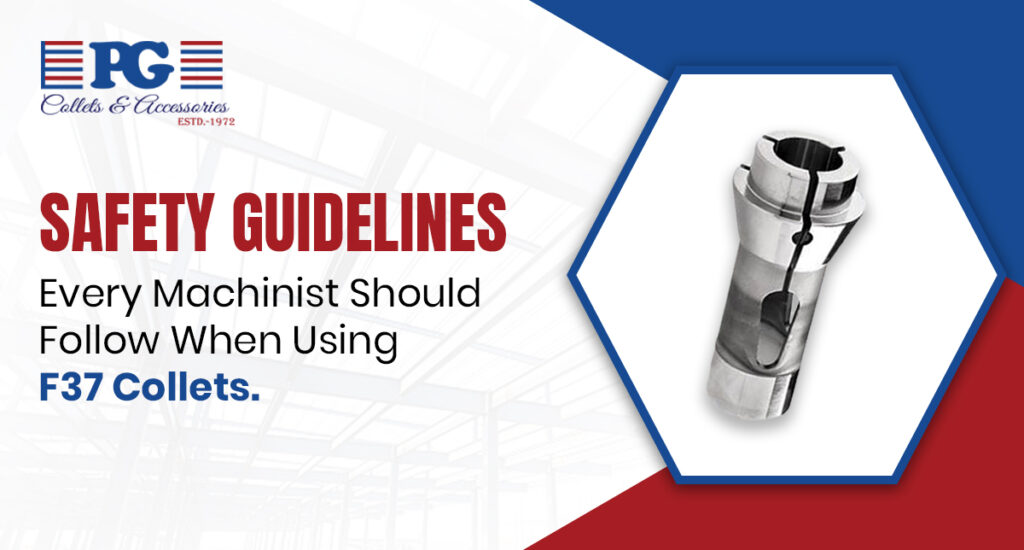
Precision machining depends not only on skill and machine capability but also on the correct and safe use of tooling components. Among these, F37 Collets play a critical role in holding cutting tools securely and ensuring accurate machining results. While collets are designed for strength, precision, and reliability, improper handling or usage can lead to tool failure, machine damage, or even serious injury.
This article outlines essential safety guidelines every machinist should follow when working with F37 collet, helping ensure safe operations, consistent performance, and longer tool life. Drawing on best practices and industry experience, these guidelines are especially relevant for workshops aiming to maintain high safety and quality standards.
F37 collets are widely used in precision machining applications where accurate tool clamping and minimal runout are essential. Like other high-quality collets, they are designed to grip tools firmly while maintaining concentricity at high speeds.
Because collets directly influence cutting stability, any error in their use can compromise machining accuracy and safety. Understanding how F37 collets function—and respecting their design limits—is the first step toward safe and efficient operations.
One of the most overlooked safety steps is routine inspection. Before installing F37 collets, machinists should always check for visible signs of wear, cracks, deformation, or corrosion.
Even minor damage can affect clamping force and lead to tool slippage during operation. Dirt, metal chips, or oil residue inside the collet slots can also prevent proper seating. Cleaning the collet thoroughly before use ensures consistent grip and reduces the risk of unexpected tool movement.
Using the correct collet size is essential for both safety and performance. F37 collets are manufactured to precise tolerances, and attempting to clamp tools outside the recommended diameter range can cause uneven pressure distribution.
Oversized or undersized tools may appear to fit initially, but they can loosen under rotational force. This not only affects machining accuracy but also creates a serious safety hazard. Machinists should always verify tool shank dimensions and match them precisely with the appropriate collet.
Improper installation is a common cause of collet-related accidents. When mounting F37 collets, it is important to ensure they are fully seated in the collet nut or holder before inserting the cutting tool.
The collet should snap into position smoothly without force. Forcing a collet into place can deform its structure, reducing clamping efficiency. Once installed, the tool should be inserted to the recommended depth to maintain balance and stability during operation.
Over-tightening or under-tightening collets is a frequent mistake in machining environments. Excessive torque can damage F37 collets, collet nuts, and tool holders, while insufficient tightening may result in tool slippage.
Using a calibrated torque wrench helps apply consistent and manufacturer-recommended torque levels. This not only improves safety but also extends the service life of collets and associated tooling components.
Cleanliness directly impacts the performance of collets. Dust, chips, coolant residue, or oil buildup can interfere with proper clamping. Machinists should regularly clean F37 collets, tool holders, and mating surfaces using appropriate cleaning solutions.
A clean work environment also reduces the risk of contaminants entering the collet system. Simple practices such as wiping tools before insertion and storing collets in protective cases can significantly improve safety and reliability.
Every collet is designed to operate within specific speed and load parameters. Running tools beyond recommended RPM limits can cause excessive centrifugal force, reducing clamping pressure and increasing the risk of tool ejection.
Similarly, aggressive cutting parameters that exceed the holding capacity of collets can lead to vibration, chatter, and premature failure. Machinists should always consider the application requirements and select cutting conditions that align with the capabilities of F37 collets.
Collets are precision components that wear gradually over time. Continuous use, frequent tool changes, and exposure to harsh conditions can reduce their effectiveness.
Ignoring early signs of wear can compromise safety and machining accuracy. Establishing a routine replacement schedule for collets helps prevent unexpected failures and maintains consistent performance across operations.
Proper storage is often underestimated but plays a key role in collet longevity. F37 collets should be stored in clean, dry environments away from moisture and contaminants.
Using dedicated racks or cases prevents accidental damage and makes it easier to identify the correct collet when needed. Organized storage also reduces handling time and minimizes the risk of using damaged or incorrect collets.
Safety in machining starts with the quality of tooling. High-quality collets are manufactured using superior materials and precise engineering, ensuring consistent grip and durability.
PG Collets focuses on delivering reliable collets designed for demanding industrial applications. By choosing well-engineered solutions, machinists can reduce operational risks and improve overall workshop efficiency.
Safe machining practices depend on attention to detail, proper handling, and the use of reliable tooling components. Following these safety guidelines when working with F37 Collets helps machinists achieve stable clamping, accurate results, and a safer working environment. From routine inspection and correct installation to proper maintenance and storage, every step plays a role in minimizing risk and maximizing performance.
For workshops and manufacturers seeking dependable solutions from a trusted collet manufacturer in india, PG Collets continues to deliver precision-engineered collets that support safety, consistency, and long-term machining success.